Why Economic Forecasts Often Shift During Geopolitical Tension
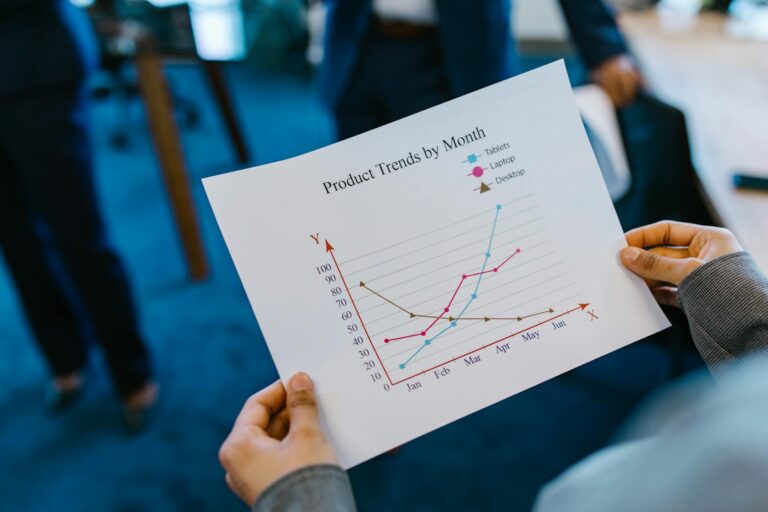
Economic forecasts shift during geopolitical tension because geopolitical events introduce uncertainty that traditional economic models cannot reliably...
Economic forecasts shift during geopolitical tension because geopolitical events introduce uncertainty that traditional economic models cannot reliably...

Global markets respond to leadership uncertainty with heightened volatility, sharp selloffs, and pronounced valuation compression.

Political risk plays a major role in financial markets because uncertainty about government actions, geopolitical conflicts, and policy changes directly...
International conflicts accelerate economic change by disrupting supply chains and commodity markets in ways that ripple through entire economies within...

Economic policy must align with global realities because the world economy is fundamentally fractured—different regions are growing at vastly different...

Political decisions fundamentally reshape the terms of international trade agreements because trade policy originates from government authority and...

Global stability requires long-term strategic thinking because geopolitical and economic risks are interconnected, complex, and evolving faster than most...

Economic systems don't respond uniformly to international conflict—they splinter along the lines of supply and strategic exposure.

Political leadership styles significantly influence how stock markets react in the short term, primarily because investors respond to perceived policy...
Global events reshape economic priorities by forcing governments and investors to reallocate resources toward immediate security, inflation management,...