How Energy Markets Respond to Threats Against Key Infrastructure

Energy markets respond to infrastructure threats through immediate price volatility, forward-looking risk premiums, and accelerated investment in...
Energy markets respond to infrastructure threats through immediate price volatility, forward-looking risk premiums, and accelerated investment in...

Political messaging directly influences economic behavior through two primary mechanisms: it shapes how voters perceive the economy, regardless of actual...

Strategic missteps at major corporations have triggered shockwaves across global markets, destroying trillions in shareholder wealth and triggering waves...

Markets react to fear far more intensely than rational analysis of fundamentals would suggest. When investors panic, stock prices plummet not because...

International disputes directly trigger global economic shifts through multiple channels: tariff escalation disrupts trade flows, geopolitical tensions...

Economic forecasting becomes difficult during political uncertainty because policymakers have not yet finalized or implemented key decisions, leaving...

Global stability fundamentally depends on predictable political behavior because investors, businesses, and foreign governments allocate capital and...

Military strength, measured by troop numbers, equipment inventories, and defense budgets, does not guarantee victory in warfare.

Political leadership directly affects global markets because elected officials and appointed policymakers control taxation, regulation, government...
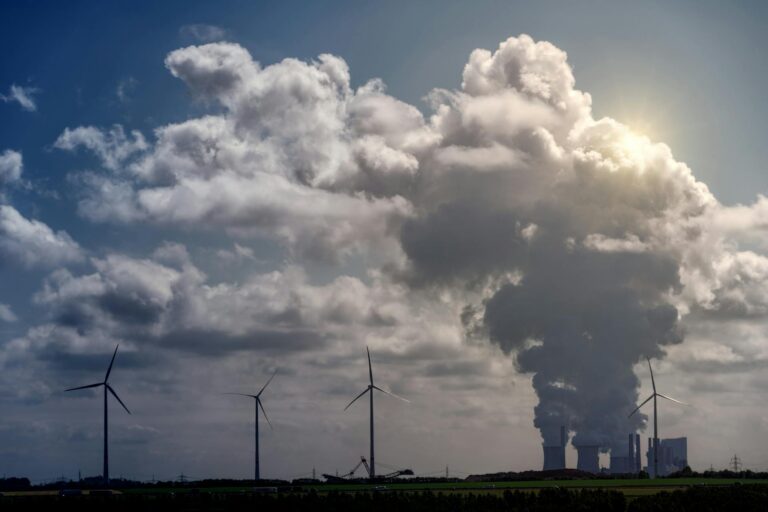
Energy dependency increases vulnerability during conflict because nations reliant on imported energy lack the ability to secure supply lines when...