Why Economic Planning Requires Awareness of Global Risks
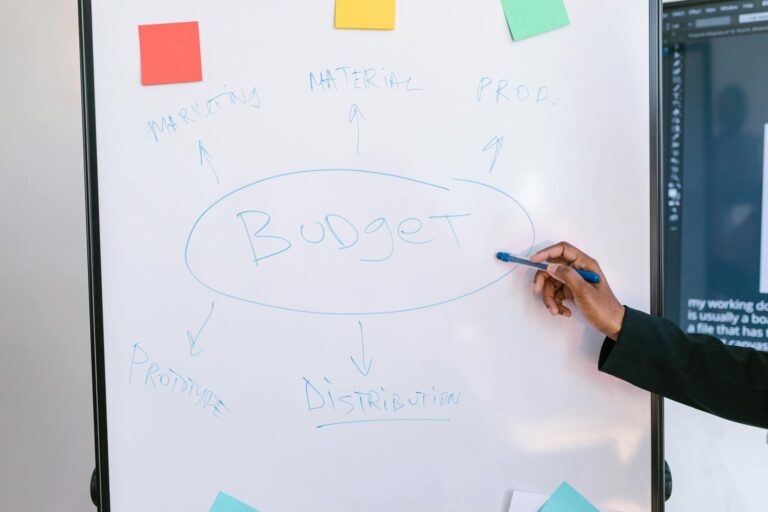
Economic planning that ignores global risks is like investing in a single stock without checking market fundamentals—you're exposed to blind spots that...
Economic planning that ignores global risks is like investing in a single stock without checking market fundamentals—you're exposed to blind spots that...

International events fundamentally reshape national economic growth, investment returns, and market valuations.

Global stability is essential for sustainable growth because economic expansion cannot occur in an environment of persistent uncertainty and conflict.

Political strategy directly shapes economic outcomes by determining fiscal spending, tax policy, tariff regimes, and regulatory frameworks that expand or...
Economic policies must adapt to changing global conditions because the economic landscape of 2026 is fundamentally different from even five years ago.
Political tensions disrupt global trade by restricting the free flow of goods across borders, driving up costs for businesses and investors while rewiring...

Political decisions have immediate financial consequences because markets respond in real time to policy changes that affect corporate profits, inflation,...
International conflicts directly drive inflation and cost of living through multiple transmission channels: energy price spikes, supply chain disruptions,...

Economic stability fundamentally depends on predictable leadership because businesses cannot effectively plan for the future when policy direction remains...

Political actions shape investor confidence in markets through direct mechanisms: when governments announce policy changes, impose tariffs, or shift...