Why War Decisions Can Trigger Chain Reactions Across Global Economies

War decisions trigger chain reactions across global economies because military conflict disrupts the physical infrastructure—ports, shipping lanes, energy...
War decisions trigger chain reactions across global economies because military conflict disrupts the physical infrastructure—ports, shipping lanes, energy...
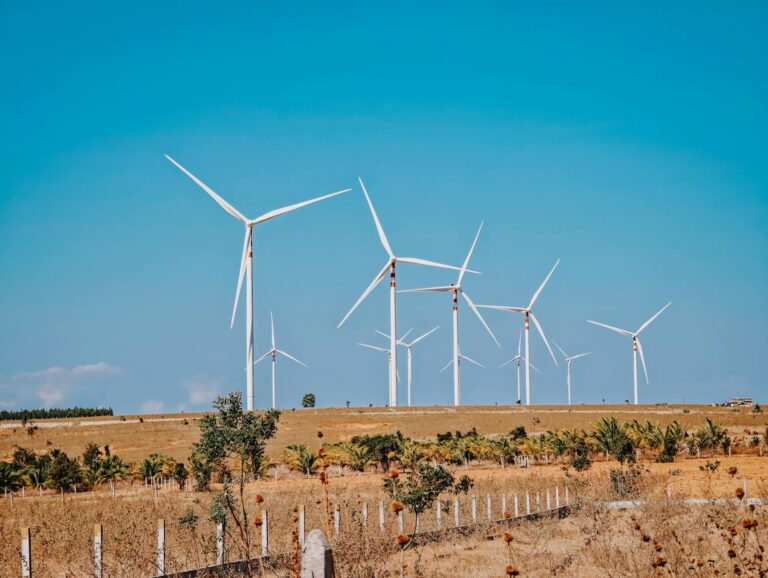
The world is transitioning from a unipolar, U.S.-dominated system toward a multipolar landscape where multiple regional powers compete for economic...

International conflicts affect your cost of living faster than almost any other economic force because they directly disrupt commodity supplies that flow...

When leaders ignore strategic warnings during conflict, the consequences are severe and measurable: military defeats, organizational collapse, massive...

Short-term political decisions—like trade war initiation, central bank rate cuts ahead of elections, or emergency stimulus spending—frequently create...

Military strategy and long-term planning diverge because organizational structures, promotion incentives, and budgeting cycles systematically reward...

When political decisions clash with economic reality, the economy invariably adjusts—often painfully.

Sanctions and policy changes can crater or stabilize global markets with little warning, as seen in March 2026 when a single Treasury action to stabilize...

Energy prices spike during international conflict because military action disrupts the physical infrastructure and supply routes that move oil, natural...
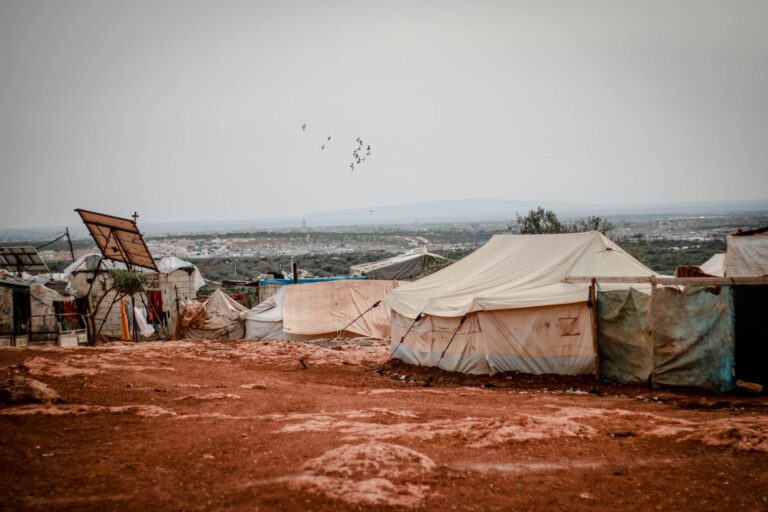
When war disrupts global oil supply chains, the immediate consequence is a dramatic surge in energy prices that ripples through every sector of the global...