Why War in One Region Can Affect Prices Across the Entire World
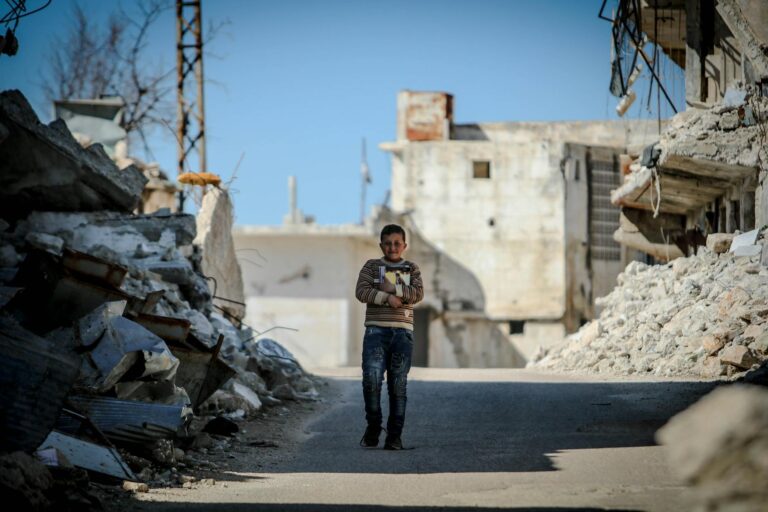
A regional conflict thousands of miles away can raise the price of gasoline at your local pump, increase your grocery bill, and ripple through global...
A regional conflict thousands of miles away can raise the price of gasoline at your local pump, increase your grocery bill, and ripple through global...
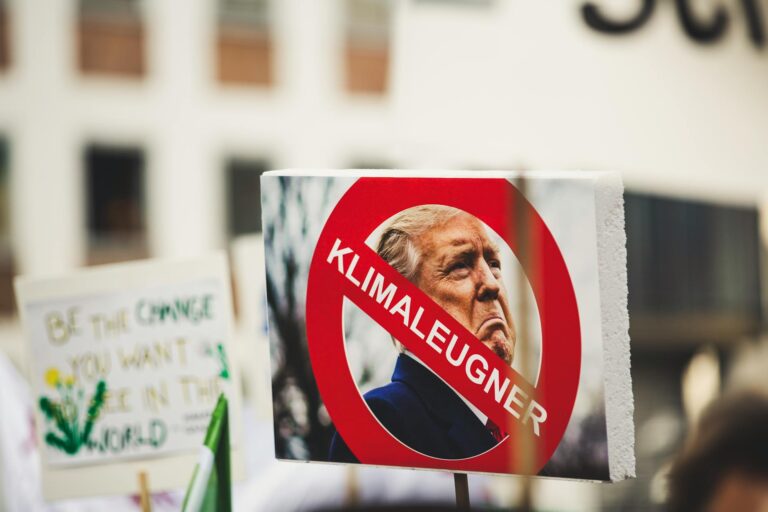
Political miscalculations drive global energy shortages primarily through disruptions to supply chains, sanctions regimes, and investment freezes that...
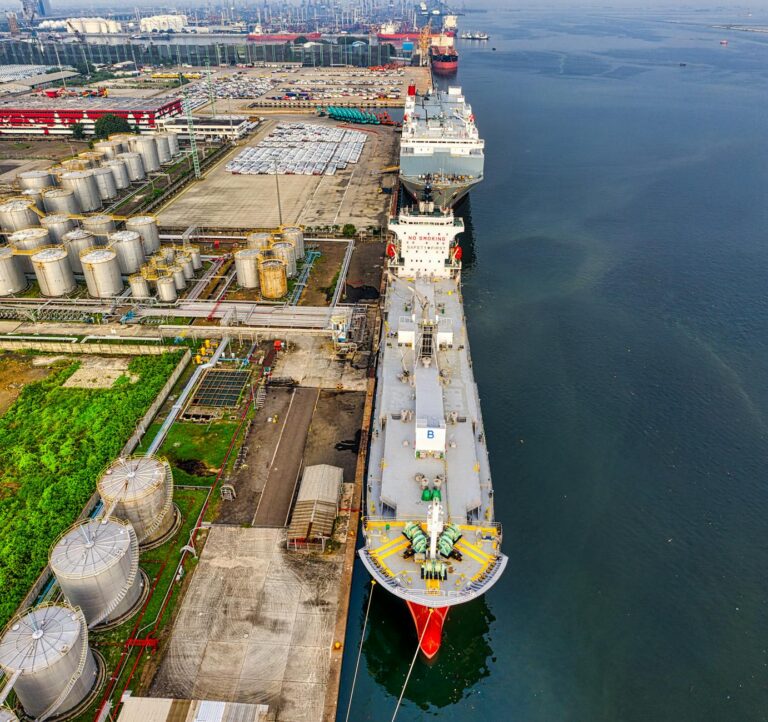
Oil supply routes matter because 70% of the world's crude oil must flow through just a handful of geographic chokepoints, and any disruption to these...
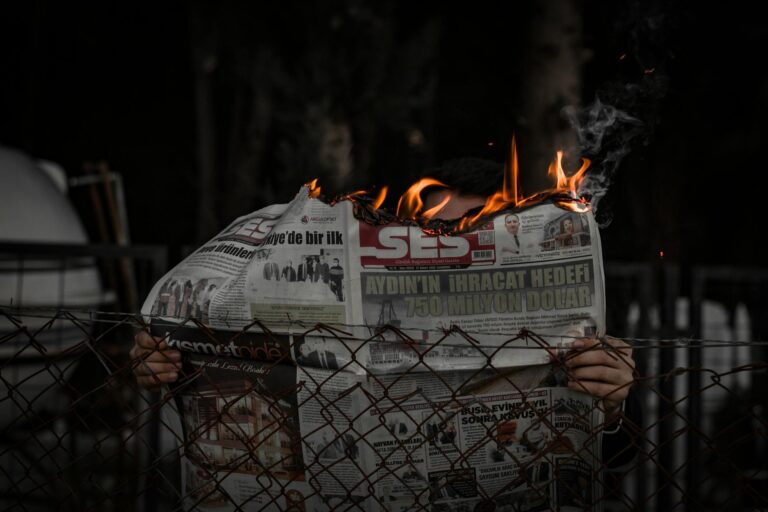
International conflicts disrupt energy infrastructure through direct military targeting of production facilities, transportation chokepoints, and supply...

When leaders make major policy decisions, the intended impact often tells only part of the story.

Global markets react instantly to political uncertainty because investors are pricing in the potential impact of policy changes on corporate earnings,...
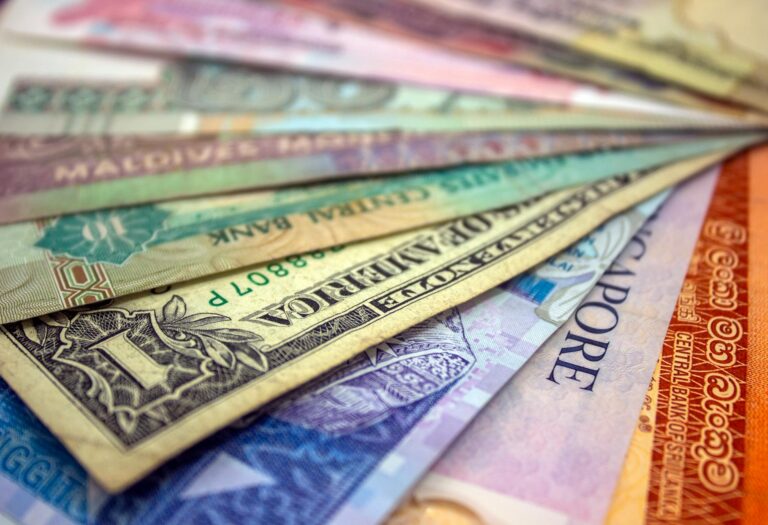
Economic policies designed to stabilize or stimulate growth frequently achieve the opposite during global crises—creating new problems that outweigh the...

Political strategy determines the outcome of long conflicts far more reliably than military strength alone.

Global conflicts reshape international relationships for decades because they break trust between nations, force realignment around security rather than...

Alliance breakdown doesn't happen overnight, and it doesn't affect all markets uniformly. Some sectors—defense contractors, agricultural exporters,...