Why Economic Consequences Often Outlast Military Conflicts

Economic consequences outlast military conflicts because the damage to productive capacity, institutions, and trust persists long after the fighting stops.
Economic consequences outlast military conflicts because the damage to productive capacity, institutions, and trust persists long after the fighting stops.

When an organization abandons strategic planning in favor of reactive decision-making, it faces a cascade of financial and operational consequences that...
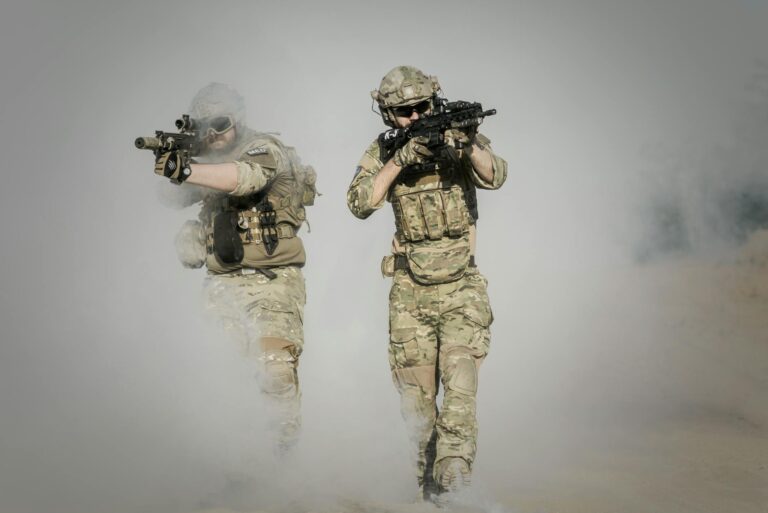
Military actions directly influence currency and trade markets through three primary mechanisms: disrupting the physical supply of critical commodities,...

International trust is hard to rebuild once broken because broken trust creates self-reinforcing cycles of caution and risk pricing that persist long...

Global instability directly dampens domestic financial conditions by raising borrowing costs, triggering stock market declines, and feeding inflation into...

Energy policy decisions impact inflation almost immediately because crude oil is a raw material that feeds directly into production and transportation...
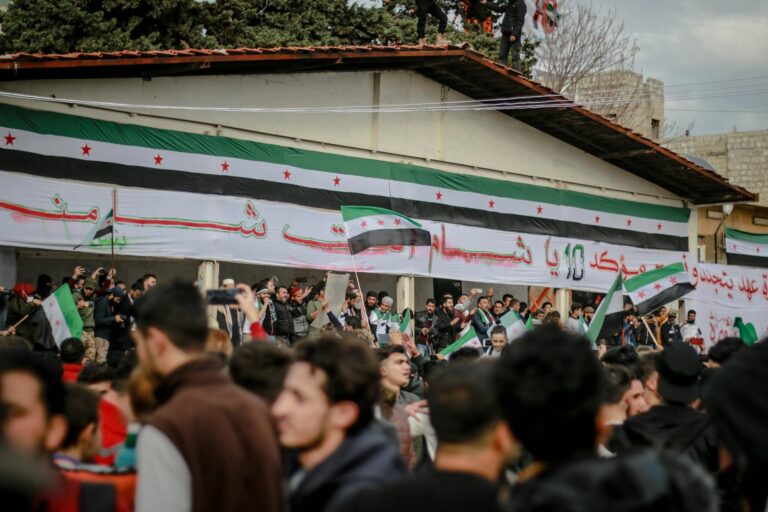
Political tensions escalate into economic consequences through a predictable chain reaction: geopolitical conflict disrupts trade flows, increases...

When countries prioritize military and economic power over negotiation, global markets lose the stability that rules-based systems provide.
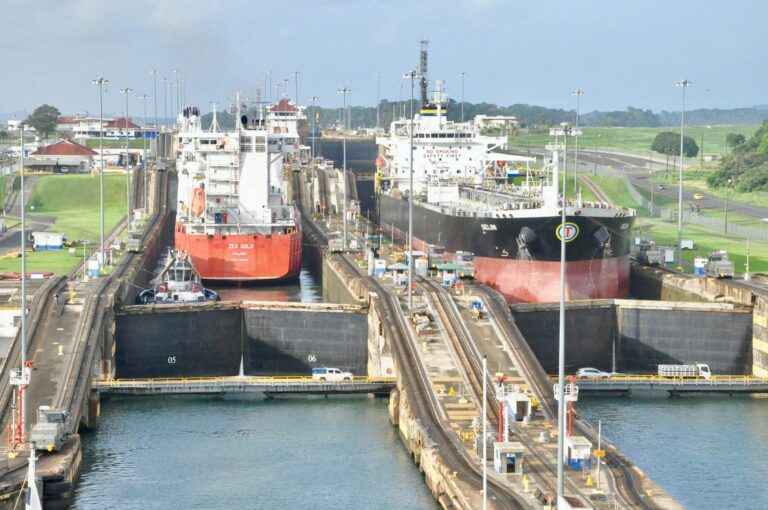
Global trade routes are critical during times of conflict because they are the physical arteries through which the world economy circulates.

Economic stability depends on global cooperation between countries because isolated economies face significantly greater risks from market volatility,...