
Tempering chocolate is worth the trouble because it transforms a simple ingredient into a product that maintains its quality, appeals to consumers, and commands premium pricing. While the process requires precision—carefully warming and cooling cocoa butter to specific temperatures—the payoff extends far beyond aesthetics. Tempered chocolate has a longer shelf life, resists the white coating that ruins product appearance, and delivers the physical properties consumers expect from quality confections.
For manufacturers and producers, this directly impacts profitability through reduced waste, lower return rates, and higher customer satisfaction. The financial logic is straightforward: untempered chocolate looks dull, breaks unevenly, and deteriorates faster at room temperature. A chocolate maker using untempered chocolate might face bloom issues—that unappetizing white surface residue—within weeks, forcing markdowns or disposal. A properly tempered chocolate bar, sealed and stored correctly, can maintain its appearance and texture for months, preserving the brand reputation and premium margins that justify shelf space in retail.
Table of Contents
- How Cocoa Butter Crystal Structure Affects Quality and Shelf Appeal
- The Physical Properties That Define Consumer Expectations
- Shelf Life Economics and Fat Migration Prevention
- Bloom Prevention and Brand Reputation Management
- The Time and Effort Versus Return on Quality
- Storage Standards and Quality Control Protocols
- Market Positioning and Consumer Expectations in Premium Categories
- Conclusion
How Cocoa Butter Crystal Structure Affects Quality and Shelf Appeal
At the molecular level, cocoa butter doesn’t behave like ordinary fat. It crystallizes into six distinct forms, labeled I through VI, each with different melting points and visual properties. Form V—the ideal crystal structure created through proper tempering—melts at 33 to 35 degrees Celsius, approximately 93 to 95 degrees Fahrenheit. This specific melting point is deliberately chosen because it sits just below human body temperature, allowing chocolate to melt smoothly on the tongue rather than in the hand or pocket. This is not trivial from a business perspective. A chocolate bar that melts in your pocket creates a poor customer experience and damages brand perception.
Form V crystallization is the reason premium chocolate brands maintain consumer loyalty despite higher prices. Untempered chocolate, by contrast, forms unstable crystal structures that melt at inconsistent temperatures and lack the glossy appearance that signals quality. When a retailer sees dull, unstable chocolate, it communicates poor manufacturing standards, even if the underlying cocoa quality is identical. Achieving Form V requires heating cocoa butter to around 45 degrees Celsius, then cooling it to approximately 27 degrees Celsius before reheating to 31 degrees Celsius for working. This precision is why professional chocolate makers use tempering machines—manual tempering introduces too much variability. The investment in equipment or outsourced tempering services pays for itself through reduced scrap rates and improved product consistency.
The Physical Properties That Define Consumer Expectations
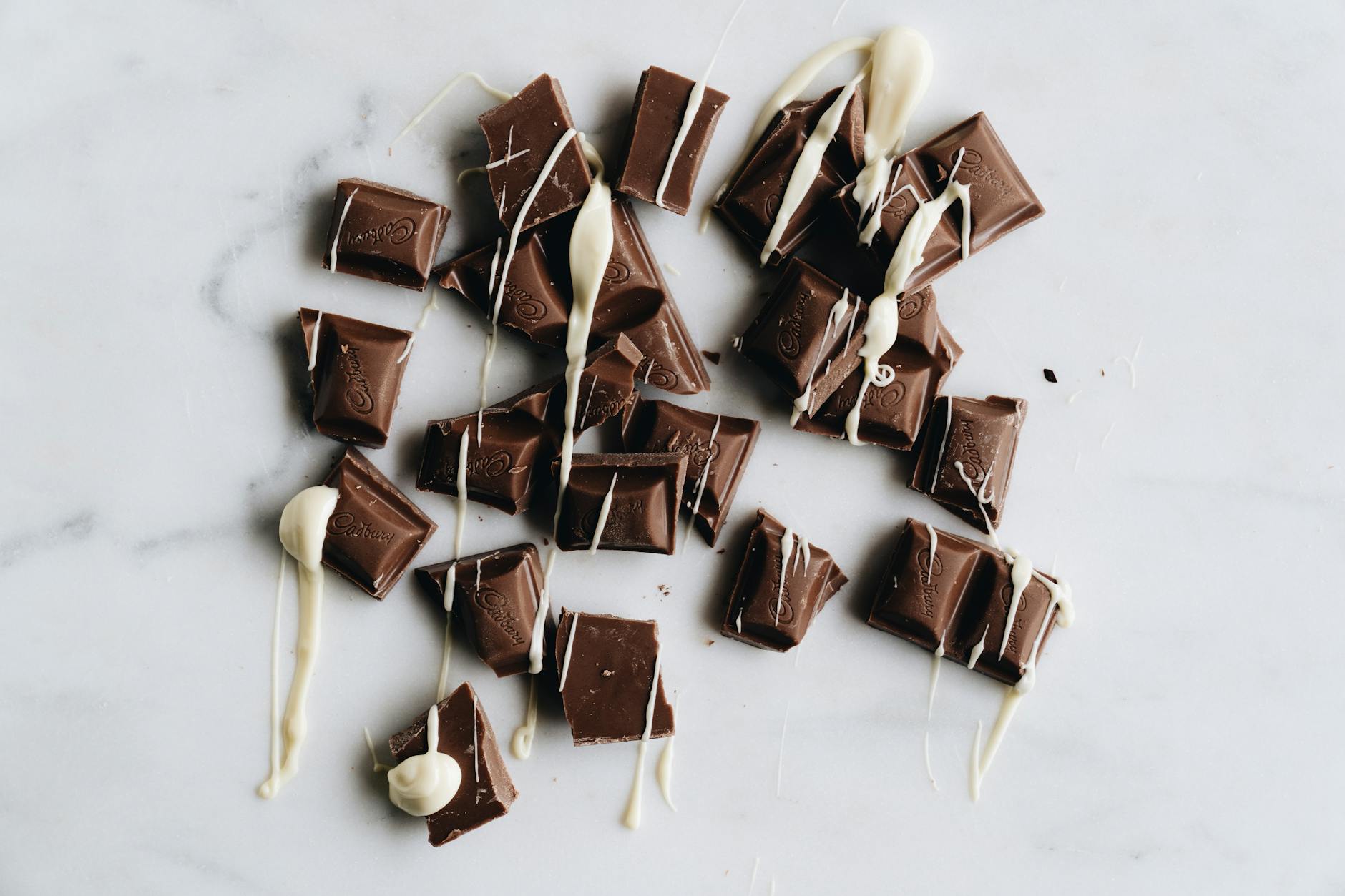
When you bite into properly tempered chocolate, you hear a clean snap. The bar breaks sharply, with a satisfying acoustic signature that consumers unconsciously recognize as quality. Untempered chocolate, by contrast, crumbles and bends without sound, delivering a mushy, inconsistent bite that triggers the psychological association with stale or cheap product. This difference in mouth feel is entirely due to crystal structure—Form V produces a hard, brittle bar, while unstable crystal formations create plasticity and weakness. The visual difference is equally significant. Tempered chocolate has a glossy, mirror-like finish that catches light and signals premium production. Untempered chocolate appears dull and flat, often with visible imperfections or that problematic white coating.
For retail products competing on shelf space, this visual difference can mean the distinction between capturing consumer attention and being overlooked. Professional chocolate makers understand that appearance is part of the product promise. A critical limitation of tempering, however, is its sensitivity to environmental conditions. Chocolate tempered under controlled conditions can lose its properties if exposed to temperature fluctuations or high humidity during storage or transport. This is why premium chocolate comes in protective packaging, and why ambient temperature matters so much during distribution. A supply chain failure—a warm truck or improperly climate-controlled warehouse—can undo weeks of careful production work. Manufacturers must account for these risks in their logistics and storage specifications.
Shelf Life Economics and Fat Migration Prevention
Properly tempered chocolate has a measurably longer shelf life than untempered chocolate. The stable crystal structure resists fat migration, the process by which oils gradually move to the surface, creating bloom and texture breakdown. Over time, untempered chocolate develops a grainy, disappointing texture as fats redistribute, essentially aging the product prematurely. Tempered chocolate, locked in Form V structure, maintains its original texture for significantly longer. This shelf life advantage translates directly to inventory management and supply chain efficiency. A chocolate producer with a six-month shelf life can maintain larger safety stocks, reduce the risk of stockouts, and negotiate better terms with retailers.
Conversely, a producer whose chocolate degrades after three months faces constant pressure to move inventory quickly, limiting their negotiating power and increasing waste from natural spoilage. Storage conditions amplify these advantages. Ideal storage for chocolate ranges from 55 to 60 degrees Fahrenheit at 50 to 55 percent humidity. Vacuum-sealed premium chocolate can extend shelf life up to five times longer than conventional packaging by eliminating oxidation and moisture exposure. For manufacturers producing specialty or artisanal chocolate, the ability to store vacuum-sealed at optimal conditions transforms the economics. A artisan chocolate maker can produce seasonal specialty items, vacuum-seal them, and sell them throughout the year without quality degradation, opening entirely new revenue streams.

Bloom Prevention and Brand Reputation Management
The white coating that appears on untempered chocolate—cocoa butter bloom—is fat migration made visible. As cocoa butter moves to the surface, it crystallizes in unstable forms, creating the visual impression of mold or contamination. Even though the chocolate is safe to eat, consumers perceive bloom as a sign of age, poor storage, or low quality. One bloom-covered chocolate bar can damage a brand’s reputation with that consumer, and negative word-of-mouth or reviews multiply that damage. Tempering prevents bloom by stabilizing the fat in the chocolate matrix. The Form V crystal structure locks cocoa butter in place, preventing the migration that creates bloom.
This is why luxury chocolate brands invest heavily in tempering precision—it is literally investing in visual quality and brand protection. A chocolate bar that looks pristine after six months on a shelf maintains the premium positioning that justifies the price. The economic impact extends to retail relationships. Retailers accept returns and markdowns for products with visible defects, and bloom-covered chocolate falls into that category. A distributor selling chocolate with visible bloom faces retailer pushback, reduced shelf time, and damaged relationships. Tempering is, in many ways, an investment in channel management and retail partnership durability.
The Time and Effort Versus Return on Quality
Tempering requires equipment investment, temperature monitoring, and precision execution. For small producers, outsourcing tempering to a commercial facility adds cost per unit. For larger producers, in-house tempering equipment represents significant capital expenditure and ongoing maintenance. The natural question is whether the investment justifies the return. The answer depends on positioning and market segment. For bulk commodity chocolate or industrial ingredients, tempering may offer marginal value.
For retail consumer products, premium pricing, or export markets with longer supply chains, tempering is non-negotiable. A chocolate bar selling for $2 versus $6 has vastly different quality expectations, and consumers in the premium segment are willing to pay explicitly for the visual appeal and eating experience that tempering delivers. The economic calculation is clear: premium positioning requires premium production standards. A significant limitation is that tempering only works if every other quality standard is maintained. If the cocoa butter is low quality to begin with, if the chocolate is exposed to temperature swings during storage, or if packaging is inadequate, tempering cannot compensate. This is why tempering is part of a broader quality management system. It is necessary but not sufficient.
Storage Standards and Quality Control Protocols
Optimal storage conditions for tempered chocolate are narrow and specific: 55 to 60 degrees Fahrenheit, 50 to 55 percent humidity, and protection from light. These specifications are not optional suggestions—they are the operating parameters within which tempered chocolate maintains its Form V structure and visual qualities. Any deviation compounds over time, eventually manifesting as bloom, hardness changes, or flavor degradation.
For chocolate producers, these storage requirements influence facility design, equipment investment, and supply chain complexity. A chocolate manufacturer must maintain climate-controlled warehouses, invest in humidity monitoring systems, and specify precise handling protocols for distributors. This infrastructure cost is built into the product’s economics. A brand selling chocolate that requires premium storage conditions must have supply chain partners capable of maintaining those conditions, or the investment in tempering is wasted.
Market Positioning and Consumer Expectations in Premium Categories
Tempering has become a market signal. Consumers in developed markets increasingly expect premium chocolate to have visual appeal, a satisfying snap, and the ability to be stored at room temperature without visible degradation. Brands that fail to meet these expectations lose market share to competitors that do, even if the underlying cocoa quality is comparable.
Investors in chocolate manufacturers should view tempering not as an optional nice-to-have but as a competitive requirement in premium segments. The market for premium chocolate has grown consistently as consumer income and quality awareness increase globally. This growth depends partly on manufacturers meeting quality expectations, which in turn depends on proper tempering and storage. As emerging markets develop, demand for premium confections will increase, and brands that have invested in world-class tempering capabilities will capture that market growth.
Conclusion
Tempering chocolate is worth the trouble because it is the difference between a product that looks and tastes premium and a product that degrades visibly on shelves. The crystal science is clear: Form V cocoa butter structure delivers the melting point, appearance, and stability that consumers expect from quality chocolate. The economics are equally clear: properly tempered chocolate commands higher prices, has longer shelf life, reduces waste from bloom and spoilage, and protects brand reputation.
For investors evaluating chocolate manufacturers or retailers, the presence of proper tempering capability and infrastructure is a marker of quality focus and operational sophistication. Brands that invest in tempering are implicitly investing in consumer satisfaction, supply chain reliability, and premium positioning. These are the attributes that sustain profitability in competitive markets.