
A microplane belongs in every kitchen because it solves multiple food preparation problems that traditional graters and zesting tools simply cannot handle as efficiently or effectively. Whether you’re working with citrus, nutmeg, hard cheese, or chocolate, a microplane delivers consistent, fine results that enhance both the texture and presentation of your cooking. Unlike box graters that often shred unevenly or require significant hand pressure, a microplane with its razor-sharp cylindrical blade removes exactly what you need with minimal effort—a particularly valuable quality when you’re grating something as delicate as lemon zest or as hard as aged Parmesan.
The tool’s efficiency extends beyond just its cutting performance. When Julia Child zested a lemon on television in the 1960s, she used a channel knife and considerable patience; today’s home cooks can accomplish the same task in seconds with a microplane, capturing aromatic oils at their peak rather than losing them through extended prep time. This speed matters not just for convenience but for ingredient quality—fewer seconds of contact with the blade means fresher flavors and better nutrient retention.
Table of Contents
- What Makes a Microplane Different from Traditional Kitchen Graters?
- Mastering the Technique and Avoiding Common Pitfalls
- Culinary Applications Where a Microplane Becomes Indispensable
- The Choice Between Microplane Models and Practical Purchasing Considerations
- Maintenance, Safety, and Long-Term Care of Your Microplane
- The Microplane in Context of Other Specialized Kitchen Tools
- The Microplane’s Continued Evolution and Kitchen Integration
- Conclusion
- Frequently Asked Questions
What Makes a Microplane Different from Traditional Kitchen Graters?
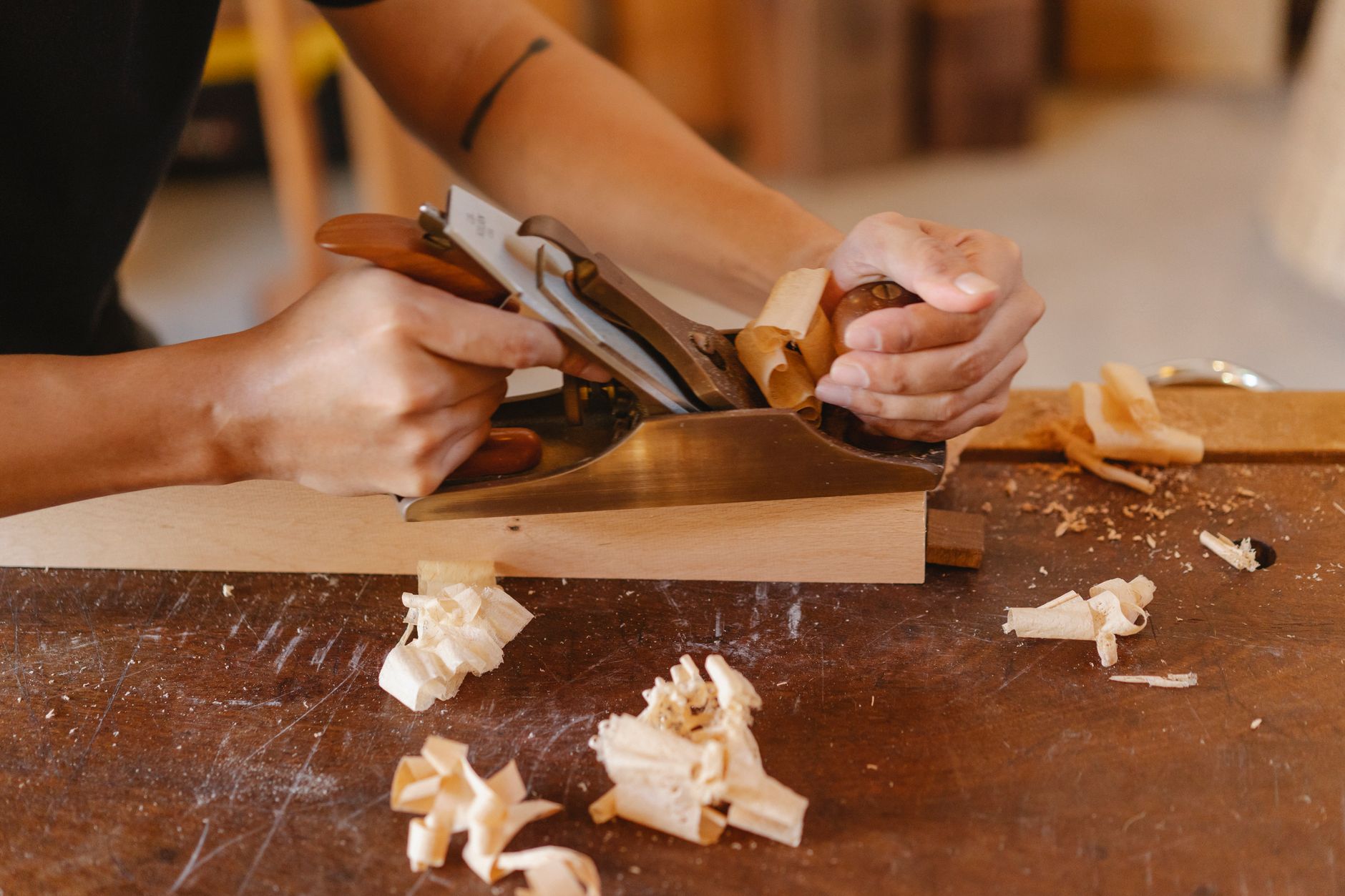
A microplane operates on completely different technology than a box grater or rotary grater. Its rectangular handle holds a long, cylindrical barrel with rows of tiny, razor-sharp teeth arranged in a pattern borrowed directly from woodworking planes—the tool from which it takes its name. When you drag food across this surface, you’re not punching or crushing it into shreds; you’re slicing with precision. This distinction matters tremendously for items like Parmesan cheese or nutmeg, where you want thin, delicate pieces that will dissolve or integrate quickly into your dish rather than chunky bits that sit on top.
The practical difference becomes obvious the moment you compare the two tools side-by-side. Using a box grater on hard cheese often requires pressing firmly and repeatedly, creating shreds of inconsistent thickness and generating friction that can warm the cheese—something that matters when you’re trying to preserve the cheese’s flavor. A microplane accomplishes the same task with light, casual strokes, producing perfectly uniform, paper-thin pieces. The tool excels particularly with items that are either very hard (aged cheeses, nutmeg, chocolate) or very delicate (citrus zest, ginger, coconut), where a box grater’s wider perforations tend to clog or tear the ingredient rather than cut it cleanly.
Mastering the Technique and Avoiding Common Pitfalls
While a microplane is easier to use than most graters, there are still technique considerations that determine whether you’ll get excellent results or merely acceptable ones. The tool works best when you use light pressure and let the blade do the work—this is where many home cooks make their first mistake. Pressing hard actually slows you down and can cause the tool to skip across the ingredient’s surface rather than cutting consistently. A gentle touch and a steady, slow stroke will always outperform aggressive scraping.
One significant limitation of microplanes is their ergonomic challenge for people with hand strength issues or arthritis. The narrow handle doesn’t provide as much gripping surface as a traditional box grater, and the pressing motion required for very hard items like whole nutmeg can strain your hand during extended use. Additionally, microplanes are notoriously difficult to clean. The tiny teeth catch and hold particles, and the tool often requires a dedicated brush to remove trapped food bits—failure to clean immediately after use can lead to dried-on residue that becomes almost impossible to remove. Unlike a box grater, which you can simply rinse under water, a microplane demands real attention.
Culinary Applications Where a Microplane Becomes Indispensable
The microplane earned its place in professional kitchens first, then home kitchens, because of its exceptional performance on specific tasks that appear repeatedly in cooking. Zesting citrus is the most famous application—the tool removes just the colored outer layer of the peel without the bitter white pith beneath, something that requires finesse with other tools. A single lemon yields 2-3 teaspoons of vibrant zest with a microplane versus the crushing, wasteful experience of other graters. Beyond citrus, the tool transforms how you work with hard spices and aromatics.
Freshly grated nutmeg tastes almost like a different spice compared to pre-ground nutmeg that has been sitting in your pantry for six months. Whole nutmegs can be grated in seconds on a microplane, delivering an intensity of flavor that elevates cream sauces, béchamel, eggnog, or even scrambled eggs. Similarly, fresh ginger grated on a microplane produces a paste-like consistency with released oils that bring far more heat and flavor than pre-minced ginger or ginger powder. The microplane also excels at finishing dishes—a whisper of dark chocolate across a dessert plate or a light dusting of Parmesan over pasta looks far more refined when the microplane created those ultra-fine pieces.

The Choice Between Microplane Models and Practical Purchasing Considerations
Multiple microplane variants exist, and understanding the differences prevents buyer’s remorse. The original design—a thin, elongated rectangular channel—remains popular and effective, particularly for zesting and fine grating. Wider, shovel-like versions offer more surface area and handle larger volumes faster, making them better for tasks like grating large quantities of cheese for a baking project. Some models feature a coarser side for different textures, though many experienced cooks find a single, fine microplane does most of their work more effectively.
Price varies considerably, from specialty kitchen tools under $10 to premium European imports costing $30 or more. The reality is that a microplane is one area where the inexpensive options work nearly as well as expensive ones—the quality difference is minimal because the basic design is elegant and proven. What matters more is the handle’s comfort for your hand size and your willingness to commit to proper cleaning. A $12 microplane that sits unused because it’s awkward to grip has worse value than a $25 one that makes you reach for it constantly. Dishwasher safety varies by model, but hand washing immediately after use is genuinely the best approach for longevity—microplanes do not respond well to abrasive dishwasher scrubbing.
Maintenance, Safety, and Long-Term Care of Your Microplane
The razor-sharp blade that makes a microplane effective in the kitchen is the exact same property that makes it a genuine safety hazard. Unlike a box grater, where you might brush your knuckle against a relatively dull surface, a microplane’s teeth can draw blood with minimal contact. Many users find that using a knuckle guard or cutting board clamp to stabilize whatever they’re grating reduces both hand fatigue and injury risk, particularly for small items or when working with stubborn ingredients. Some manufacturers now offer microplanes with guard covers or integrated safety features, though these can also add bulk to the tool.
The blade dulls gradually with use, particularly if you grate very hard items frequently or fail to hand-wash and dry the tool immediately. A dull microplane becomes frustrating—it requires more pressure to work, which generates heat and moisture that can warm delicate ingredients like cheese or chocolate. Unlike traditional graters where you might replace a single worn surface, a dull microplane typically means replacing the entire tool. This reinforces why proper care matters: a microplane stored clean and dry, never in a utensil drawer where it’s bashed by other tools, can last several years. One stored carelessly deteriorates far faster.

The Microplane in Context of Other Specialized Kitchen Tools
The microplane doesn’t eliminate the need for other kitchen tools so much as it specializes them toward better outcomes. A box grater still handles certain tasks better—shredding vegetables for fritters or cabbage for slaw benefits from the box grater’s larger shreds and capacity. A rotary grater works well for continuous cheese production when you’re making multiple servings. What the microplane changed is that serious cooks now prioritize it for the tasks where its precision and ease generate noticeably better results.
Many kitchens end up with both tools, using each for its strengths rather than forcing one tool to handle every situation. The rise of microplanes also shifted how recipes approach flavoring. Dishes that once called for “1/4 teaspoon ground nutmeg” now often benefit from “freshly grated nutmeg to taste” when cooks discovered how much more vibrant fresh spice tastes. This isn’t just technique—it’s a real change in how people cook and eat, driven by a single tool that made the better option easy rather than difficult.
The Microplane’s Continued Evolution and Kitchen Integration
Modern kitchen innovation hasn’t left the microplane behind, even as it’s explored new designs and materials. Manufacturers now produce versions with ceramic teeth that allegedly dull more slowly, handles designed for better ergonomics, and integrated catch bowls that capture grated items and reduce cleanup. Some professional-grade versions feature slightly different blade geometries optimized for specific tasks.
The basic concept, however—the repurposing of woodworking plane technology for culinary use—remains unchanged since Microplane’s kitchen debut in the 1990s. As cooking becomes increasingly home-focused and people invest time in understanding ingredient quality, tools like the microplane gain importance. The ability to fresh-grate your spices, zest your citrus immediately before cooking, and finish dishes with precision toppings elevates home cooking in ways that feel small until you’ve experienced the difference. The microplane exemplifies how the right specialized tool, used well, changes not just the ease of cooking but the actual outcomes on your plate.
Conclusion
A microplane belongs in every kitchen because it solves real problems that other tools cannot address as effectively—zesting, fine grating, and spice preparation all benefit from its precision and ease of use. The tool’s relatively low cost, durability, and impact on flavor and presentation make it an investment that returns value repeatedly. Whether you’re finishing a simple pasta dish with fresh nutmeg and Parmesan or extracting the essential oils from a lemon to brighten a sauce, the microplane delivers results that feel noticeably better than alternatives.
If you’ve been cooking without one, adding a microplane to your kitchen doesn’t require learning new techniques or rethinking your approach to recipes. It simply makes certain tasks easier and the results better. The investment is modest, the learning curve minimal, and the rewards immediate. Your next meal that benefits from a delicate dusting of fresh cheese or a bright hit of citrus zest will make the purchase decision seem obvious in retrospect.
Frequently Asked Questions
Can I use a microplane in a dishwasher?
While some models claim dishwasher safety, hand washing and drying immediately after use significantly extends the tool’s lifespan. The microplane’s delicate teeth don’t respond well to abrasive dishwasher environments.
What’s the difference between a microplane and a grater?
A microplane uses razor-sharp cylindrical teeth similar to a woodworking plane, while a box grater uses larger perforated holes. The microplane produces finer, more consistent pieces with less force required.
Can you grate hard cheeses on a microplane?
Yes, and the microplane excels at this task. It produces ultra-fine pieces of aged Parmesan or Pecorino Romano without warming the cheese through excessive friction.
Is a microplane safe to use?
The blade is very sharp and requires care to avoid knuckle contact. Many users prefer using a knuckle guard or stabilizing the ingredient on a cutting board with a clamp to prevent injury.
How often do microplanes need replacing?
A properly maintained microplane used for typical home cooking can last several years. The blade dulls gradually with frequent use of very hard items, at which point the tool should be replaced.
Can a microplane zest citrus without removing the white pith?
Yes, this is one of its primary advantages. The microplane’s shallow cut removes only the colored outer layer where the aromatic oils concentrate, leaving the bitter pith behind.