
Browning butter transforms the flavor profile of cookies by developing complex, nutty notes that go far beyond what regular melted butter can offer. When you heat butter to the point where the milk solids caramelize, you create hundreds of flavor compounds through the Maillard reaction—the same chemical process that gives a grilled steak its depth and a toasted almond its complexity. A simple chocolate chip cookie made with brown butter versus conventional butter tells the story immediately: the brown butter version delivers a richer, more sophisticated taste that many bakers describe as almost toffee-like, while the regular butter version tastes flatter and one-dimensional. The depth comes from those milk solids that most recipes traditionally discard or ignore.
Butter is roughly 80% butterfat and 15-20% water and milk solids, and those solids are where the magic happens. As they brown, they release compounds that add umami, nuttiness, and a subtle caramelized sweetness. This isn’t just about making cookies taste better—it’s about understanding how a fundamental ingredient changes under heat and what that change means for your final product. Many home bakers don’t realize they’re leaving flavor on the table by skipping this step. The technique requires only a few minutes of attention and no special equipment, yet it elevates even the simplest cookie recipe into something that tastes like it came from a professional bakery.
Table of Contents
- What Happens When You Brown Butter and Why It Changes Cookie Flavor?
- The Technical Challenge of Browning Butter: Timing, Temperature, and Common Pitfalls
- Brown Butter in Different Cookie Types: Where It Shines and Where It’s Optional
- The Practical Process: How to Brown Butter Without Burning It
- Understanding the Maillard Reaction and Recognizing Flavor Degradation
- Brown Butter in Unexpected Cookie Applications
- The Broader Impact of Brown Butter on Cookie Culture and Modern Baking
- Conclusion
- Frequently Asked Questions
What Happens When You Brown Butter and Why It Changes Cookie Flavor?
Browning butter is a controlled process of heating butter to around 350°F (175°C), which causes the water to evaporate and the milk solids to separate and toast. During this process, the milk proteins and lactose undergo the Maillard reaction, creating new compounds with names like maltol, furanic compounds, and various aldehydes—all of which contribute rich, savory, and sweet notes that weren’t present before. Think of it like the difference between raw and roasted coffee beans; the roasting process unlocks complexity that exists nowhere else. In cookies specifically, brown butter amplifies the richness without requiring you to add more fat or change the ratio of ingredients.
A brown butter snickerdoodle, for example, doesn’t need extra vanilla or extra sugar to taste more interesting—the butter itself provides that complexity. The nuttiness becomes a main character rather than a background player, and it pairs exceptionally well with warm spices like cinnamon, cardamom, and nutmeg. Toffee and butterscotch notes emerge naturally, which is why brown butter works so effectively in brown sugar cookies or shortbread. The chemical transformation is measurable and consistent. When you brown butter multiple times under the same conditions, you get remarkably similar flavor results, which is why professional pastry chefs consider it a fundamental technique rather than a bonus flavor hack.

The Technical Challenge of Browning Butter: Timing, Temperature, and Common Pitfalls
The main limitation of brown butter is that it requires active attention and timing precision that many home bakers underestimate. If you leave butter on the heat just a moment too long, the milk solids go from golden brown to burnt, turning bitter and acrid—a flavor defect that can’t be fixed. This is particularly tricky because browning happens quickly in the final stages; you might have a beautiful amber color at 200°C, and by the time you pour it into your mixing bowl, it’s crossed into unpleasant burnt territory. Another downside is that cooled brown butter separates slightly differently than clarified butter, and it doesn’t always incorporate into cookie dough as smoothly as melted butter would.
If you’re using a creaming method (butter and sugar beaten together), you need to let the brown butter cool completely first, or it will partially cook the eggs and create an uneven mixture. This adds extra time to the recipe—you can’t just make brown butter and jump straight into baking like you might with regular melted butter. Storage also presents a minor challenge. Brown butter develops a deeper, richer flavor that can actually degrade if stored at room temperature for more than a day or two. Refrigeration helps preserve it, but then you have to plan ahead and soften it before using it in recipes that require a specific consistency.
Brown Butter in Different Cookie Types: Where It Shines and Where It’s Optional
Brown butter produces different results depending on the cookie type. In butter-forward cookies—like shortbread, Scottish shortbread, or butter cookies—brown butter is transformative because there’s nothing else to hide behind. The butter is the star, and browning it deepens that star quality dramatically. A traditional Beurre Noisette shortbread (the French name literally means “hazelnut butter”) uses brown butter as a defining characteristic, and the result is a cookie with an almost hazelnut-tasting warmth. In heavily flavored cookies, like chocolate chip cookies with espresso powder or oatmeal raisin cookies, brown butter enhances rather than dominates.
It creates a fuller backdrop that the other flavors play against. An oatmeal raisin cookie made with brown butter gains a nuttiness that complements the toasted notes in the oatmeal itself. However, in a chocolate cookie with intense cocoa powder, brown butter is optional—some bakers feel the chocolate is prominent enough that the butter’s nuance gets lost. Sugar cookies sit in the middle. A classic sugar cookie with brown butter becomes something different from the original recipe—more sophisticated, less purely sweet. This is an advantage if you want a more complex cookie, but a limitation if you’re trying to replicate a specific recipe’s original flavor.
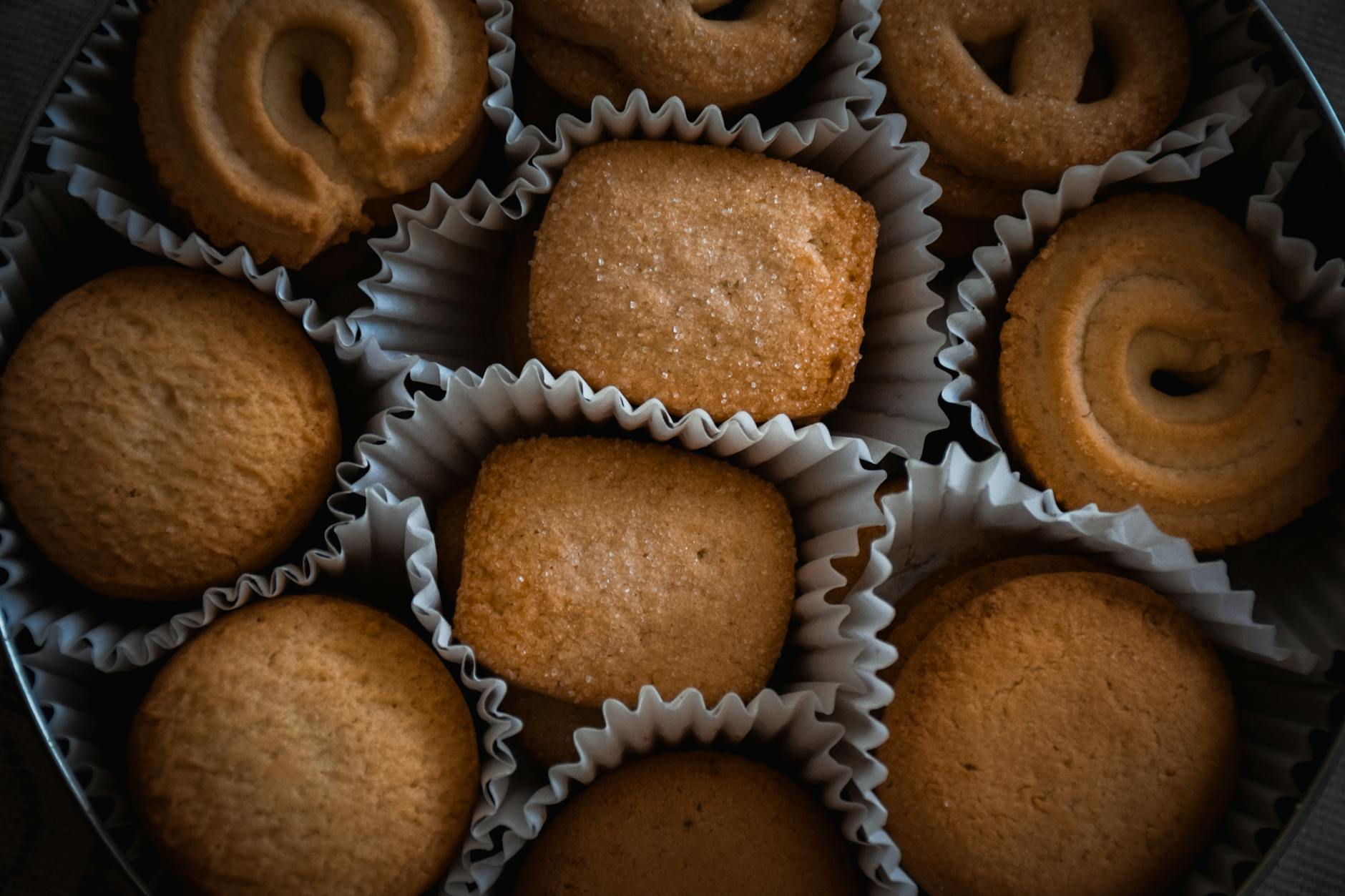
The Practical Process: How to Brown Butter Without Burning It
The straightforward method starts by cutting butter into small cubes to increase surface area and heat distribution. Place the butter in a light-colored saucepan (light color is crucial—you need to see the color change clearly) over medium heat and let it melt. Once fully melted, stop stirring and just watch as the milk solids separate and sink to the bottom. They’ll go from white to tan to light brown to dark brown. This typically takes 5-10 minutes depending on heat intensity.
The window between perfect brown and burnt is usually about 60 seconds once the solids start darkening, which is why many bakers use a timer and smell the butter (a strong nutty aroma indicates perfect browning; a burnt smell means you’ve gone too far). Once you achieve that golden-brown color, immediately pour the entire butter—solids and all—into a bowl and let it cool. Don’t skim off the solids or strain them out unless your recipe specifically requires clarified brown butter; those solids are where much of the flavor lives. The trade-off to consider is that this method takes longer and requires more attention than simply melting butter. For a batch of cookies, the extra five minutes is negligible, but for someone baking under time pressure, it’s worth knowing upfront.
Understanding the Maillard Reaction and Recognizing Flavor Degradation
The Maillard reaction—the same browning process that creates the crust on bread or the sear on a steak—is complex and sensitive. It requires specific temperature ranges, and the wrong temperature produces off-flavors instead of desirable ones. Heating butter below 160°C produces very little browning and minimal flavor development. Heating it above 180°C for too long can push past the nutty stage into burnt, bitter compounds that ruin cookies. The warning here is that browning times vary significantly based on butter moisture content, pan size, heat intensity, and even altitude.
Clarified butter (where water and milk solids have been removed) browns differently than whole butter. If you’re using European-style butter with higher fat content, the browning might happen slightly faster. These variables mean you can’t simply follow a recipe that says “brown butter for 8 minutes” without adjusting based on your own heat source. Additionally, brown butter doesn’t stay stable forever. The oxidation process that creates the desirable flavor compounds also makes the butter vulnerable to rancidity if exposed to light and heat for extended periods. Keeping brown butter in a cool, dark place extends its shelf life, but using it within a few days of browning is ideal.

Brown Butter in Unexpected Cookie Applications
Brown butter works beautifully in peanut butter cookies, where its nuttiness reinforces rather than competes with the peanut flavor. A brown butter peanut butter cookie has a deeper, almost earthy quality that makes it feel less one-note than the standard version.
Similarly, brown butter in lemon cookies adds a sophisticated richness that prevents the lemon from tasting thin or overly tart. One interesting application is in biscotti—the twice-baked Italian almond cookie. Because biscotti already undergo high-temperature baking twice, and many recipes include nuts, the addition of brown butter creates a multi-layered nuttiness that tastes deliberate and intentional rather than accidental.
The Broader Impact of Brown Butter on Cookie Culture and Modern Baking
Brown butter has moved from a French pastry technique into mainstream American home baking over the past decade, largely due to professional bakers sharing the technique and more recipes featuring it prominently. This shift reflects a broader trend toward understanding ingredients at a deeper level—recognizing that ingredients aren’t passive components but active flavor contributors that change based on how you treat them.
For anyone serious about baking, learning to brown butter effectively opens the door to understanding other browning techniques like caramelizing sugar or toasting spices. It’s part of a continuum of flavor-development methods that separate home cooking from home baking mastery.
Conclusion
Browning butter adds depth to cookies by creating new flavor compounds through controlled heating, resulting in a nutty, slightly caramelized quality that’s impossible to achieve with standard melted butter. The technique requires attention to timing and temperature but rewards that attention with measurable flavor improvement across most cookie varieties—from delicate shortbread to robust chocolate chip cookies.
The key takeaway for any baker is that browning butter is simple enough for everyday baking but sophisticated enough to notice a real difference. It’s worth learning correctly, worth understanding the pitfalls, and worth using as a fundamental technique rather than a one-time experiment. Once you’ve tasted a brown butter cookie made properly, returning to regular butter feels like accepting a lesser version of something you’ve learned to appreciate.
Frequently Asked Questions
Can I make brown butter ahead of time?
Brown butter can be made 2-3 days in advance and stored in an airtight container in the refrigerator. Let it soften to room temperature before using in recipes that require creaming. For best results, use it within a few days to avoid oxidation and rancidity.
What if my brown butter burns?
Once brown butter crosses into burnt, the bitter compounds can’t be removed—throw it out and start over. The difference between perfect brown and burnt happens in seconds, so stay focused and pour immediately once you see the golden-brown color.
Can I use brown butter in all cookies?
Brown butter works well in most cookies, but it’s most impactful in butter-forward recipes like shortbread or sugar cookies. In heavily spiced or chocolate-heavy cookies, its contribution is present but less noticeable.
Is brown butter the same as clarified butter?
No. Clarified butter has the milk solids removed entirely, while brown butter includes the browned milk solids. The solids are what give brown butter its distinctive flavor, so they should remain in the recipe unless specifically instructed to remove them.
Do I need special equipment to brown butter?
No. A small saucepan and a light-colored surface (to see color change) are sufficient. Some bakers use a thermometer to monitor temperature, but it’s not required if you’re watching carefully.
How does brown butter affect cookie texture?
Brown butter doesn’t significantly change cookie texture if used in the same quantity as regular butter. The moisture content is similar, so spread and baking time remain largely the same—the primary difference is flavor.