
Houseplants suffer from cold drafts indoors because they originate from warm climates where temperatures remain relatively stable year-round, and sudden drops in temperature trigger physiological stress that damages leaf tissues and disrupts nutrient transport. When a tropical plant like a Monstera or Philodendron is exposed to a cold draft from an air conditioning vent or a poorly sealed window, the plant’s cellular processes slow dramatically, the roots struggle to absorb water, and the leaves often show browning or wilting within days. Even plants sitting three feet away from a draft source can experience temperature fluctuations of 10 to 15 degrees Fahrenheit, which is enough to cause visible damage.
Indoor houseplants are particularly vulnerable because they’ve adapted to controlled environments—your home—and have lost the resilience that outdoor plants maintain. A plant that thrives at 70 degrees will experience shock when exposed to 55-degree air from an active air conditioning vent, especially if the exposure is sudden or repeated. The problem intensifies in spring and fall when heating and cooling systems cycle on and off, creating multiple micro-temperature swings throughout the day.
Table of Contents
- How Do Indoor Temperature Swings Affect Houseplant Health?
- Where Do Cold Drafts Originate In Your Home?
- Why Does Watering Become Problematic When Plants Are In Drafts?
- What Are The Best Strategies For Protecting Plants From Cold Drafts?
- Can Cold Stress Cause Permanent Damage To Houseplants?
- How Does Humidity Amplify The Effects Of Cold Drafts?
- What Should You Expect When Moving Plants Away From Drafts?
- Conclusion
How Do Indoor Temperature Swings Affect Houseplant Health?
Temperature fluctuations damage houseplants at the cellular level by disrupting enzyme activity and metabolic processes that keep plants alive. When a plant’s leaves are suddenly exposed to cold air, the cell membranes become rigid and less permeable, preventing water and nutrients from moving through the plant tissue efficiently. For a plant accustomed to a steady 72-degree environment, a 15-degree drop in 10 minutes can be equivalent to a human jumping into a frozen lake—the shock is immediate and damaging.
Different plants have different cold-tolerance thresholds, but most common houseplants suffer noticeably when temperatures drop below 60 degrees. Tropical plants like Calatheas, Anthurium, and Begonias are particularly sensitive, showing leaf discoloration within 24 to 48 hours of cold exposure. More hardy plants like Snake Plants or Pothos may tolerate brief exposure to 50-degree air, but repeated drafts will eventually weaken them, making them more susceptible to pests and disease. The damage also compounds—a weakened plant loses its ability to regulate internal moisture, and when it’s then placed back in normal conditions, it struggles to recover.
Where Do Cold Drafts Originate In Your Home?
The most obvious sources of indoor cold drafts are air conditioning vents, window sills during winter, and exterior doors, but many homeowners overlook secondary sources that create equally damaging conditions. Ceiling fans positioned above shelves of plants can push cooler air downward, sliding glass doors allow drafts to seep through even minor gaps in weatherstripping, and portable air conditioning units in bedrooms or offices can create micro-climates that are 10 to 20 degrees cooler than the rest of the room. A significant limitation to managing drafts is that you can’t always see or feel them where plants are situated.
Cold air sinks, so a draft at floor level may be invisible at waist height, yet a plant sitting on a low shelf directly in its path suffers concentrated exposure. Many people also underestimate how far cold air travels—in an open floor plan, an air conditioning vent across the room can create a subtle draft that travels along walls and under furniture, reaching plants that appear to be safely positioned away from vents. Without using a smoke pen or thermal imaging, it’s nearly impossible to map the exact draft patterns in a room.
Why Does Watering Become Problematic When Plants Are In Drafts?
Cold drafts don’t just cool the air around a plant; they also create conditions that make watering much more challenging. When soil is cold, plant roots absorb water very slowly, and if the plant is still in cooler air, the water that is absorbed moves through the tissue sluggishly. This mismatch often leads homeowners to overwater, thinking the plant needs more moisture, when in reality the plant simply can’t process the water it’s already receiving.
A concrete example: a Fiddle Leaf Fig sitting near an open air conditioning vent may have moist soil but wilting leaves, because the cold roots can’t pull water from the soil and transport it upward against the cold-induced resistance. The homeowner sees the wilting and adds more water, which leads to root rot. In contrast, the same plant placed in a warm, draft-free corner of the room with identical watering may thrive. This is why many indoor plant problems—root rot, leaf drop, leaf yellowing—are often attributed to overwatering when the true culprit is cold stress combined with poor water uptake.
What Are The Best Strategies For Protecting Plants From Cold Drafts?
The most practical solution is to relocate plants away from known draft sources, but this isn’t always possible in small apartments or offices. A comparison approach: moving a plant even two to three feet away from an air conditioning vent can reduce temperature fluctuations by 30 to 50 percent, but moving it across the room away from direct vent airflow can nearly eliminate the problem. For plants that must stay near windows in winter, creating a barrier—such as a thick curtain or a plant shelf positioned slightly away from the glass—reduces cold transmission significantly. Another actionable step is to use a simple room thermometer placed at plant level to track actual temperatures where your plants sit.
Most people estimate room temperature as 70 degrees when it’s actually 62 degrees near a draft source. Identifying the real temperature zone around each plant helps you choose appropriate species and watering schedules. The trade-off is that this requires monitoring, but the effort pays off in plant health and reduced plant turnover. Additionally, grouping plants together creates a microclimate where they share humidity and shield each other from direct air current exposure—a technique called “plant clustering” that’s both practical and attractive.
Can Cold Stress Cause Permanent Damage To Houseplants?
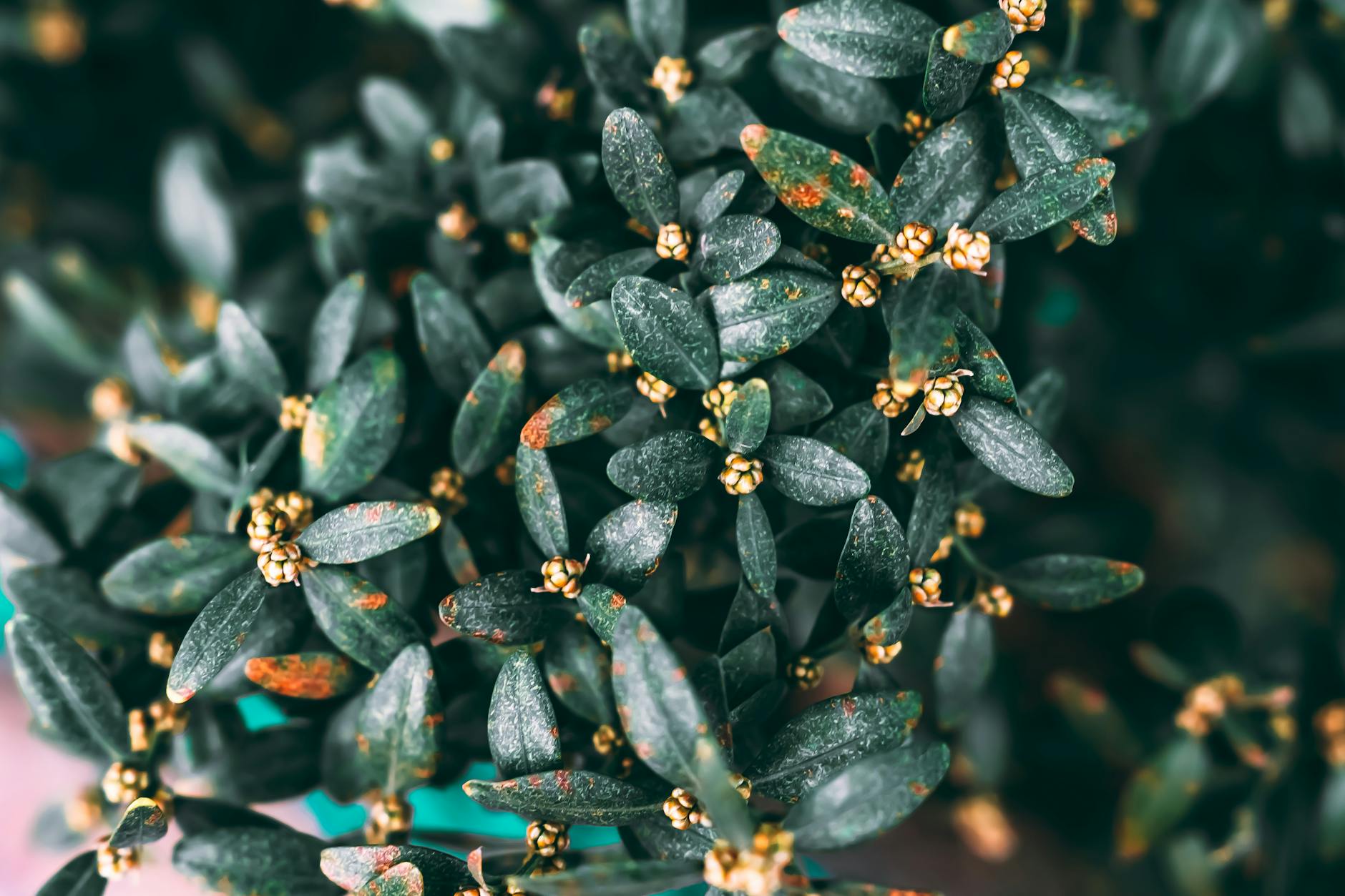
Cold stress can cause lasting damage if exposure is repeated or prolonged, even if the plant survives the initial shock. Leaves that have been damaged by cold don’t recover; they remain discolored, shriveled, or necrotic. While the plant may produce new growth, those original damaged leaves are lost permanently, and the plant’s overall appearance suffers.
A major warning: if a plant experiences cold stress consistently—such as being placed near an air conditioning vent that runs daily—it will eventually enter a state of decline where it drops leaves, stops growing, and becomes prone to spider mites and fungal infections. Some plants can recover fully from a single cold exposure if they’re otherwise healthy and given time, but many plants, especially specimens that were already stressed by low light or inconsistent watering, may never fully recover. Begonias and other tropical plants hit by cold air often develop permanent weakening of their vascular system, making them brittle and prone to breakage even after temperatures normalize. The limitation here is that recovery is unpredictable—you can move a damaged plant to ideal conditions and still see it decline over weeks or months.

How Does Humidity Amplify The Effects Of Cold Drafts?
Low humidity and cold temperature together create a compounding problem that many plant owners don’t anticipate. Cold air holds less moisture, so when an air conditioning vent blows cool air across a plant, it’s simultaneously drying out the leaves and cooling them—a one-two punch that causes rapid transpiration stress. A houseplant in 45-degree air with 30% humidity is in far worse condition than one in 45-degree air with 70% humidity.
For example, a Monstera in a well-humidified room (achieved by grouping plants, using a humidifier, or placing plants on pebble trays) can tolerate brief cold exposure much better than the same plant in a dry room. This is why plants near air conditioning vents in dry seasons—like summer in an arid climate or winter when heating systems run—suffer most visibly. If you must place a plant near a draft source, running a humidifier or regularly misting the foliage can buffer the damage somewhat, though it’s not a complete solution.
What Should You Expect When Moving Plants Away From Drafts?
Plants that are relocated away from draft sources typically show improvement within one to two weeks, though complete recovery can take several weeks or months depending on the severity of prior damage. New growth will emerge healthier and more vibrant, and existing leaves may gradually regain color, though the original damaged foliage won’t repair itself. This forward-looking perspective is important: if you’ve had repeated plant losses in a particular spot, moving future plants away from that location is the most reliable prevention strategy.
As climate control in homes becomes increasingly sophisticated, with smart thermostats and zone-based cooling, homeowners have more ability to avoid problematic temperature swings. However, this also means plants may be placed in new locations without fully understanding the microclimate. Testing a plant’s tolerance in a new spot before committing your favorite specimen is wise—try a hardy plant or a small cutting first to see how it performs.
Conclusion
Houseplants suffer from cold drafts indoors because they’re adapted to stable tropical environments and lack the resilience of outdoor plants or hardy species. Cold drafts damage cells, disrupt water absorption, and create conditions that lead to overwatering, root rot, and disease.
The problem is often invisible—you may not realize your plant is in a draft zone until damage appears. Protecting houseplants from cold drafts means identifying draft sources, moving plants away from air conditioning vents and poorly sealed windows, and monitoring the actual temperature where plants sit. This simple attention to placement and microclimate conditions will prevent the majority of cold-related plant problems, allowing you to maintain healthy, thriving plants year-round without the frustration of repeated losses.