
Plants slow down in winter because shorter daylight hours, lower temperatures, and reduced water availability trigger a biological response called dormancy. This isn’t laziness—it’s a sophisticated survival strategy that shuts down growth and reproduction to conserve energy and protect living cells from freezing. A dormant maple tree, for instance, stops producing leaves, halts root expansion, and thickens its cell walls to withstand temperatures that would otherwise crack open the plant’s tissues and kill it. This process affects more than backyard gardens. Commercial agriculture, timber production, and food security all depend on understanding and managing winter dormancy.
For investors watching agricultural stocks, grain prices, and commodity futures, the rhythm of plant dormancy directly influences crop yields, operational costs, and market forecasts. Understanding what happens when plants rest during winter provides insight into seasonal patterns that move markets worth trillions of dollars annually. The shift into dormancy is triggered by accumulated day-length signals, temperature drops, and moisture stress. Once triggered, plants don’t simply stop—they actively reorganize their internal chemistry to survive the season ahead. This is why a plant in a warm indoor space with artificial lights never truly rests the way nature intended, which can create problems for both gardeners and commercial growers.
Table of Contents
- How Do Plants Know When Winter Is Coming?
- The Physical Changes Plants Undergo During Dormancy
- How Different Plant Species Experience Winter Differently
- Managing Winter Dormancy in Commercial Agriculture
- Common Problems When Winter Dormancy Fails
- Winter Dormancy in Urban and Ornamental Landscapes
- Climate Change and the Future of Plant Dormancy
- Conclusion
How Do Plants Know When Winter Is Coming?
Plants don’t check a calendar or read a thermometer; they respond to photoperiod, the ratio of daylight to darkness. As days shorten in autumn, plants detect this change through a light-sensitive pigment called phytochrome. This molecular signal tells the plant that winter is approaching, even before temperatures drop. In regions like northern temperate zones, photoperiod changes are highly reliable year after year, making them an accurate predictor of seasonal stress. Temperature acts as a secondary signal. Many plants require a period of sustained cold—called vernalization—before they will flower in spring.
If a winter is unusually warm, plants may not receive enough cold exposure to satisfy their dormancy requirements. This creates a real problem: trees that haven’t experienced adequate cold sometimes fail to bud properly in spring, reducing fruit production and new growth. Apple, pear, and cherry growers know this risk well; a mild winter can mean lower harvests and reduced revenue. Moisture stress also accelerates dormancy signals. As soil freezes, liquid water becomes inaccessible to roots even though ice is technically present. This “physiological drought” tells plants to reduce their above-ground activity and redirect resources to surviving tissues. The combination of short days, cold temperatures, and water unavailability creates a three-pronged signal that dormancy is necessary—and these signals can vary significantly by latitude and elevation.
The Physical Changes Plants Undergo During Dormancy
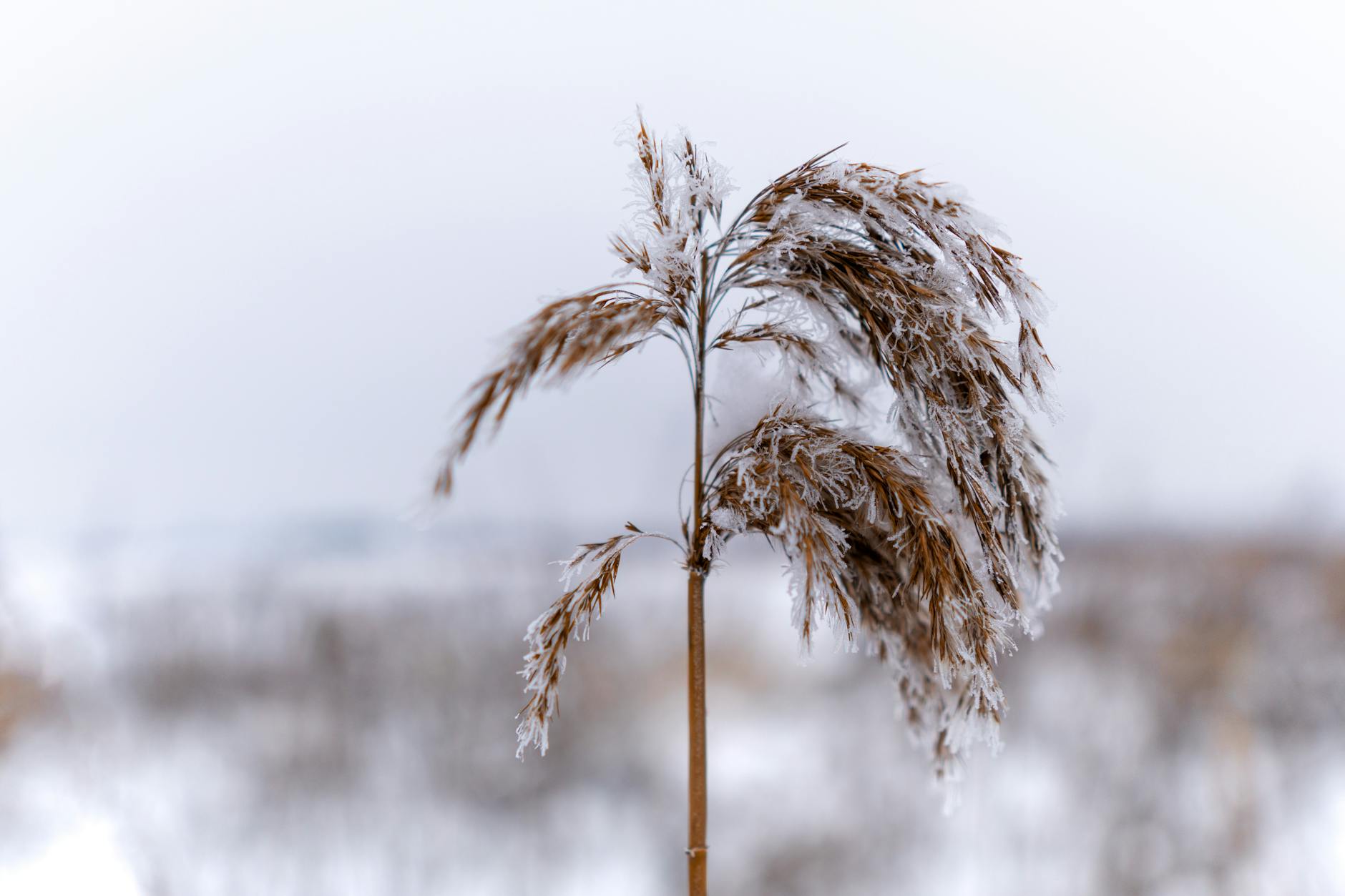
Inside dormant plants, dramatic chemical transformations occur. Chlorophyll production stops, revealing other pigments that create the vivid reds and yellows of autumn foliage. More importantly, plants manufacture antifreeze-like compounds—sugars, amino acids, and other solutes—that lower the freezing point of cell sap. This is why sap runs in early spring; sugars moved into cells during dormancy increase water content and alter freezing dynamics. Trees and woody plants also seal themselves off. Before dormancy deepens, plants form an abscission layer at the base of each leaf stem, cutting off nutrient and water transport.
This allows leaves to drop—a process that prevents water loss through the leaf’s large surface area. The plant’s vascular tissues, which normally transport water and nutrients, essentially hibernate. Growth hormones like auxin and gibberellin drop to minimal levels, removing the chemical signals that drive cell division and stem elongation. However, dormancy has a cost: a tree that shuts down completely loses the ability to respond quickly to opportunities. If an unusually warm spell occurs in late winter, some trees cannot reawaken immediately. Buds remain closed even as temperatures spike, which is why early-season warm weather followed by frost can damage fruit trees or flowering shrubs. This lag between external conditions and internal readiness is a fundamental vulnerability of dormancy that farmers and horticulturists must plan around.
How Different Plant Species Experience Winter Differently
Not all plants follow the same dormancy strategy. Deciduous plants like oaks, maples, and fruit trees drop leaves entirely and enter deep dormancy. Evergreen conifers like pines and firs retain needles but dramatically reduce their metabolic rate. Broadleaf evergreens such as holly or rhododendron reduce water transport while keeping foliage, an expensive strategy that requires specific cold-hardiness adaptations. The choice of which strategy a species uses depends on evolutionary history and the climate where it originated. Herbaceous plants—those that don’t produce woody stems—often survive winter entirely underground. Perennials like tulips or daylilies retreat completely belowground to tubers, bulbs, or root systems.
This offers maximum protection but requires significant stored energy to restage the above-ground plant each spring. Annual plants sidestep the problem entirely by dying after producing seeds that will germinate in spring. For agriculture, this matters enormously: winter wheat seeds germinate in fall, experience vernalization through winter cold, and then flower prolifically in spring because cold-hardening has been achieved. Many tropical and subtropical plants lack true dormancy because they evolved in climates without severe winter stress. When brought to cold climates, they cannot produce dormancy properly and die. This is why commercial growers in northern regions cannot simply shift production to tropical plant varieties—the plants’ lack of cold adaptation makes them unsuitable. Understanding which species dormancy strategy is appropriate for a region determines whether a crop succeeds or fails economically.
Managing Winter Dormancy in Commercial Agriculture
Farmers and horticulturists must actively manage dormancy to achieve desired outcomes. Fruit growers apply dormancy-breaking chemicals like hydrogen cyanamide to orchards after winter if the season provided insufficient cold exposure. These treatments force early bud break, advancing harvest dates to catch premium early-season market prices. The strategy carries risk: applying dormancy-breakers at the wrong stage can damage buds or create uneven bud opening, reducing marketable yield. Cold-storage facilities have become another critical tool. Seeds, bulbs, and vegetative plant materials are stored at controlled temperatures above freezing to maintain dormancy without allowing sprouting.
This allows growers to extend growing seasons and supply fresh produce year-round. Strawberry crowns, for example, are cold-stored to control when dormancy ends; growers can trigger growth on their schedule rather than following nature’s calendar. This technology adds cost but enables significant revenue expansion through season extension. The tradeoff is complexity and dependency on infrastructure. A power outage in a cold-storage facility can destroy dormancy management and ruin entire crops. Equipment costs are substantial, and improper storage—too cold or too warm—can reduce viability. Smaller growers often cannot afford advanced dormancy management, which is one reason industrial agriculture has consolidated: only large operations can justify the equipment and expertise needed to master the dormancy cycle for maximum profit.
Common Problems When Winter Dormancy Fails
Winter injury occurs when a plant’s dormancy preparations are inadequate for the actual conditions experienced. A late-season freeze after buds have broken can kill flowers or emerging shoots, destroying the year’s harvest. This is why late spring frosts are so devastating to apple, peach, and wine-grape regions. A warm spell in February tricks trees into breaking dormancy early; then an inevitable cold front freezes tender new tissue, causing total crop loss. Some years, this causes hundred-million-dollar losses across an entire growing region. Another problem is insufficient chilling hours. Regions experiencing warmer winters due to climate change are seeing more instances of incomplete dormancy.
Buds remain partially dormant, producing weak, uneven growth or delayed flowering. Blueberries, apples, and stone fruits are particularly vulnerable; they require specific minimum chilling hours, and when winters become too warm, yields drop sharply. Some agricultural scientists project that traditional growing regions may need to shift northward or to higher elevations as climate warming makes the winters too mild for proper dormancy completion. Pest outbreaks are linked to dormancy failure as well. If winter fails to kill overwintering insects and diseases, they emerge in greater numbers in spring, requiring more pesticide applications and reducing net profitability. Japanese beetles, scale insects, and fungal pathogens all depend on winter cold to suppress populations. A series of mild winters can lead to explosive pest proliferation, documented clearly in regions like the American South where warming winters have allowed crop-damaging species to establish in areas where they previously could not survive.

Winter Dormancy in Urban and Ornamental Landscapes
City trees and ornamental plants experience different dormancy challenges than agricultural crops. Urban heat island effects—where cities are several degrees warmer than surrounding areas—can disrupt dormancy signals. Street lights extending the photoperiod artificially may delay dormancy or cause incomplete dormancy.
Salted roads, compacted soil, and pollution stress can interfere with the plant’s ability to properly prepare for winter, leading to winterkill or reduced vitality. Homeowners and landscapers often unknowingly damage dormant plants by pruning too late in fall or too early in spring, interrupting dormancy and triggering frost damage. Evergreens stressed by improper dormancy conditions suffer desiccation in winter—the plant’s tissues dry out because roots cannot deliver water from frozen soil, even though the plant is actively transpiring because of cold dry air. This is a counterintuitive problem: plants don’t freeze to death in winter as often as they dry to death, a fact that surprises many gardeners.
Climate Change and the Future of Plant Dormancy
As global temperatures rise, the reliability of traditional dormancy signals is eroding. Photoperiod remains constant year after year, but temperature signals are becoming less predictable. Some regions are experiencing winter temperatures with greater variability—cold snaps followed by warm periods—rather than steady gradual cooling. This weather volatility makes dormancy signaling more dangerous: plants that begin dormancy may experience warm spells that encourage break, followed by lethal freezes.
Agricultural regions are already adapting by developing cold-requiring crop varieties with reduced chilling hour demands. Breeders are engineering fruit trees, berries, and grains that can thrive in warmer winters. Research into understanding the molecular biology of dormancy is accelerating, as scientists seek ways to manipulate these pathways for climate-adapted agriculture. This research has also attracted biotech investment as companies pursue dormancy-related patents and varieties for licensing. The economic implications are substantial: adaptations that allow crops to succeed in changing climates could be worth billions in licensing fees and royalties.
Conclusion
Plants slowing down in winter is not a simple shutdown but a carefully orchestrated biological transition that determines survival and productivity. The process is triggered by photoperiod changes, temperature cues, and moisture stress, leading to dramatic internal chemical transformations and growth cessation. Understanding dormancy is essential for agriculture, horticulture, forestry, and food security, making it relevant to investors watching commodity markets, agricultural technology, and biotech companies developing climate-adapted crops.
As climate patterns shift, the dormancy cycle that has governed agriculture for millennia is becoming less predictable, creating both challenges and opportunities. Regions must adapt crop varieties and management strategies to account for changing winter conditions, and biotechnology companies are positioned to profit from developing solutions. The fundamental biology of plant dormancy—how plants sense seasonal change and prepare for survival—will remain central to food production and environmental stewardship for decades to come.