How International Relations Influence Economic Growth
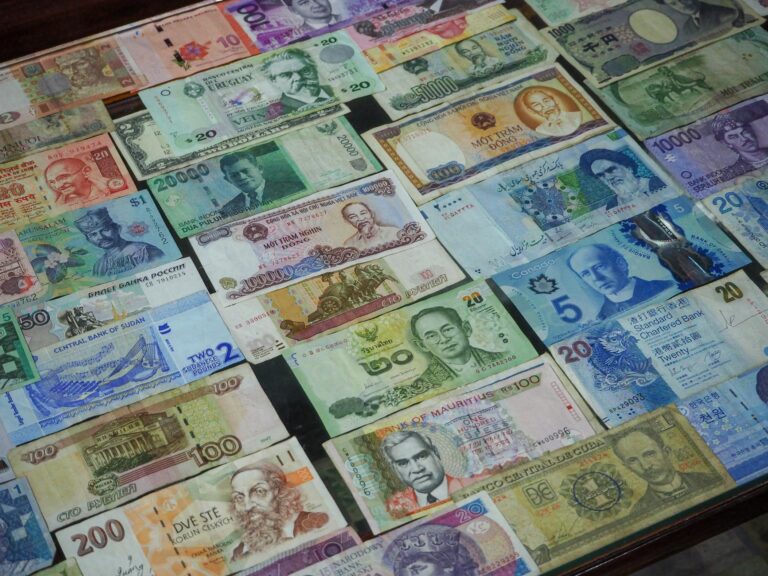
International relations directly shape economic growth through trade policies, tariff structures, and geopolitical cooperation.
International relations directly shape economic growth through trade policies, tariff structures, and geopolitical cooperation.

Global leadership requires strategic consistency because inconsistent decision-making creates measurable organizational damage that directly affects both...
Economic systems adjust to political disruption primarily through automatic stabilizers, policy shifts, and market repricing mechanisms.

Policy decisions must consider both domestic and global impact because ignoring either dimension creates blind spots that ultimately harm the very...

Global conflicts directly suppress long-term economic growth and reshape investment landscapes through three interconnected mechanisms: disrupted...
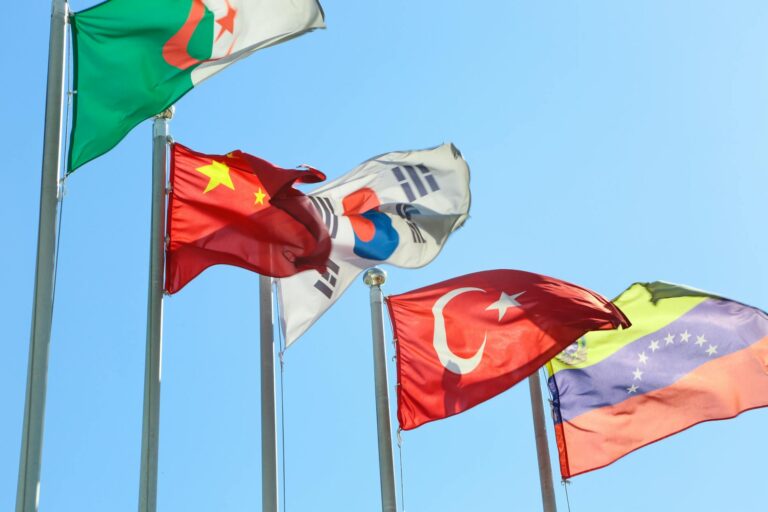
International cooperation prevents economic instability by maintaining rules, trust, and coordinated responses across borders—the very foundations that...
Political events influence consumer behavior worldwide through a direct mechanism: uncertainty drives caution.
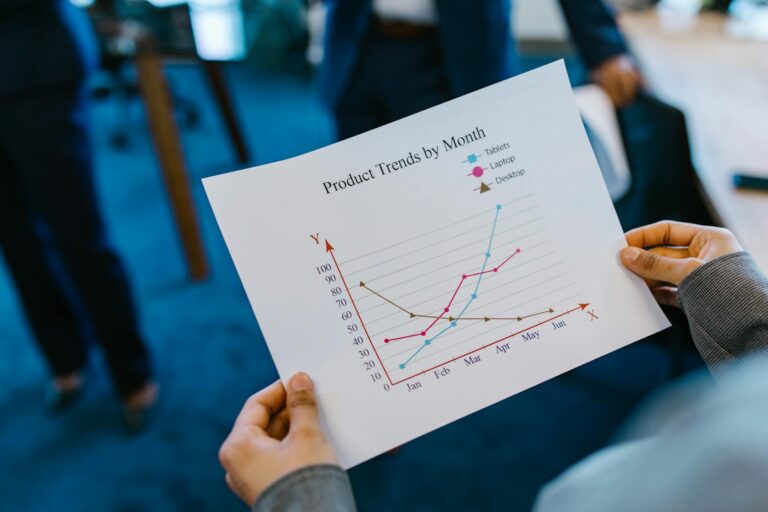
Economic forecasts shift during geopolitical tension because geopolitical events introduce uncertainty that traditional economic models cannot reliably...

Global markets respond to leadership uncertainty with heightened volatility, sharp selloffs, and pronounced valuation compression.

Political risk plays a major role in financial markets because uncertainty about government actions, geopolitical conflicts, and policy changes directly...