How International Conflicts Can Accelerate Economic Change
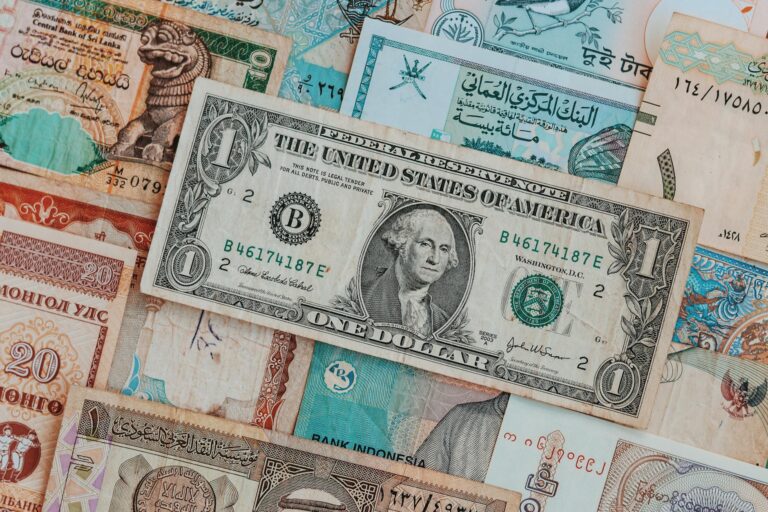
International conflicts accelerate economic change by disrupting supply chains and commodity markets in ways that ripple through entire economies within...
International conflicts accelerate economic change by disrupting supply chains and commodity markets in ways that ripple through entire economies within...
Economic policy must align with global realities because the world economy is fundamentally fractured—different regions are growing at vastly different...

Political decisions fundamentally reshape the terms of international trade agreements because trade policy originates from government authority and...

Global stability requires long-term strategic thinking because geopolitical and economic risks are interconnected, complex, and evolving faster than most...

Economic systems don't respond uniformly to international conflict—they splinter along the lines of supply and strategic exposure.

Political leadership styles significantly influence how stock markets react in the short term, primarily because investors respond to perceived policy...
Global events reshape economic priorities by forcing governments and investors to reallocate resources toward immediate security, inflation management,...
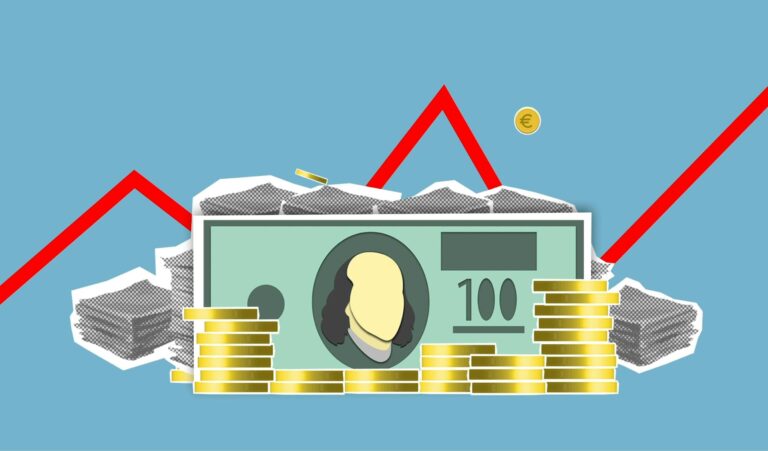
Economic resilience in an increasingly fragmented world depends fundamentally on strong international relationships—not as an idealistic goal, but as an...

Strategic alliances have become essential to maintaining stability in both corporate and geopolitical contexts because they distribute risk, accelerate...
International events don't simply make headlines—they directly reshape domestic budgets, policy priorities, and investment landscapes.