How Economic Policies Can Either Stabilize or Destabilize Global Markets
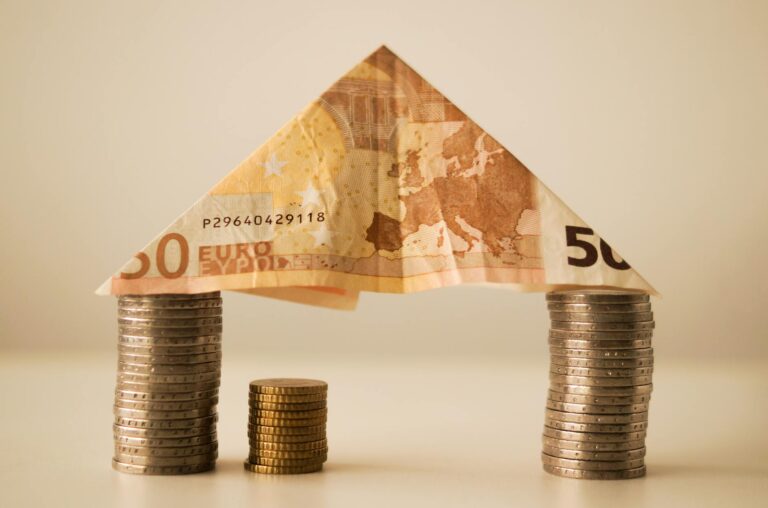
Economic policies serve as either shock absorbers or shock amplifiers for global markets—the difference often determines whether investors navigate smooth...

Economic policies serve as either shock absorbers or shock amplifiers for global markets—the difference often determines whether investors navigate smooth...

Political narratives shape public understanding of war by filtering information through particular ideological lenses, emphasizing certain facts while...

Strategic alliances directly accelerate economic recovery after conflict by enabling access to capital, technology transfer, trade opportunities, and...

International cooperation is indispensable for preventing economic crises because it creates shared frameworks for managing systemic risks that no single...
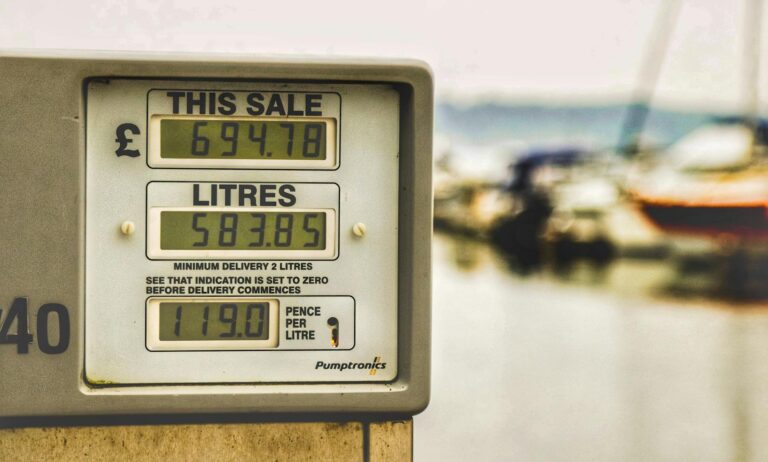
Energy prices reflect global political tensions because oil and gas supply is geographically concentrated in unstable regions, making energy markets...

Political actions trigger unexpected financial consequences because markets don't react to policy itself—they react to *surprises*.
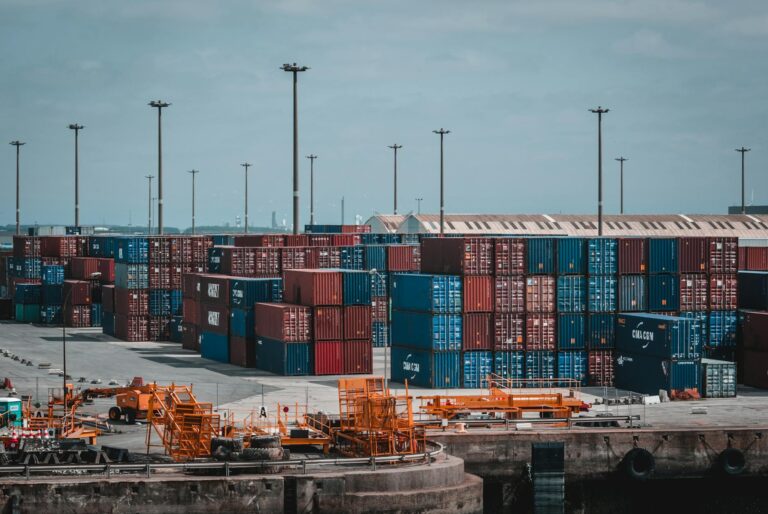
When geopolitical conflict disrupts global supply chains, the consequences are immediate and severe: shipping costs spike 30% overnight, critical...

Economic decisions don't just respond to war—they amplify it. When governments, central banks, and corporations make choices in response to conflict, they...

International relations require consistency to maintain stability because predictable behavior builds trust, reduces miscalculation, and prevents...
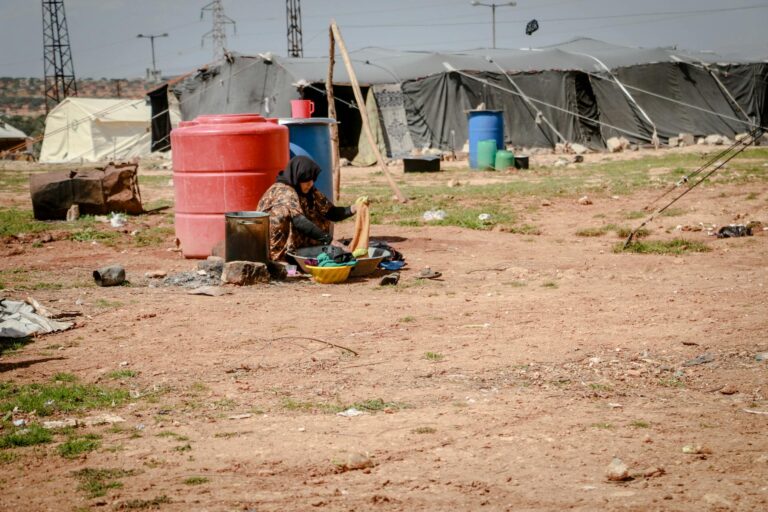
Global conflicts directly influence domestic political strategy because leaders use foreign policy positions to consolidate voter support and advance...