Why Global Markets React Instantly to Political Uncertainty
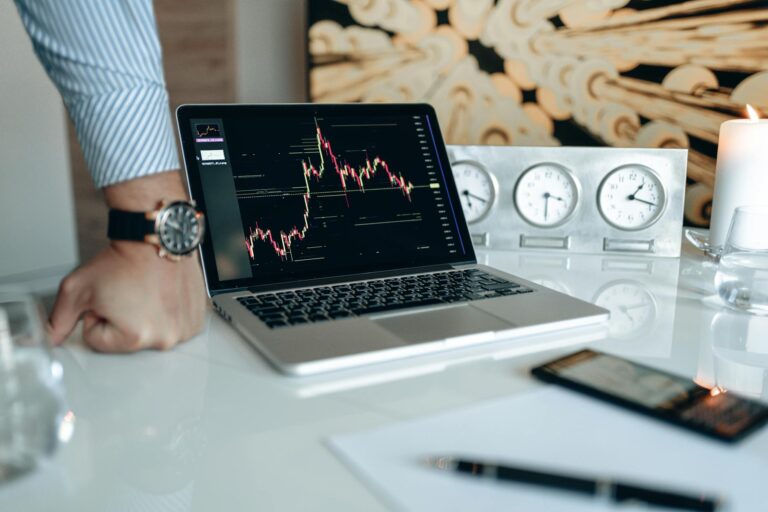
Global markets react instantly to political uncertainty because investors are pricing in the potential impact of policy changes on corporate earnings,...

Global markets react instantly to political uncertainty because investors are pricing in the potential impact of policy changes on corporate earnings,...
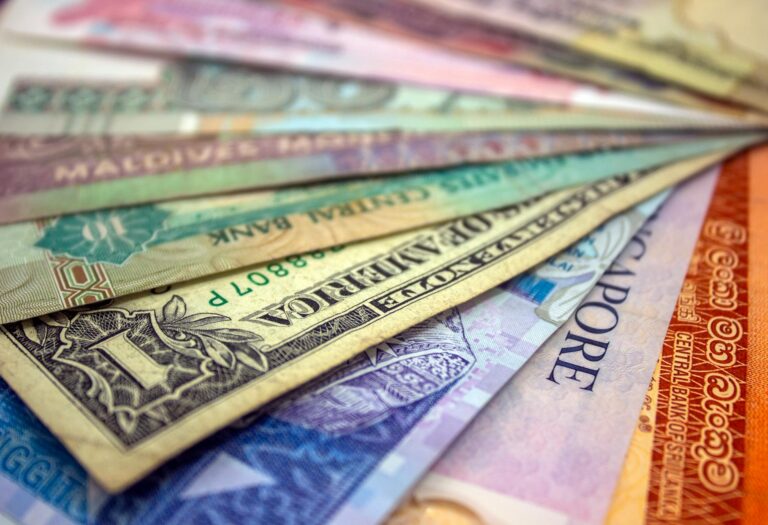
Economic policies designed to stabilize or stimulate growth frequently achieve the opposite during global crises—creating new problems that outweigh the...
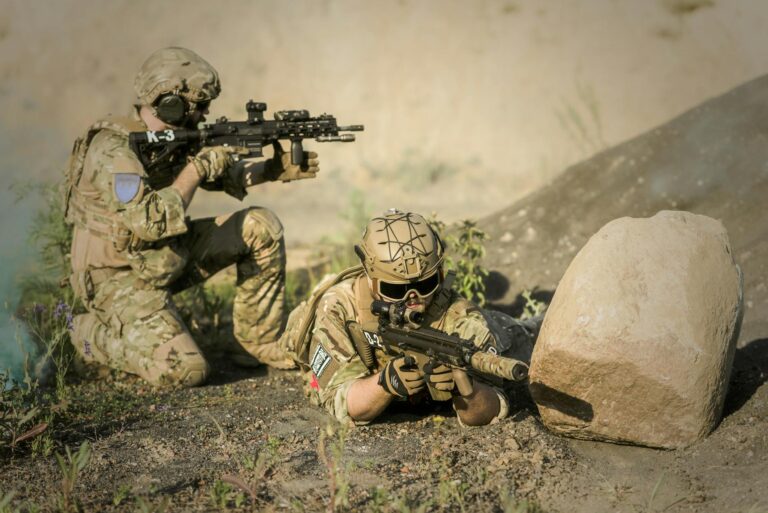
Political strategy determines the outcome of long conflicts far more reliably than military strength alone.

Global conflicts reshape international relationships for decades because they break trust between nations, force realignment around security rather than...

Alliance breakdown doesn't happen overnight, and it doesn't affect all markets uniformly. Some sectors—defense contractors, agricultural exporters,...

War decisions trigger chain reactions across global economies because military conflict disrupts the physical infrastructure—ports, shipping lanes, energy...
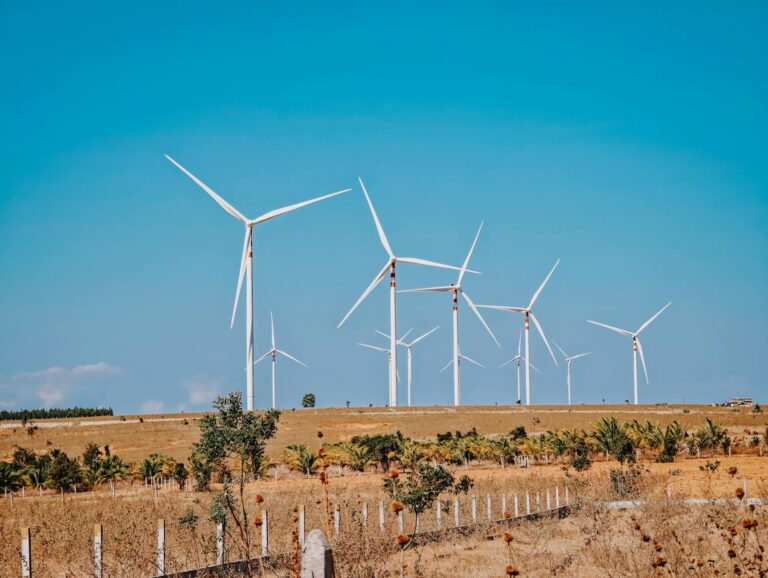
The world is transitioning from a unipolar, U.S.-dominated system toward a multipolar landscape where multiple regional powers compete for economic...
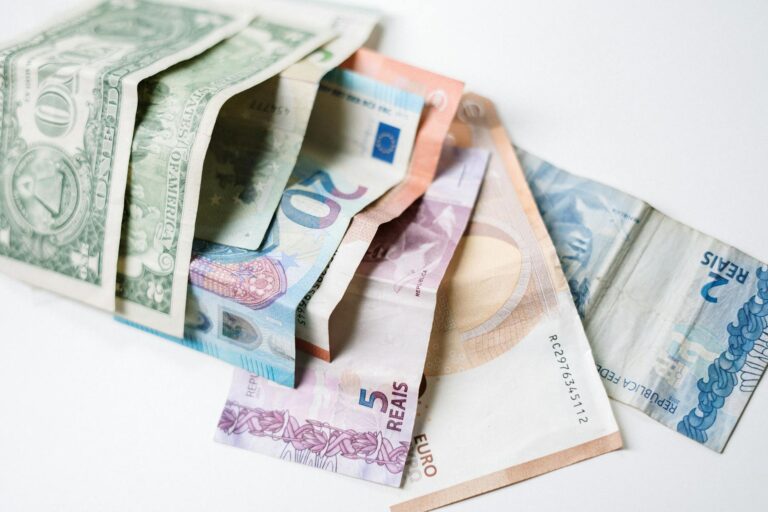
International conflicts affect your cost of living faster than almost any other economic force because they directly disrupt commodity supplies that flow...

When leaders ignore strategic warnings during conflict, the consequences are severe and measurable: military defeats, organizational collapse, massive...
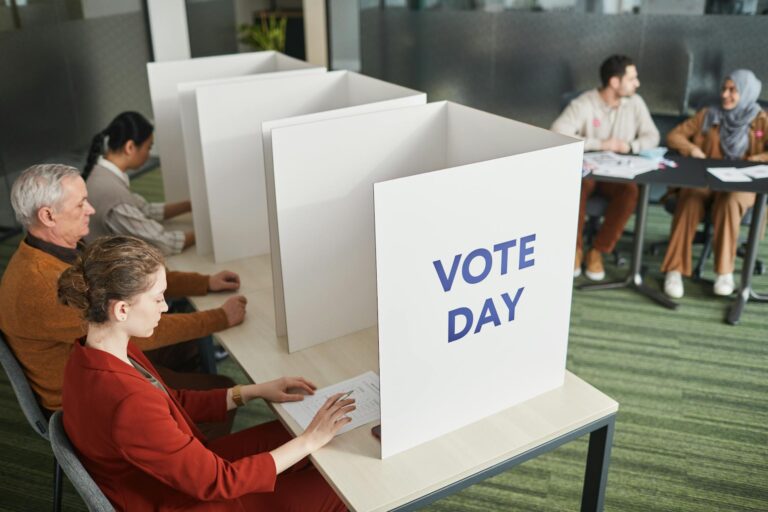
Short-term political decisions—like trade war initiation, central bank rate cuts ahead of elections, or emergency stimulus spending—frequently create...