
The most direct way to save an overwatered succulent is to remove it from wet soil immediately, allow the roots to dry completely, and repot it in well-draining cactus soil within a container that permits air circulation. Overwatering is the leading cause of succulent death because it creates anaerobic conditions in the soil where roots suffocate and rot. If caught early, most overwatered succulents recover within two to four weeks.
For example, an overwatered aloe vera that shows translucent, mushy leaves can often be saved by removing it from soil, letting the roots air-dry for three to five days, and replanting it in fresh, dry cactus mix—but waiting more than a week after the problem becomes visible significantly reduces recovery odds. The key difference between saving a plant with early-stage root rot and one that has advanced damage is speed and assessment. A succulent with overwatered symptoms but firm leaf bases and minimal root discoloration can usually be saved through drying alone. However, if the rot has advanced to the crown of the plant or the entire stem has turned soft, you may need to propagate healthy leaves or sections to start over rather than rescue the original plant.
Table of Contents
- What Does an Overwatered Succulent Look Like?
- Removing the Plant and Assessing Root Damage
- Drying Out the Roots and Propagating Healthy Leaves
- Choosing the Right Soil and Container for Prevention
- Common Mistakes People Make During Recovery
- Timeline for Recovery and Expected Outcomes
- Preventing Future Overwatering Through Smart Watering Practices
- Conclusion
- Frequently Asked Questions
What Does an Overwatered Succulent Look Like?
Overwatered succulents display specific visual symptoms that distinguish water damage from other problems. Leaves become translucent, soft, or mushy—they lose their firm texture and appear almost waterlogged. The plant may develop a foul smell near the soil line, which indicates active bacterial or fungal rot. Stems may turn brown or black at the base, and the entire plant can collapse if the damage is severe enough. These symptoms appear within days or weeks of excessive watering, unlike nutrient deficiencies or pest damage, which develop more gradually.
A common point of confusion is distinguishing between overwatering damage and normal seasonal dormancy. In winter or dry seasons, succulents naturally become softer and less turgid as they rely on stored water. However, overwatered plants show the mushy quality accompanied by soil that remains constantly moist and a distinct rot smell. Comparing this to a drought-stressed succulent, which shrivels but maintains firm tissue underneath a desiccated surface, helps clarify the diagnosis. If the soil is dry and the plant is wrinkled, it’s thirsty. If the soil is wet or recently wet and the plant is soft, it’s overwatered.
Removing the Plant and Assessing Root Damage
The first action is to remove the succulent from its pot and inspect the roots. Gently shake off excess soil—do not rinse the roots, as additional moisture will prolong the recovery period. Healthy roots appear light tan or whitish and are firm to the touch. Rotted roots are dark brown or black, mushy, and smell like decay. If less than one-third of the root system shows rot, the plant has a strong chance of recovery. If more than half the roots are affected or if the rot extends into the main stem, recovery becomes less certain.
Once you have assessed the roots, use clean scissors or a knife to trim away all visibly rotten root material and stem tissue. This removes the infection source and prevents rot from spreading upward through the plant. Do not be timid about cutting—removing dead tissue gives the plant better odds than leaving rot present. After trimming, let the open wounds air-dry for at least twelve hours before repotting. This prevents the plant from immediately re-exposing the fresh cuts to moisture. A limitation to understand here is that aggressive trimming may leave you with minimal root system, which means slower initial growth, but a plant with fewer healthy roots still grows much better than one left with rotting roots intact.
Drying Out the Roots and Propagating Healthy Leaves
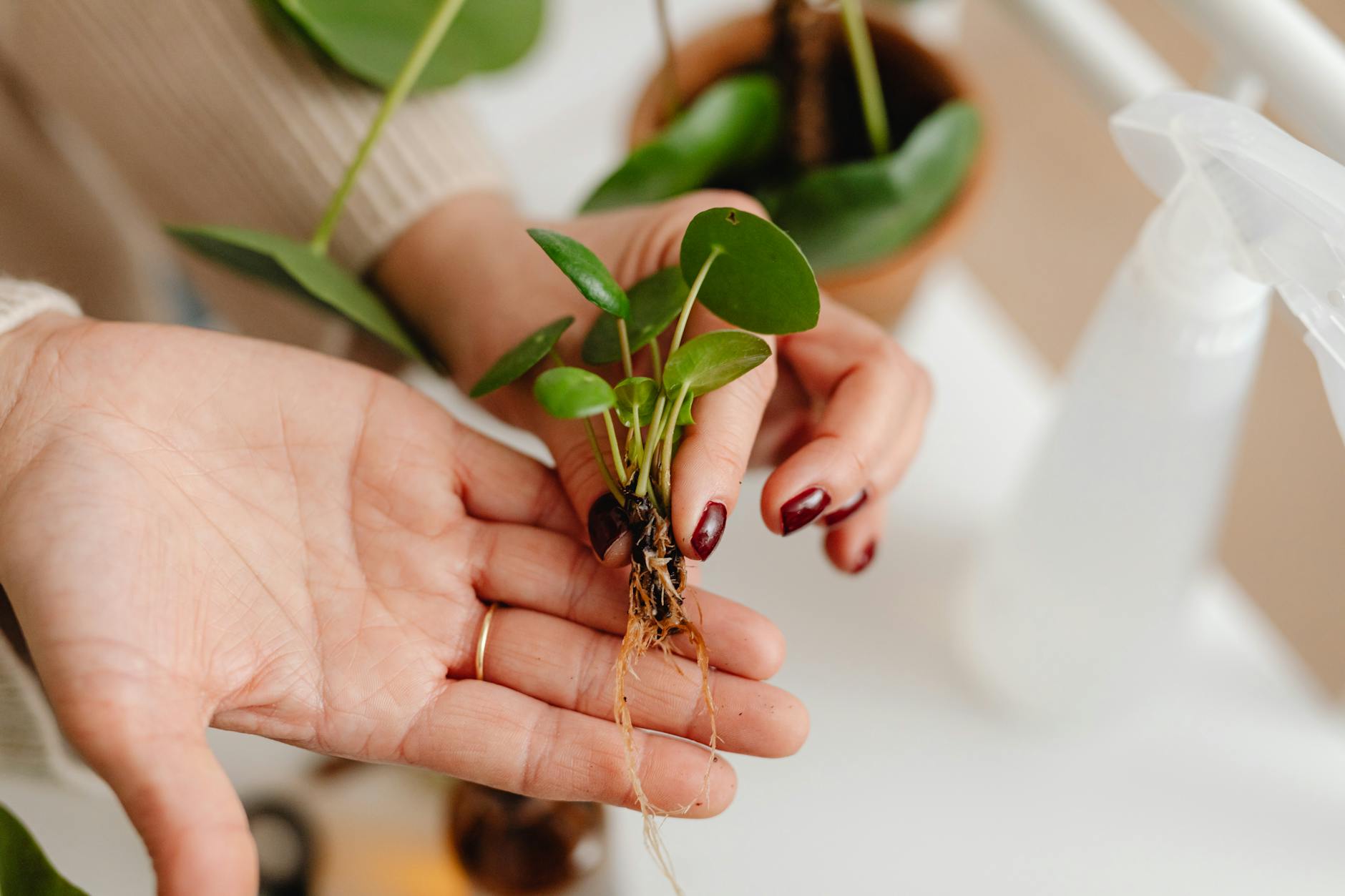
If the plant has any surviving roots and firm leaves, repot it in dry cactus or succulent soil in a container with drainage holes. Do not water for at least one to two weeks after repotting—the soil will contain some residual moisture from handling, and the plant needs time to callus the cuts and adjust. After two weeks, you can resume a minimal watering schedule: a small drink of water every three weeks until the plant shows signs of new growth. For succulents with advanced rot where the main stem is compromised, propagation is often the most reliable path forward. Carefully remove any intact leaves from the plant and lay them on dry paper towels for one week.
After they have calloused at the break points, place them on well-draining succulent soil (you do not even need to bury them—just lay them on top). Mist lightly once per week with a spray bottle. Tiny rosettes will develop from the base of each leaf after two to three weeks, and these can be potted individually once they develop roots. A specific example: if you have an overwatered jade plant with one good stem section remaining, you can cut a four-inch section, let it dry for a few days, and repot it in fresh soil—that cutting will root and grow into a new plant within four to six weeks. Propagation from leaves takes longer (six to eight weeks) but rarely fails if you keep them dry.
Choosing the Right Soil and Container for Prevention
The type of soil and container you select makes the difference between recovery and relapse. Standard potting soil holds too much moisture and will cause problems again. Cactus soil, available at any garden center, is specifically formulated to drain quickly—it contains coarse sand, perlite, and grit mixed with a small amount of organic material. If you want to improve cactus soil further, add extra perlite or coarse sand to increase drainage; a common ratio is one part added perlite to two parts cactus soil. Some growers mix their own from scratch using a ratio of one part potting soil, one part perlite, and two parts coarse sand.
The container matters as much as the soil. Use a pot with at least one drainage hole in the bottom—terracotta is ideal because it is porous and allows water to evaporate through the sides, while plastic pots retain moisture longer. A pot that is slightly too small is better than one too large; a succulent in an oversized pot surrounds itself with unnecessary soil volume that stays moist longer. The tradeoff is that smaller pots dry out faster and may need more frequent watering during the growing season, but they dramatically reduce overwatering risk. Many growers increase pot size by no more than one-half inch in diameter each year when repotting, rather than jumping to a large container.
Common Mistakes People Make During Recovery
A frequent error is watering too soon after repotting a recovering succulent. The plant looks sad and droopy, so the instinct is to give it water—but this pushes the plant back into the exact condition that caused the problem. Resist this impulse for at least two weeks. The droopiness comes from root damage and recovery, not immediate thirst. The plant will firm up and perk up without additional water as the roots heal.
Another mistake is placing the plant in low light during recovery, thinking it needs protection. Succulents rely on strong light to stay compact and healthy. A recovering succulent should receive bright, indirect light (or even direct sun if it is acclimated gradually) to encourage healing and reduce the risk of fungal or bacterial problems thriving in dim conditions. A warning here: overwatered succulents in low light are significantly more prone to developing fungal issues on leaves and stems. One more common error is repotting into a container that is too large or using regular potting soil “just this once.” These compromises compound the stress the plant has already endured.

Timeline for Recovery and Expected Outcomes
Most overwatered succulents show signs of stabilization within one week of being repotted into dry soil and removed from waterlogged conditions. The immediate softness in the leaves begins to firm up as the plant stops losing water to rot and reabsorbs what moisture remains in healthy tissue. By week two, if the plant was only mildly affected, you might see new growth beginning. More severely damaged plants take three to four weeks to stabilize and another two to three weeks before new growth is visible.
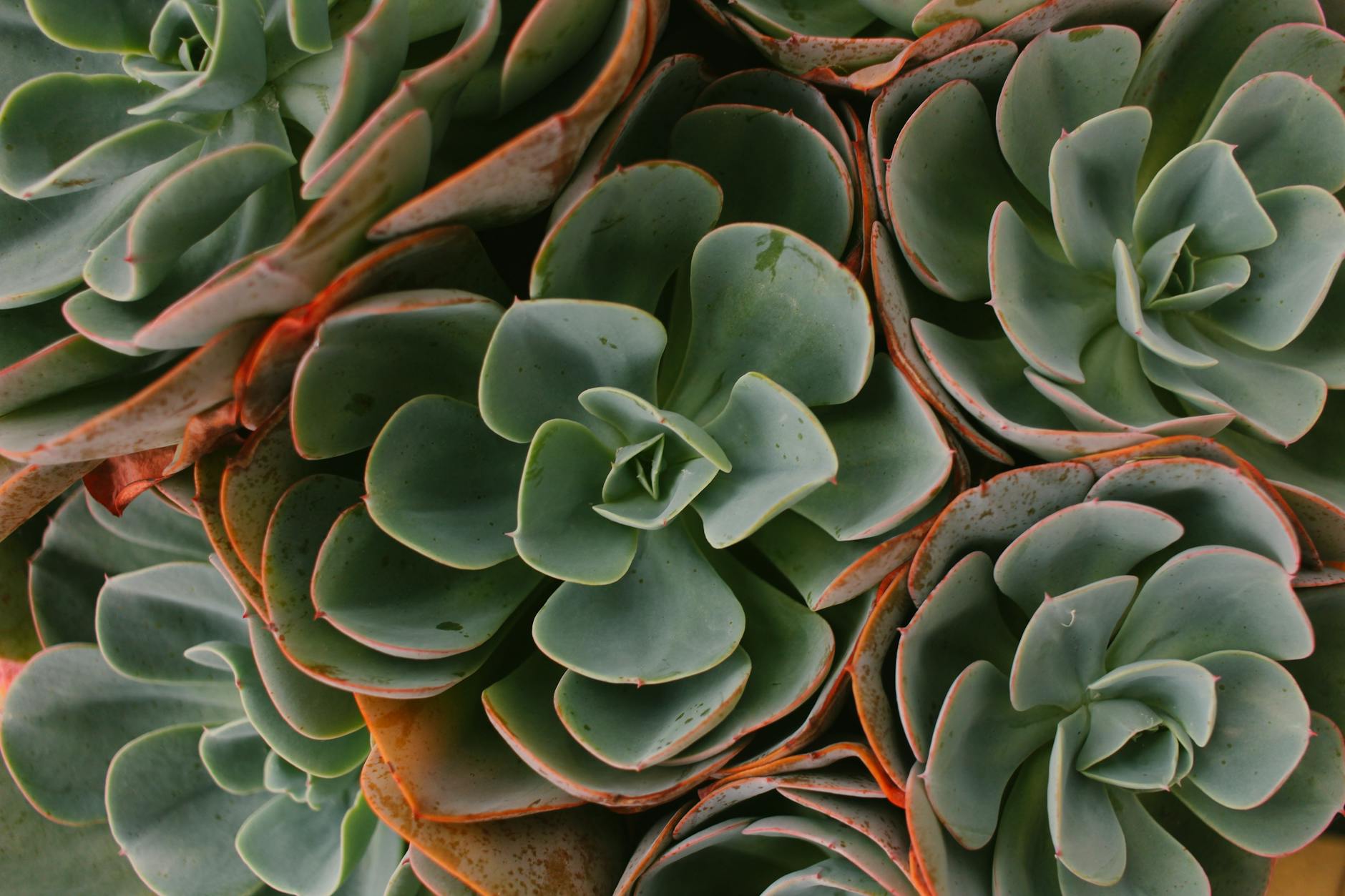
A specific example: an overwatered echeveria that received water two days ago and now shows translucent lower leaves should appear significantly firmer within ten days of dry-soil repotting. By day 21, assuming the plant received bright light and no water, small tight rosettes of new leaves might appear at the center. If that same plant had been severely rotted with half the root system affected, recovery might take six to eight weeks and growth would be much slower. The lesson is that early intervention shortens the timeline significantly—a plant caught within a few days of overwatering can be ready for normal care within a month, while one left in wet conditions for weeks might not recover at all.
Preventing Future Overwatering Through Smart Watering Practices
The most reliable method to prevent overwatering is the “soak and dry” approach: water the soil thoroughly until it drains from the bottom, then let it dry out completely before watering again. Completely dry soil can take one to three weeks for most succulents in moderate climates, depending on pot size, soil mix, light, and season. Succulents in winter dormancy or in cooler climates may need water only once every month or even every six weeks. A forward-looking approach is using a soil moisture meter, which removes guesswork.
Insert it into the soil and water only when the reading indicates the soil is dry (typically a reading of three or lower on a standard meter). This removes the emotional decision-making that leads to overwatering. Alternatively, many growers simply learn to recognize when a pot feels light enough to indicate dry soil by lifting it regularly. As you gain experience with specific plants in specific containers, you develop an intuitive sense for watering frequency. The most important shift is accepting that succulents are drought-adapted and prefer neglect to excess—a plant that goes too long without water will recover quickly once watered, while one that is watered too frequently faces weeks of recovery or death.
Conclusion
Saving an overwatered succulent requires immediate action: remove the plant from wet soil, trim rotted roots and stems, let wounds dry, and repot in fresh cactus soil without water for one to two weeks. Early intervention, where rot is limited to the roots, results in recovery within four to six weeks. Advanced rot where the crown or main stem is affected often necessitates propagating healthy leaves or cuttings instead.
The most important takeaway is that overwatering is entirely preventable. Use well-draining soil, containers with drainage holes, and the soak-and-dry watering method. Most of the succulents that end up overwatered are being cared for with too much attention and too much water—a shift in mindset toward allowing extended dry periods will prevent the problem entirely. If you do overwater, the good news is that succulents are resilient: caught within days, they nearly always recover; even significantly damaged plants can often be salvaged through aggressive root trimming and careful drying.
Frequently Asked Questions
How long should I wait before watering a succulent after I repot it from overwatering damage?
Wait at least one to two weeks after repotting before adding any water. The repotting process and air-drying of roots both leave some moisture in the soil. Watering too soon defeats the recovery work you have done.
Can you save a succulent if the stem is completely soft and mushy?
If the entire stem is soft, the plant itself is likely unsalvageable, but you can propagate healthy leaves or any firm sections of stem. Remove undamaged leaves and let them callus before placing them on dry soil to grow new plants.
Is it better to use terracotta or plastic pots for recovering succulents?
Terracotta is superior for succulents because it is porous and allows faster evaporation of soil moisture. Plastic pots retain moisture longer, which increases the risk of repeat overwatering problems. Use terracotta if possible.
How do I know when to resume normal watering after my succulent recovers?
Resume normal watering (the soak-and-dry method) once the plant shows new growth and the leaves feel fully firm again. This typically takes four to six weeks. When you do resume, water thoroughly and then let the soil dry completely—do not switch to frequent small amounts of water.
What if my succulent gets soft again after I have repotted it?
This indicates either the soil is still too wet, the plant is getting watered too frequently, or remaining root rot is progressing. Check the soil moisture with a meter and extend the drying period between waterings. If root rot is still present, you may need to remove the plant again and trim additional rotted tissue.
Can I use regular potting soil mixed with extra perlite instead of cactus soil?
You can make this work, but true cactus soil is formulated specifically for fast drainage and is inexpensive. If you do mix your own, use a ratio of at least one part perlite to one part potting soil, plus additional coarse sand or grit. Regular potting soil alone will cause the same problems that led to overwatering in the first place.