
Making cold brew coffee in a mason jar is straightforward: combine coarsely ground coffee and cold water in a mason jar at roughly a 1:4 or 1:5 coffee-to-water ratio, seal it, and let it steep in the refrigerator for 12 to 24 hours. This method produces a smooth, less acidic concentrate that you can dilute with water or milk for immediate consumption or store for weeks. For example, a standard quart-sized mason jar with one cup of ground coffee and four cups of cold water creates enough concentrate to make multiple cups of cold brew throughout the week.
The appeal of cold brew lies in its simplicity and consistency. Unlike hot coffee brewing methods that require precise water temperature and timing, cold water naturally extracts coffee’s flavors over time without the bitterness that often comes from heat. This hands-off approach works well for people with irregular schedules—you start the brew before bed and have ready-made concentrate waiting in the morning.
Table of Contents
- What Is the Best Ratio of Coffee to Water for Mason Jar Cold Brew?
- How Long Should Cold Brew Steep in a Mason Jar?
- Filtering and Straining Your Cold Brew Concentrate
- Diluting Cold Brew—Water Versus Milk Versus Other Options
- Common Cold Brew Problems and Storage Concerns
- Equipment Considerations Beyond the Mason Jar
- Why Cold Brew Has Become a Permanent Fixture in Coffee Culture
- Conclusion
What Is the Best Ratio of Coffee to Water for Mason Jar Cold Brew?
The coffee-to-water ratio determines the strength of your concentrate. most brewers start with a 1:4 ratio (one part coffee to four parts water), which produces a concentrate strong enough to dilute with equal parts water or milk. A 1:5 ratio creates a milder concentrate better suited for those who prefer lighter coffee or who plan to add milk. Some people experiment with 1:3 ratios for ultra-concentrated brews intended only for espresso-style drinks, though this approach risks over-extraction if left steeping too long.
Grind size matters more than people realize. Coarse grounds steep evenly and prevent over-extraction, while fine grounds can become muddy or bitter after prolonged soaking. If you’ve ever made cold brew that tasted overly strong or slightly bitter, fine grounds were likely the culprit. Test your current setup by trying the 1:4 ratio first—you can always adjust strength by changing your dilution ratio on the next batch rather than starting over with different grounds.
How Long Should Cold Brew Steep in a Mason Jar?
Cold brew steeping time ranges from 12 to 24 hours, depending on your grind size, coffee variety, and strength preference. Finer grounds extract faster and may reach ideal flavor around 12 hours, while coarse grounds might need closer to 18 or 24 hours. The danger with cold brew is that it can over-extract if left too long—leaving your jar at room temperature for several days will eventually produce a muddy, astringent cup. Always refrigerate your brew once you’ve filled the jar to slow extraction and prevent bacterial growth.
Temperature control is critical. Cold water naturally extracts more slowly than hot, which is why the process takes hours rather than minutes. Room-temperature steeping accelerates extraction significantly and increases the risk of spoilage. A jar left on the counter for 24 hours will taste noticeably different—and not necessarily better—than one that spent the same time in a cold refrigerator. Most experienced cold brew makers stick to the refrigerator exclusively and recommend filtering or decanting your finished concentrate into clean storage containers.
Filtering and Straining Your Cold Brew Concentrate
After steeping, you need to separate the grounds from the liquid. Many people use coffee filters placed in a fine-mesh strainer, while others layer cheesecloth or use a French press. The filtering step takes patience—rushing it by squeezing the grounds can release bitter compounds and cloud your otherwise clear concentrate. A typical batch takes 20 to 30 minutes to filter completely.
For example, if you’re using a metal mesh strainer lined with a coffee filter, pour the cold brew slowly into another clean jar, allowing gravity to do the work. Some people use fine-mesh nut milk bags for easier disposal of used grounds. The finished concentrate should be smooth and clear to slightly amber in color. If it looks murky, you either used too-fine grounds or didn’t let gravity finish the filtering job.
Diluting Cold Brew—Water Versus Milk Versus Other Options
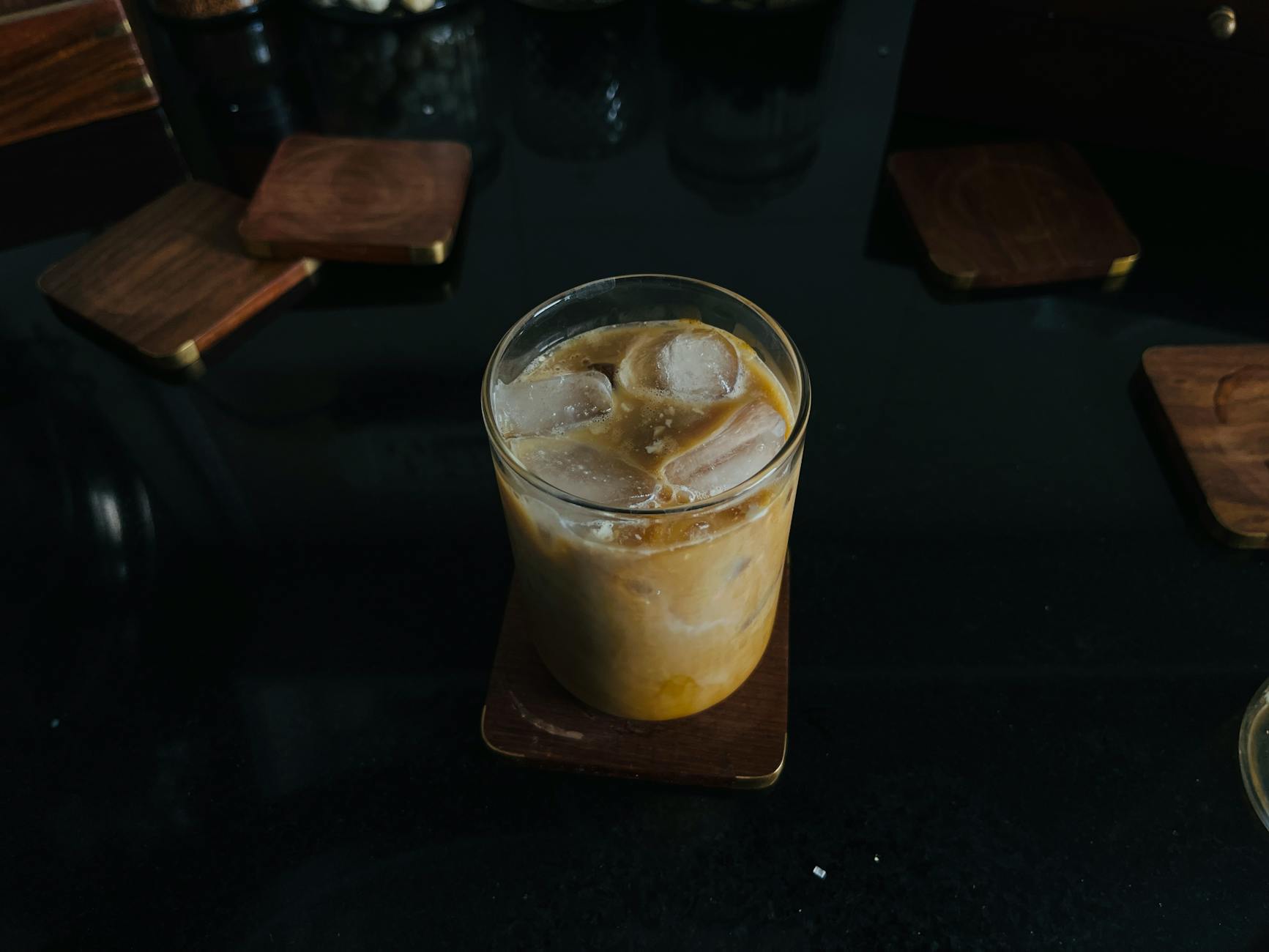
Cold brew concentrate is not meant to be consumed undiluted. A typical serving uses a 1:1 ratio of concentrate to water for a standard coffee strength, though personal preference varies widely. Adding cold water is the simplest option for black coffee, while milk or cream adds richness and mutes some of the coffee’s acidity. Some people add sweetened condensed milk directly to their concentrate for a creamy, naturally sweet cold coffee.
The tradeoff between concentrate-to-water and concentrate-to-milk depends on your taste and daily schedule. Water-diluted cold brew tastes cleaner and highlights the coffee’s actual flavor profile, making it the better choice if you’re using high-quality beans. Milk-based versions are more forgiving of mediocre beans and create a café-like drink without requiring specialty equipment. Unsweetened almond or oat milk also works, though they impart subtle flavor changes compared to dairy milk.
Common Cold Brew Problems and Storage Concerns
Mold can grow on the surface of cold brew if the jar isn’t sealed properly or if you leave it at room temperature. Always use a tight-fitting lid and keep your jar refrigerated once mixing is complete. Another frequent issue is separation—your concentrate may develop a visible layer distinction between denser coffee particles and lighter liquid, which is normal and not a sign of spoilage. Simply shake or stir before pouring.
Storage longevity is sometimes overstated. While cold brew concentrate can technically keep for two to three weeks in the refrigerator, flavor quality declines noticeably after about 10 days. The longer it sits, the more the oils oxidize and flavors flatten. Some people make smaller batches more frequently rather than trying to stretch a large batch across an entire month. Additionally, never reuse the same jar for multiple batches without thorough cleaning—residual oils from previous brews can develop off-flavors.
Equipment Considerations Beyond the Mason Jar
While a mason jar works perfectly fine, some people invest in dedicated cold brew systems like the Toddy maker or Japanese-style cold brew towers. These devices add convenience but aren’t necessary—they essentially replicate what you’re already doing in a glass jar. The advantage is that some have built-in filtration systems or measurement guides, reducing the guesswork.
For a one-time investment under fifteen dollars, a basic fine-mesh strainer and cheesecloth achieve the same result as cold brew devices costing fifty to a hundred dollars. The mason jar remains the most cost-effective and versatile option. It doubles as a storage container once your brew is ready, and you can label it directly on the glass. Quart-sized jars (32 ounces) are standard, though half-gallon jars work if you’re making larger batches.
Why Cold Brew Has Become a Permanent Fixture in Coffee Culture
Cold brew’s rise from niche specialty to mainstream staple reflects broader shifts in coffee consumption. The low-acidity profile appeals to people with sensitive stomachs, and the shelf-stable concentrate fits modern convenience expectations. Major coffee chains now sell bottled cold brew alongside hot coffee, and many home brewers have shifted from occasional experimentation to making it their default brewing method.
Looking forward, the simplicity of cold brew means it’s unlikely to become obsolete despite innovations in brewing technology. Unlike specialty methods requiring expensive equipment or precise skill, a mason jar in a refrigerator remains accessible to anyone. As people continue seeking convenient, consistent coffee at home, cold brew in a mason jar will likely remain a standard approach for years to come.
Conclusion
Making cold brew coffee in a mason jar requires only coffee, cold water, a jar, and patience. Combine coarse grounds and water in a 1:4 or 1:5 ratio, seal the jar, refrigerate for 12 to 24 hours, then strain and dilute to taste. The method is forgiving, produces consistently smooth coffee, and costs nearly nothing to execute compared to purchasing cold brew elsewhere.
Start with a single mason jar and one batch to find your ideal steeping time and strength ratio. Most people refine their process after the first attempt and develop a rhythm that fits their schedule. From there, cold brew becomes a reliable part of your weekly routine.