
Most home cooks underseason their food because they operate from a place of fear. The worry isn’t unfounded—too much salt can ruin a dish, and in an era of health consciousness, many home cooks have internalized the message that salt is dangerous. But this caution creates the opposite problem: underseasoned food that tastes flat, dull, and fails to deliver the satisfaction that made you want to cook in the first place. A home cook preparing a simple roasted chicken with vegetables might add a pinch of salt and call it done, while a restaurant chef would season aggressively at multiple stages, building layers of flavor that make the same dish taste dramatically better. The gap between restaurant food and home cooking isn’t about technique or ingredients—it’s largely about seasoning confidence. Professional kitchens taste constantly and adjust.
They understand that salt, when used properly, doesn’t make food taste salty; it amplifies existing flavors and creates depth. Home cooks, by contrast, often treat seasoning as an afterthought, a final dusting at the end rather than an integral part of the cooking process. This hesitation costs them more in flavor than any health concern ever could. The consequence is predictable: underseason food leads to disappointing meals, which leads to eating out more, which becomes expensive. For anyone managing a household budget—and certainly for anyone thinking about long-term financial health—learning to season properly transforms your relationship with cooking. Better food at home means fewer restaurant meals and more control over what you’re actually consuming.
Table of Contents
- What Makes Home Cooks Afraid to Use Salt?
- The Cost of Underseasoning Goes Beyond Taste
- How Restaurant Kitchens Approach Seasoning Differently
- Learning to Season Properly Without Oversalting
- The Hidden Risk: Relying on Salt Substitutes and Seasonings
- How Proper Seasoning Affects Your Grocery Budget
- The Future of Home Cooking Confidence
- Conclusion
- Frequently Asked Questions
What Makes Home Cooks Afraid to Use Salt?
The modern fear of salt has legitimate historical roots. For decades, public health messaging emphasized salt reduction as a universal good, often without nuance about context or quantity. This messaging stuck in the collective consciousness. Many home cooks, now parents and grandparents themselves, passed on the anxiety about salt to the next generation. The result is a cultural default toward underseasoning that persists even as nutritional science has become more sophisticated about salt’s actual role in a balanced diet.
There’s also a practical reason: home cooks lack immediate feedback. A restaurant chef seasons a sauce, tastes it immediately, and adjusts. A home cook adds salt to a pot of soup and has no way to know if they’ve added enough until the dish is plated and served to guests. Rather than risk oversalting in front of an audience, most people err on the side of caution. This creates a self-reinforcing cycle where underseasoned meals become the default, and restaurant food starts to seem mysteriously delicious by comparison—when really, it’s just properly salted.

The Cost of Underseasoning Goes Beyond Taste
Underseasoning doesn’t just make food less enjoyable; it actually changes how your body processes meals. When food lacks salt, your body registers it as less satisfying, which can lead to eating larger portions to feel full. A properly seasoned meal with appropriate salt will satisfy you faster and keep you satisfied longer. This has real implications for anyone trying to maintain a healthy weight or manage food costs. Eating underseasoned meals to “save calories” from salt often backfires because you eat more total food to achieve the same satisfaction. There’s also a psychological cost.
When food tastes flat, cooking feels pointless. Home cooks who consistently produce underseasoned meals start reaching for takeout more often, not because they lack cooking ability, but because their own food disappoints. This is where the financial impact becomes significant. A family that cooks four times a week instead of ordering takeout can save thousands of dollars annually. But that habit only sticks if the food actually tastes good. Proper seasoning is the difference between a home kitchen that feels worth using and one that feels like a chore.
How Restaurant Kitchens Approach Seasoning Differently
Restaurant chefs don’t fear salt; they respect it. They understand that salt performs multiple functions: it enhances sweetness, suppresses bitterness, brings forward aromatic compounds, and creates contrast. A professional kitchen seasons proteins before cooking, seasons cooking liquid for vegetables and starches, tastes during preparation, and often seasons again just before plating. This multi-stage approach means flavors are built in, not layered on at the end. Consider a simple example: roasted carrots.
A home cook might toss carrots with oil and roast them, then add salt afterward. A restaurant kitchen salts the carrots before roasting, so the salt penetrates the vegetable, enhances caramelization, and becomes integral to the final flavor. The difference is noticeable. The restaurant version tastes like carrots that have been treated thoughtfully; the home version tastes like an afterthought. This same principle applies to almost every dish. The lesson here is that timing of seasoning matters as much as quantity, and most home cooks aren’t considering timing at all.
Learning to Season Properly Without Oversalting
The practical solution is to taste constantly and adjust in small increments. Use your palate as a tool, not your fear as a guide. Start by understanding your baseline: taste unseasoned components first, then add salt gradually while tasting between additions. You’ll quickly develop intuition about how much is enough. Many home cooks discover that “proper” seasoning uses noticeably more salt than they expected, but the food tastes dramatically better, so the adjustment happens naturally once you experience the difference.
A useful comparison: overseasoning is immediately obvious and easily corrected by adding unseasoned component to dilute the salt. Underseasoning is invisible until the dish is eaten, and then it’s too late. This asymmetry should push you toward slightly more salt, not less. In practice, properly seasoned food rarely tastes salty to people who actually taste it before eating—it tastes complete. The word “salty” only applies when you’ve genuinely added too much, which is harder to do than most home cooks believe.
The Hidden Risk: Relying on Salt Substitutes and Seasonings
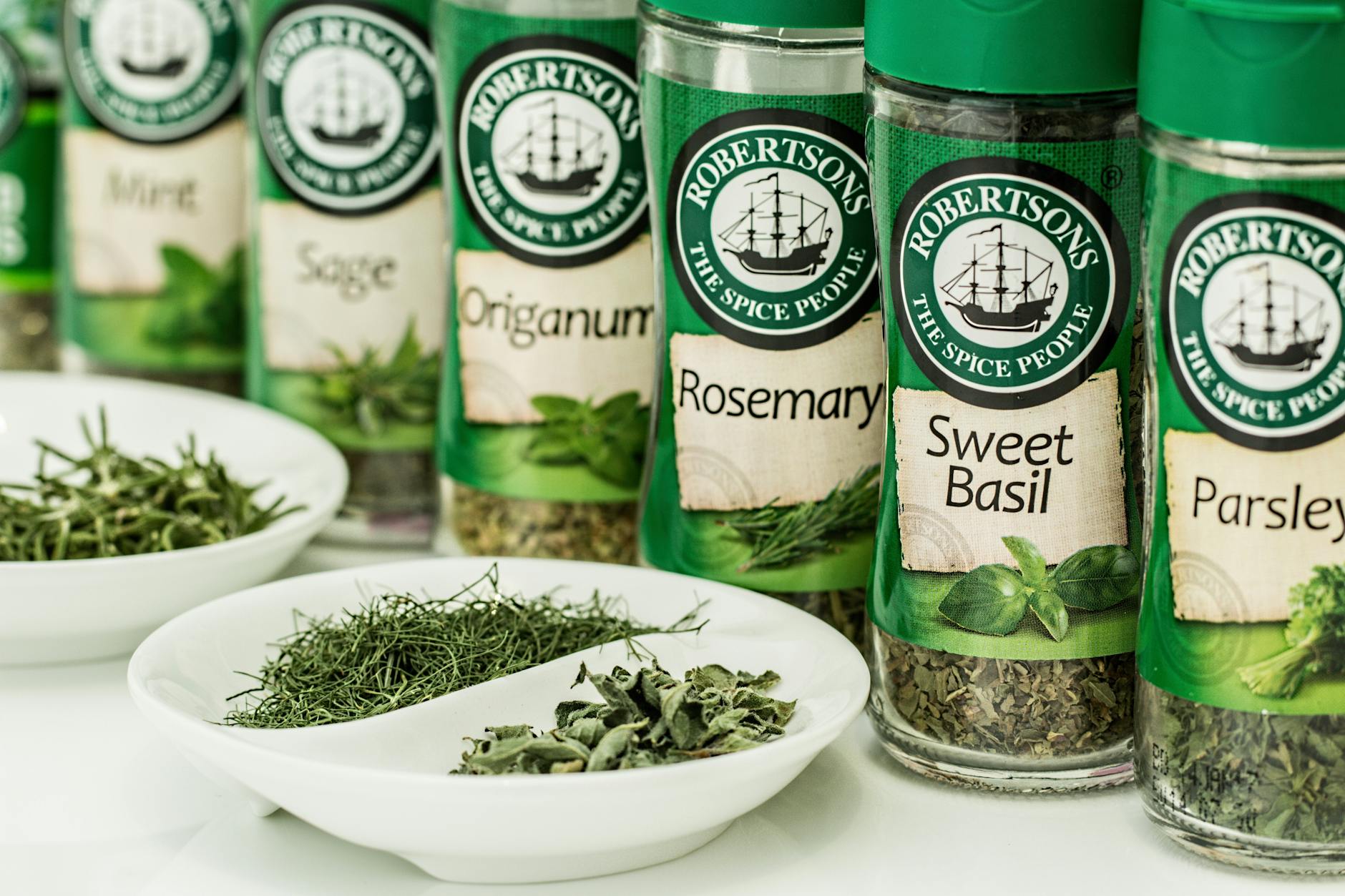
Many home cooks, trying to avoid table salt, turn to salt substitutes or compensate with extra spices. This creates new problems. Salt substitutes often have a metallic aftertaste that makes food taste worse, not better. Extra spices without adequate salt become overwhelming. You end up with food that tastes heavily seasoned but not well-seasoned—there’s a meaningful difference.
The risk is spending money on premium spices, fresh herbs, and quality ingredients, then undermining all of it with inadequate salt and poor seasoning technique. Another warning: if you’re cooking for anyone managing blood pressure or on a sodium-restricted diet, you should discuss this directly rather than guessing. For the general population eating normal home-cooked meals, proper seasoning is not a health risk. But the anxiety about it often leads home cooks to either oversalt in panic or undersalt in caution, when the real answer is to taste and adjust thoughtfully. The goal isn’t to minimize salt; it’s to use it effectively.
How Proper Seasoning Affects Your Grocery Budget
Seasoning properly means you enjoy your food more, cook more often, and eat out less. Over time, this translates directly to household savings. When a home cook learns to season pasta water properly and add finishing salt to a finished dish, that pasta tastes restaurant-quality at a fraction of the cost.
The same grocery-store ingredients that seemed disappointing become genuinely delicious. This shift in perception is powerful because it removes the financial pressure that drives people to choose convenience foods or restaurant meals. Budget-conscious cooks who invest in learning proper technique often find they can reduce their overall food spending while actually eating better. They use fewer expensive ingredients more effectively, and they waste less food because properly seasoned meals are more satisfying and less likely to be left uneaten.
The Future of Home Cooking Confidence
As more people rediscover home cooking post-pandemic and food costs continue to fluctuate, seasoning proficiency becomes increasingly valuable. The cooks who understand salt, acids, and basic flavor balance will always be ahead. They’ll enjoy their food more, spend less money, and likely influence others around them to cook more.
The competitive advantage of understanding how to make home food actually taste good is underrated. Looking forward, home cooking as an economic decision—not just a lifestyle choice—will become more important as restaurant costs rise. The home cooks who succeed financially are the ones who make food at home taste like it’s worth eating. That starts with seasoning.
Conclusion
Most home cooks underseason their food because they fear salt more than they understand it. This fear is culturally rooted, practically compounded by lack of immediate feedback, and financially costly when it drives people to eat out more. But the solution is straightforward: taste constantly, adjust in small increments, and trust the process. Properly seasoned food from your own kitchen will taste so much better that cooking becomes a rewarding part of your budget rather than a frustrating necessity.
The financial case for learning to season properly is simple: better-tasting home-cooked meals mean fewer restaurant meals, which compounds into thousands of dollars saved annually. Salt is inexpensive, plentiful, and the single most effective tool home cooks have to bridge the gap between their own food and restaurant food. The only risk in proper seasoning is the discomfort of changing a habit. That’s a trade worth making.
Frequently Asked Questions
Isn’t salt bad for you?
In the context of whole diet, sodium from properly seasoned home-cooked meals is not a health concern for most people. The real risk comes from processed foods, which contain far more sodium than anything you’d add at home. If you have a specific health condition requiring sodium restriction, work with your doctor—but that shouldn’t drive underseasoning for the general population.
How much salt should I actually use?
Start with less than you think you need, taste, and add more. Most home cooks are surprised by how much salt actually belongs in properly seasoned food. A useful benchmark: a pot of pasta water should taste like seawater.
What if I oversalt something?
Add unseasoned component (more pasta, more broth, another vegetable) to dilute it, or balance it with acid like lemon juice. But oversalting is recoverable; underseasoning is permanent once plated.
Should I use sea salt or table salt?
For cooking and seasoning, it doesn’t matter much. Use whatever you have. For finishing salt (sprinkling on top of finished dishes), texture and mineral content matter more, and a good sea salt or fleur de sel makes a noticeable difference.
Why does restaurant food taste so much better?
Multiple reasons, but proper seasoning at multiple stages is the primary one. Restaurants also use more fat, cook at higher temperatures, and taste constantly. Proper seasoning is the most impactful of these factors.
Can I learn this without ruining dishes?
Yes. Taste before serving. Adjust. The cost of a grain of salt is negligible; the cost of repeated underseasoned meals is significant.