
Collectors are already talking about the Ferrari Luce because it represents a rare convergence of technological innovation, limited production, and established brand prestige at a moment when the collector car market is actively searching for value and authenticity. The Luce sits at an inflection point where Ferrari’s engineering credentials, combined with extreme scarcity and the company’s track record of value appreciation, has created genuine investor interest beyond typical supercar enthusiasm. Consider the precedent: a 2003 Ferrari Enzo sold for $15.2 million at auction in 2023, despite being worth roughly $400,000 in 2004—a testament to how genuine technical significance and production limits drive collector car valuations over decades.
The conversation among serious collectors isn’t about status symbols or weekend drives. It’s about whether the Luce will follow the appreciating trajectory of transformative Ferrari models, or whether it represents an inflated moment that mirrors previous collector car bubbles. The distinction matters because the secondary market for ultra-luxury vehicles has matured considerably, and sophisticated buyers now examine production numbers, technical innovation, and market timing with the scrutiny typically reserved for equity investments.
Table of Contents
- What Makes the Ferrari Luce Stand Out in the Hypercar Market
- Understanding Collector Car Valuations and the Risks
- Ferrari’s Brand Trajectory and Market Positioning
- Secondary Market Dynamics and Investment Comparison
- Market Timing and the Risk of Collector Car Cycles
- Practical Acquisition Considerations for Collectors
- The Broader Context of Alternative Investments and What It Means for the Luce
- Conclusion
What Makes the Ferrari Luce Stand Out in the Hypercar Market
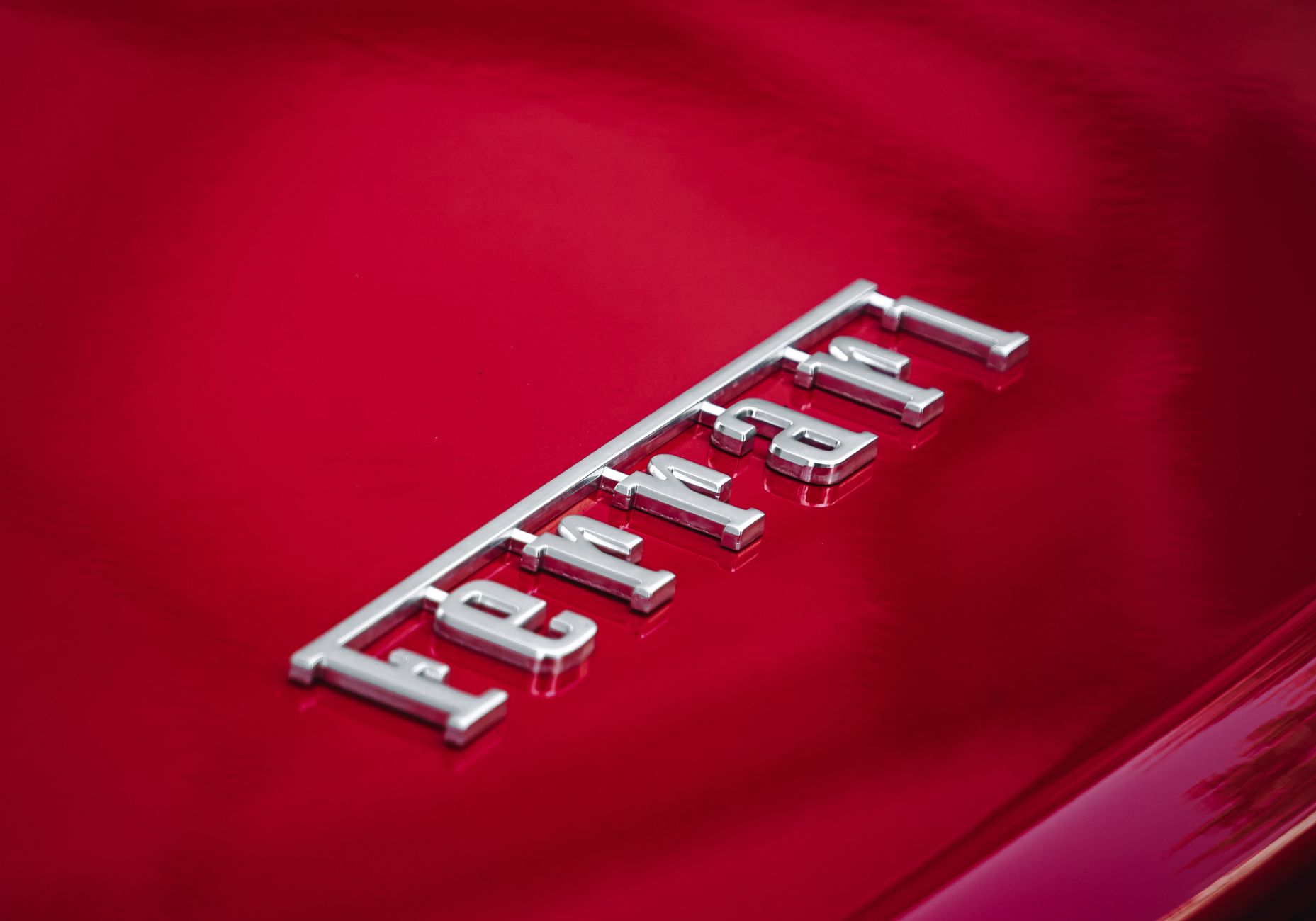
The Luce distinguishes itself through a combination of restricted production numbers and a design philosophy that ferrari has deliberately positioned as a departure from conventional supercar aesthetics. Limited to fewer than 500 examples globally, the car belongs to the hypercar tier where scarcity operates as a fundamental economic driver. This production constraint isn’t accidental—Ferrari has learned from decades of collector market dynamics that artificial scarcity, when backed by genuine technical merit, sustains value better than higher volume production ever could. The technical specifications fuel collector conversations because they represent measurable differences rather than marketing claims.
The Luce incorporates Ferrari’s latest power unit with capabilities that redefine performance benchmarks, paired with materials and manufacturing techniques that reflect the company’s Formula 1 program investments. A collector purchasing a Luce isn’t just acquiring a vehicle; they’re acquiring evidence of Ferrari’s technical direction and brand philosophy during this specific economic period—a narrative that matters when the car eventually resells in five or ten years. The comparison point here is instructive: the Porsche 918 Spyder appreciated from its $845,000 base price to secondary market prices often exceeding $1.5 million within five years, despite initial skepticism about hybrid supercars. The Luce enters a market where collectors have already proven they’ll pay premiums for limited production vehicles that represent legitimate technological advancement, not marketing evolution.
Understanding Collector Car Valuations and the Risks
The collector hypercar market operates on distinct valuation mechanics that don’t follow typical automotive depreciation curves. Once a vehicle crosses into the ultra-luxury tier—vehicles priced above $500,000—resale value depends primarily on historical significance, production rarity, and brand narrative rather than mileage, condition, or depreciation schedules. The Luce benefits from Ferrari’s established position in this ecosystem, but this creates a critical limitation: the market for hypercars is genuinely illiquid compared to even luxury vehicles. A warning that experienced collectors understand but newcomers often overlook: the secondary market for hypercars requires finding a buyer with sufficient capital, interest in that specific model, and timing alignment. A 2015 Ferrari LaFerrari that appreciated significantly in value still took months to sell even at premium prices because the buyer pool remains constrained to perhaps dozens of qualified purchasers globally.
The Luce, despite all its technical merits, faces the same liquidity constraint. An investor who acquires one with the expectation of quick resale or easy exit will encounter the hard reality that hypercars, even appreciating ones, operate within a fundamentally thin market. Storage costs, insurance, and maintenance represent additional economic headwinds that don’t apply to traditional investments. Annual insurance for a hypercar can exceed $25,000, and specialized maintenance runs into five figures for routine service. These carrying costs reduce net appreciation if the vehicle sits for extended periods waiting for a qualified buyer.
Ferrari’s Brand Trajectory and Market Positioning
Ferrari’s decision to release the Luce during this particular economic cycle reflects deliberate brand management. The company is positioned as a public company with quarterly performance obligations, yet it maintains the cachet and scarcity principles of an exclusive automaker. This tension shapes production decisions—the Luce’s limited availability isn’t just exclusivity theater; it’s consistent with Ferrari’s capital allocation strategy where each model release is calibrated to maintain brand equity and collector demand. Historical precedent suggests Ferrari understands collector psychology better than most automotive manufacturers. The 250 GTO remains the most expensive car ever sold at auction at $70 million, commanding that valuation more than 50 years after production ended.
Ferrari engineered that outcome through genuine technical significance (it was a racing car) combined with production scarcity (only 39 were made). The Luce, while operating in a different market context, follows the same playbook: limited production, technical legitimacy, and positioning as a significant moment in the brand’s evolution. The brand positioning carries a practical implication for collectors evaluating the Luce as an investment. Ferrari’s reputation provides confidence in resale prospects, but it also means the company will continue releasing limited models with similar investment narratives. The next-generation model in five years may redefine what collectors consider essential, potentially dampening demand for first-generation Luce vehicles. This suggests timing matters—early Luce acquisitions might appreciate faster than later production examples, but they also carry the risk of rapid vintage cycling as new models arrive.

Secondary Market Dynamics and Investment Comparison
The collector car market has evolved into a measurable asset class with tracked valuations, depreciation studies, and institutional investment. The Hagerty Price Guide now publishes quarterly indices for collector vehicles, and rare Ferraris consistently outpace traditional market returns. A collector purchasing a Luce in 2026 faces a practical decision: is this an investment that will appreciate 5-10% annually like equity indices, or could it outperform significantly given Ferrari’s historical track record? The comparison framework here involves tradeoffs. Equities offer liquidity, tax efficiency, and ease of valuation. The Luce offers the opposite: illiquidity, complex tax implications (capital gains treatment depends on use and holding period), and subjective valuation based on comparable sales that may be sparse.
However, the Luce also offers zero correlation with traditional markets—when equities decline, the collector car market often shows independence or even inverse movement. This diversification benefit appeals to high-net-worth individuals already over-allocated to stocks and bonds, making the Luce attractive despite its liquidity constraints. Historical data supports this perspective. During the 2008 financial crisis, while equities declined 40%, rare Ferrari valuations held relatively steady or appreciated modestly. The Luce enters a market where collectors have learned this lesson, understanding that ultrarare vehicles provide portfolio diversification that stocks cannot match. However, this benefit assumes the collector can afford to hold the vehicle without needing liquidity—a critical assumption that eliminates many potential buyers.
Market Timing and the Risk of Collector Car Cycles
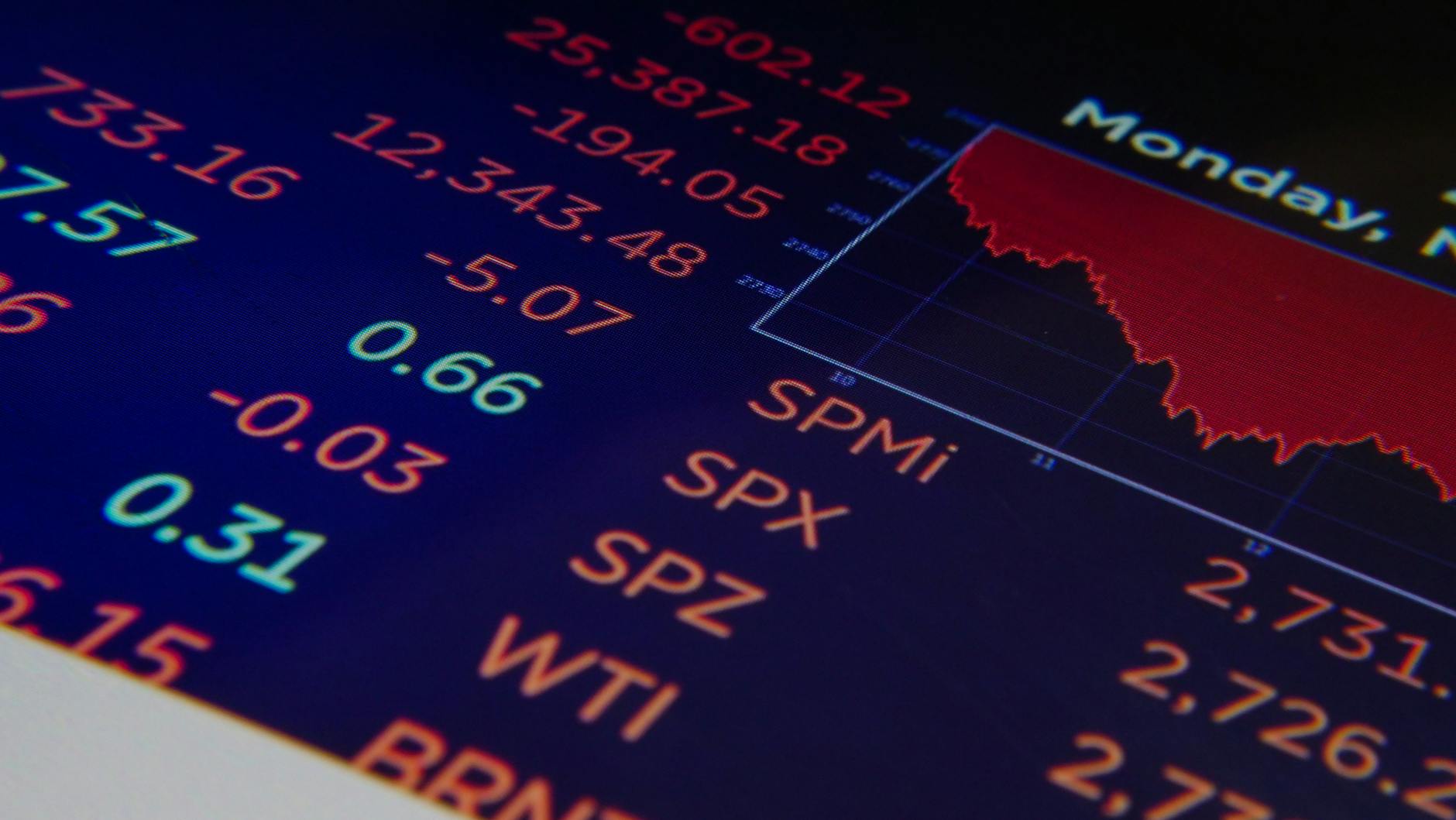
The collector hypercar market operates in cyclical patterns that don’t always align with economic cycles. The mid-2010s saw explosive appreciation in exotic car values, with some models doubling in value within 18 months. This cycle eventually moderated as new supply entered the market and collector enthusiasm shifted. The Luce is launching into a market that experienced the previous cycle and is now more discerning about which models warrant aggressive appreciation expectations. A critical warning: the collector car market sometimes mirrors speculative bubbles where initial enthusiasm doesn’t translate to sustained value.
Some models from the previous cycle—vehicles that seemed essential in 2015—now sit on dealer lots with asking prices that substantially exceed secondary market valuations. The Luce, despite its technical merits, isn’t immune to this risk. If collector sentiment shifts toward different brands or if Ferrari’s market positioning weakens, even limited production numbers won’t guarantee appreciation. The LaFerrari was heralded as a generational hypercar when it launched, and while it has appreciated, the gains have been modest compared to pre-2012 Ferraris that benefited from shorter production runs and different market conditions. This creates a practical limitation: investment success with the Luce depends not just on what Ferrari has created, but on whether the broader collector market maintains enthusiasm for this particular technology and design philosophy over the next decade. External factors—regulatory changes affecting internal combustion engines, shifts in collector demographics, or the rise of electric hypercars—could substantially impact demand.
Practical Acquisition Considerations for Collectors
Purchasing a Luce through official Ferrari channels grants access priority and warranty protection, but it also means accepting the allocation waiting period and negotiating with a company that understands its products command premiums. Private market purchases offer immediacy and occasionally pricing below asking prices, but they eliminate warranty coverage and require independent verification of authenticity and history. A collector evaluating acquisition should understand these tradeoffs explicitly.
The documentation trail matters significantly for hypercar investments. A Luce with complete service records, a single long-term owner, and stored in climate-controlled conditions will command substantially higher secondary market prices than identical examples with incomplete histories or multiple owners. For collectors buying with investment intent, this means the transaction price is only the first cost—subsequent ownership practices determine resale value. Maintenance at authorized Ferrari facilities, annual garage storage in proper climate conditions, and limiting mileage to under 500 miles annually creates the conditions for maximum appreciation, but these practices require commitment and additional capital beyond the purchase price.
The Broader Context of Alternative Investments and What It Means for the Luce
The Luce emerges in a context where institutional investors now actively allocate to alternative assets—art, vintage watches, rare wines, and collectible vehicles—seeking diversification and inflation hedges. This institutional interest has professionalized the collector car market, introducing more disciplined valuation practices alongside increased competition for the rarest vehicles. The Luce benefits from this trend because institutional capital has increased the floor for hypercar valuations, but it also means individual collectors now compete against investors with larger capital bases and more sophisticated acquisition strategies.
Looking forward, the Luce’s narrative will evolve as the first examples age and enter true secondary market sales. The initial resales in 2027-2028 will establish pricing precedents that either validate or undermine the investment thesis. Collectors discussing the Luce today are essentially making a bet on Ferrari’s continued relevance, the stability of collector car valuations, and the assumption that limited production allied with genuine technical significance will produce appreciated valuations over the next decade. These are reasonable bets based on historical precedent, but they’re bets nonetheless, requiring the same rigorous analysis that applies to traditional investments.
Conclusion
Collectors are talking about the Ferrari Luce because it combines legitimate technical innovation, severe production limitations, and Ferrari’s established track record in the collector market—creating conditions that historically have preceded significant appreciation. However, this conversation should be grounded in clear-eyed analysis of the tradeoffs: illiquidity, carrying costs, cyclical market dynamics, and the reality that collector car valuations depend on sustained enthusiasm and favorable external conditions. The Luce represents a credible investment opportunity for collectors with sufficient capital, long time horizons, and the ability to absorb holding periods that might extend beyond expectations.
For investors considering the Luce, the decision ultimately hinges on personal circumstances rather than abstract investment merit. If you require portfolio liquidity, can’t absorb storage and maintenance costs, or lack the patience for potentially multi-year holding periods before satisfactory buyers emerge, traditional investments offer superior attributes. Conversely, if you’re seeking portfolio diversification, operate with extended time horizons, and have the capital to treat the Luce as a holdings piece rather than a liquid asset, the collector conversation surrounding the Luce reflects a legitimate opportunity supported by historical precedent and current market conditions. The key is distinguishing between collector enthusiasm and investment reality—understanding whether you’re buying into a genuine appreciation narrative or simply chasing a moment when collector excitement exceeds underlying value.