
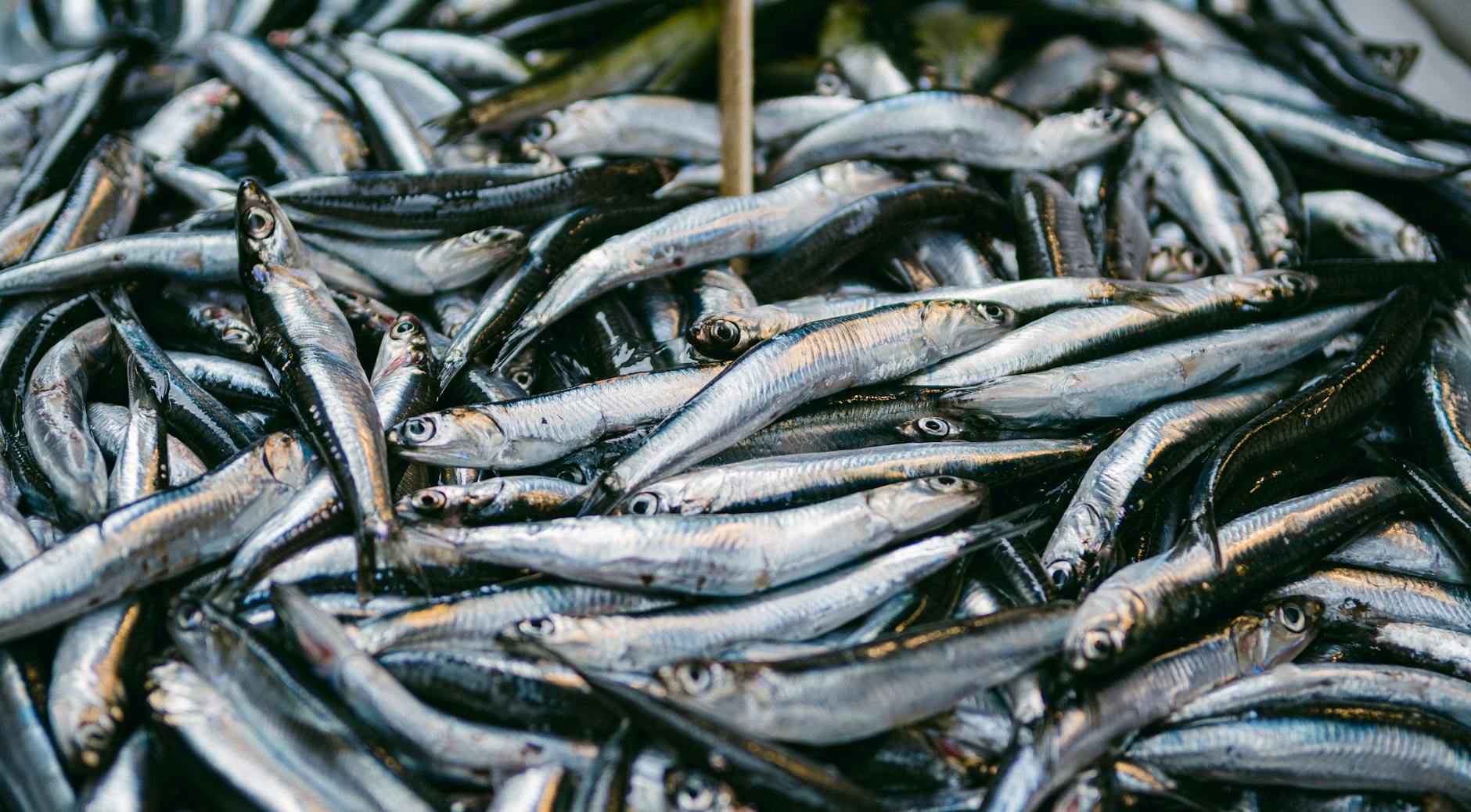
Anchovies disappear into sauces because their delicate connective tissues and small bones break down quickly when exposed to heat and acidic liquids, allowing the fish to essentially dissolve into the base. As they dissolve, they release umami-rich compounds—particularly glutamates and nucleotides like inosinate—that amplify the overall savory depth of a dish without revealing themselves as fish-forward flavors. A classic example is Caesar salad dressing: a single anchovy fillet stirred into mayonnaise, lemon juice, and garlic becomes completely invisible to the palate, yet transforms a simple vinaigrette into something with pronounced complexity that diners can’t quite identify.
This culinary paradox has made anchovies one of the most valuable and misunderstood ingredients across global cuisines. Most consumers have eaten anchovy-enhanced food without recognizing it—from Worcestershire sauce in steakhouses to the umami base of Italian ragù. The fish works as a flavor amplifier precisely because it contains high concentrations of amino acids that our taste receptors recognize as depth and richness rather than fishiness.
Table of Contents
- What Makes Anchovies Dissolve So Completely Into Sauces?
- The Umami Science Behind Flavor Amplification
- Historical Examples Across Global Cuisines
- How to Properly Use Anchovies for Maximum Flavor Impact
- Common Mistakes and When Anchovies Can Backfire
- Anchovy Varieties and Quality Differences
- Modern Culinary Trends and Future of Anchovy Use
- Conclusion
- Frequently Asked Questions
What Makes Anchovies Dissolve So Completely Into Sauces?
The structural composition of an anchovy makes it uniquely prone to breaking down in liquid environments. Unlike heartier fish with dense muscle fibers, anchovies are small, thin-bodied fish with minimal connective tissue binding their flesh together. When subjected to heat above 140°F or placed in an acidic environment (pH below 4), the collagen in their tissue denatures and breaks apart, and the fish literally falls into component proteins and fat globules that integrate seamlessly into surrounding liquids.
This dissolving process happens faster than with almost any other ingredient. A piece of anchovy in tomato sauce will begin to fragment within 10-15 minutes of simmering, compared to hours for chicken or beef. The oil content in anchovies—roughly 12-15% of their body weight—emulsifies into acidic or fat-based sauces, creating a smooth, uniform texture rather than visible fish pieces. This is why chefs in Southern Italy can add a whole anchovy to a pot of beans or tomatoes and have it completely vanish within minutes.
The Umami Science Behind Flavor Amplification
Anchovies contain among the highest natural concentrations of free glutamate—the compound responsible for umami taste—found in any common ingredient. A single gram of anchovy can contain 300-500 milligrams of glutamate, rivaling aged Parmesan cheese. When anchovies dissolve, they don’t just disappear—they transform the flavor profile of whatever they’re in by activating umami receptors on the human tongue, which signals to the brain that a dish contains protein and depth.
The umami effect is non-linear, meaning a small amount of anchovy can create a disproportionately large increase in perceived flavor intensity. This is why professional chefs use anchovies in microdoses. A chef might add just 10 grams of anchovy paste to 2 liters of beef stock, and diners will report the broth tasting “meatier” and more satisfying without any ability to identify fish as an ingredient. However, this also means that using too much anchovy (more than 1-2% of total recipe weight) can backfire, creating an unpleasantly fishy result that defeats the purpose.
Historical Examples Across Global Cuisines
The Romans understood this principle so thoroughly that they built their entire culinary culture around a fermented anchovy-based paste called garum, which functioned as the umami backbone for nearly every savory dish from soups to meat preparations. Modern Worcestershire sauce, created in 1837 England, maintains this approach—anchovies remain one of the primary ingredients despite never appearing on the label or tasting fishy to the consumer. In Asia, fish sauces and anchovy-based dashi broths serve the identical function: they’re invisible flavor multipliers.
Mediterranean coastal regions still rely on anchovies as a hidden ingredient in their kitchen bases. A Provençal cook making ratatouille might dissolve 2-3 anchovy fillets into the initial soffritto, giving the entire finished vegetable dish a subtle savory foundation that no one can pinpoint. Vietnamese pho often uses anchovy-infused broth as its umami base, though the fish is strained out before serving. These traditions didn’t develop because anchovies taste good on their own—they developed because cooks discovered that anchovies consistently made other foods taste better without being identified.

How to Properly Use Anchovies for Maximum Flavor Impact
The key to using anchovies as a flavor amplifier rather than a noticeable fish ingredient is understanding the right application method. Adding anchovy paste or mashed fillets directly to warm acidic liquids (stocks, vinegars, tomato sauces) allows for even dissolution and maximum umami integration. A practical approach: dissolve 1-2 anchovy fillets in a small amount of warm water or lemon juice before incorporating into a larger batch, which helps distribute the umami compounds evenly rather than creating concentrated pockets.
Timing matters significantly. Anchovies should be added early in the cooking process, during the building of flavor bases, not at the end. Adding them at the beginning allows full dissolving and integration; adding them at the end results in partially dissolved fish that remains visible and tastes obviously like fish. The trade-off is that long-simmered stocks (4+ hours) may lose some of the volatile compounds that create the umami punch, so for stocks, anchovies should be added in the final 30-45 minutes rather than at the start.
Common Mistakes and When Anchovies Can Backfire
The most frequent error is adding too much anchovy relative to the total recipe volume, turning a subtle flavor enhancement into an unpleasant fishy taste that dominates the dish. Most home cooks also fail to account for the salt content in preserved anchovies; a single fillet can contain 400-500mg of sodium, meaning you may need to reduce salt elsewhere in the recipe to avoid over-salting. This hidden sodium content is why restaurants using anchovies in hidden umami bases often adjust their salt levels downward compared to standard recipes.
Another limitation: not all sauces accommodate anchovy well. Cream-based sauces, particularly those with delicate flavors like béchamel, can curdle or separate if anchovies are added directly due to their salt and protein content. In these cases, it’s better to prepare an anchovy-infused oil separately and add it at the end, or to skip anchovies entirely in favor of other umami sources like mushroom or miso. Temperature also matters—anchovies added to cold dishes (salad dressings, cold pasta) don’t dissolve as completely and may leave visible fragments unless blended or strained out.
Anchovy Varieties and Quality Differences
Not all anchovies are created equal, and quality dramatically affects both dissolving speed and flavor impact. European anchovies preserved in salt (particularly Mediterranean varieties from Spain, Italy, or Portugal) dissolve more readily and impart cleaner umami than anchovies packed in oil, which can introduce rancid or off flavors if stored improperly. Salt-packed anchovies require rinsing before use, which removes excess sodium but also some of the umami compounds—a trade-off many chefs accept to avoid over-salting dishes.
The freshness of the anchovy also matters. Premium salt-packed anchovies stored in cool conditions can maintain their umami potency for 2-3 years, while oil-packed varieties degrade more quickly once opened. When selecting anchovies, look for dark, consistent color and firm texture; brownish or mushy anchovies have begun to break down prematurely and won’t dissolve cleanly into sauces.
Modern Culinary Trends and Future of Anchovy Use
As interest in umami and “clean label” cooking has grown, chefs increasingly recognize anchovies as a natural umami source superior to MSG or commercial flavor enhancers. This has elevated the status of anchovies from a “hidden ingredient” used by professionals to a trending item on fine dining menus, where whole preserved anchovies appear as garnishes or flavor elements. High-end restaurants now market anchovy-forward dishes explicitly, betting that consumers understand anchovies as sophisticated flavor components rather than fishy add-ons.
The sustainability of anchovy fishing remains a concern—anchovy populations are cyclical and vulnerable to overfishing. As demand rises, the food industry is exploring anchovy alternatives like kelp-based umami powders or farmed fish byproducts. However, because of the unique combination of rapid dissolution and high glutamate content, true anchovies remain unmatched in their ability to disappear while amplifying flavor.
Conclusion
Anchovies disappear into sauces through a combination of their delicate structure, which breaks down rapidly under heat and acidity, and their remarkable umami content, which registers as depth and savory complexity rather than fish flavor. Understanding this mechanism transforms how home cooks and professionals approach flavor building—it reveals that the most powerful ingredients are often those that work invisibly, amplifying other tastes rather than announcing themselves.
For anyone serious about cooking, learning to use anchovies as a flavor tool rather than a dish component opens up significant culinary possibilities. A small amount used at the right moment can transform ordinary dishes into something with restaurant-quality depth, which is precisely why anchovies have remained a staple in professional kitchens for centuries, even as home cooks remained largely unaware they were eating them.
Frequently Asked Questions
Will my dish taste fishy if I add anchovies?
No, if used correctly. Anchovies in small quantities (1-2 fillets per large pot) dissolve completely and amplify savory depth without creating a fish-forward flavor. Over-use is what causes fishiness.
How much anchovy should I add to a recipe?
Start with 1 fillet per 2-3 cups of liquid or 1 teaspoon of anchovy paste per 2 cups. This provides noticeable umami enhancement without risk of over-seasoning.
Should I rinse salt-packed anchovies before using them?
Yes, unless you want the extra sodium. Rinsing removes salt and some bone fragments, though you’ll lose a small amount of umami in the process.
Can I substitute anchovy paste for whole fillets?
Yes, though paste distributes more evenly and integrates faster. Use 1 teaspoon of paste in place of 1-2 fillets, and account for additional salt.
What if I hate the taste of anchovies on their own?
You’re not alone. Most people dislike straight anchovies, which is precisely why they work so well as hidden ingredients. The taste and texture change dramatically when anchovies dissolve into other foods.
Are there any dishes where anchovies definitely shouldn’t go?
Avoid adding anchovies to delicate cream sauces, custards, or desserts. Stick to savory bases: stocks, tomato sauces, vinaigrettes, and braises where acid and heat are present.