How Short Term Political Decisions Can Lead to Long Term Global Consequences
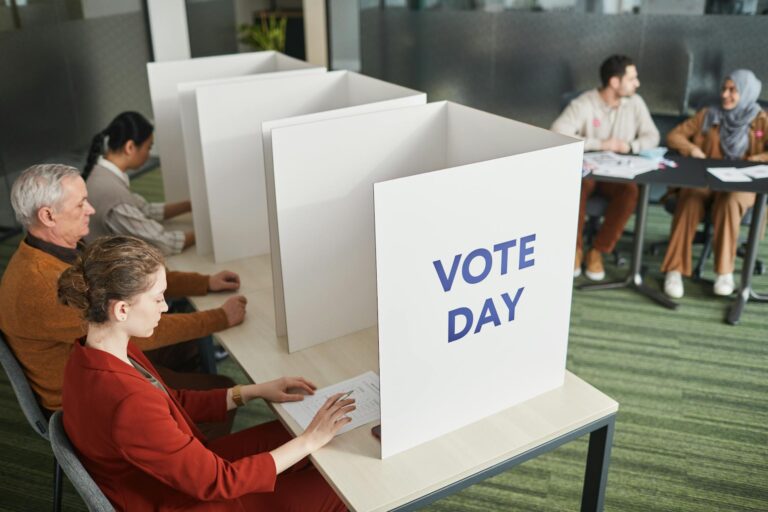
Short-term political decisions—like trade war initiation, central bank rate cuts ahead of elections, or emergency stimulus spending—frequently create...
Short-term political decisions—like trade war initiation, central bank rate cuts ahead of elections, or emergency stimulus spending—frequently create...

Military strategy and long-term planning diverge because organizational structures, promotion incentives, and budgeting cycles systematically reward...

When political decisions clash with economic reality, the economy invariably adjusts—often painfully.

Sanctions and policy changes can crater or stabilize global markets with little warning, as seen in March 2026 when a single Treasury action to stabilize...

Energy prices spike during international conflict because military action disrupts the physical infrastructure and supply routes that move oil, natural...
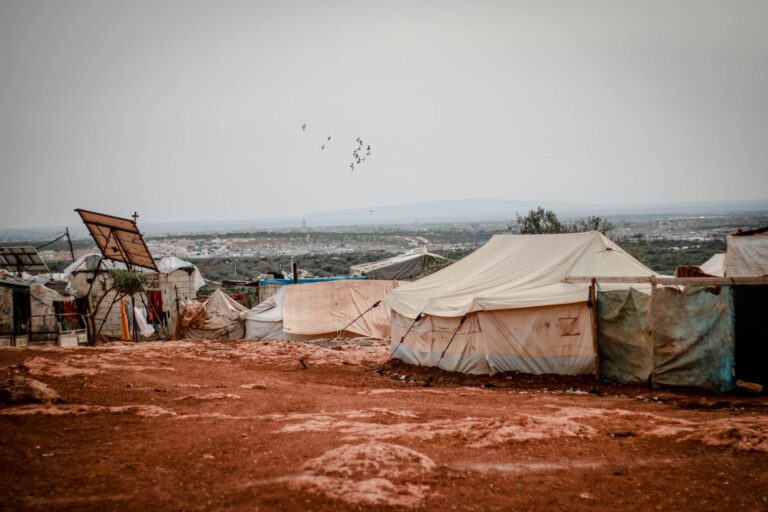
When war disrupts global oil supply chains, the immediate consequence is a dramatic surge in energy prices that ripples through every sector of the global...

Foreign policy decisions directly impact everyday gas prices because they control access to the world's oil supply.
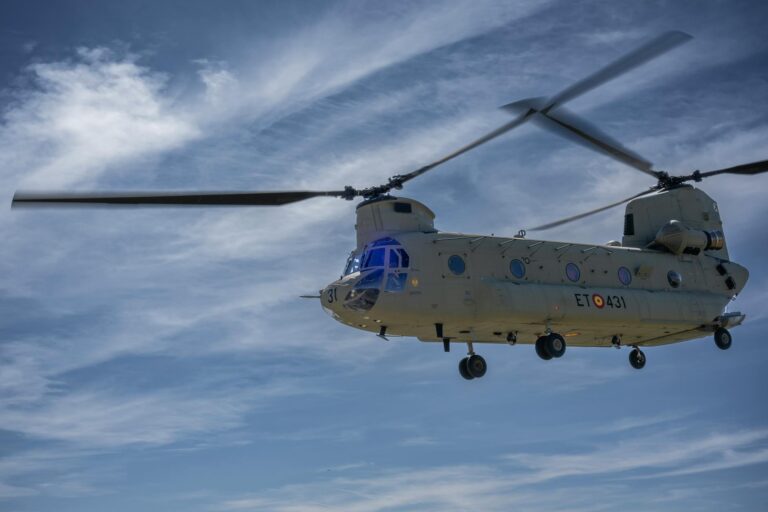
NATO relationships shift after major political decisions primarily through changes in defense spending commitments, bilateral agreements, and strategic...

When international alliances break down during conflict, the immediate consequence is military vulnerability—allies fail to support each other when it...

When the Trump administration requested military support from allied nations in March 2026—specifically asking the UK, China, France, Japan, and South...