AI Inference Investing: Why Theoretical Revenue Is Not the Same as Collected Revenue

Learn how to distinguish AI-inference potential, contracted backlog, recognized sales, and cash actually collected before investing.

Learn how to distinguish AI-inference potential, contracted backlog, recognized sales, and cash actually collected before investing.

A disciplined way to read Apple's memory options as a possible revenue signal without turning menu prices into fake unit data.

Separate supplier stock, customer inventories, pricing power, and contract terms before forecasting the next memory profit cycle.

LFMD carries a securities case, a paid-out privacy settlement, an unfiled California investigation and press reporting the company denies. They sit at completely different places on a risk ledger - only one has a disclosed number attached, and it is not the open-ended one.
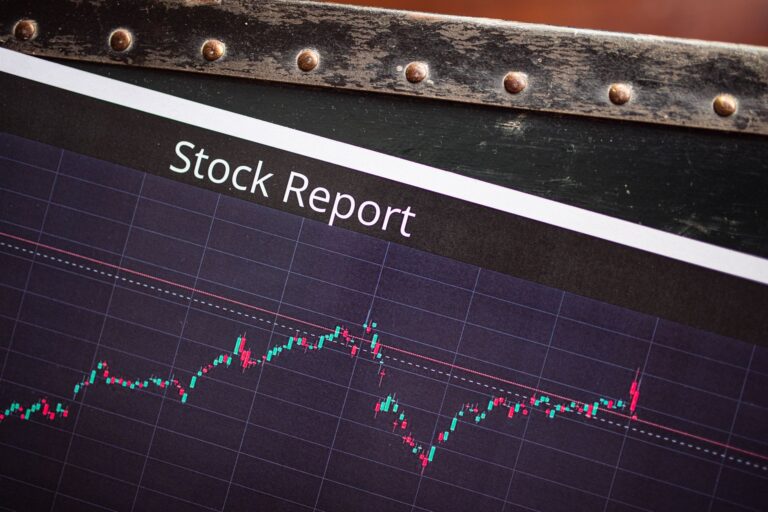
Learn how contracts, capacity shifts, and product mix can turn a compelling memory shortage into a valuation trap.

Test a local AI stock thesis through device readiness, actual usage, revenue exposure, and explicit failure conditions.
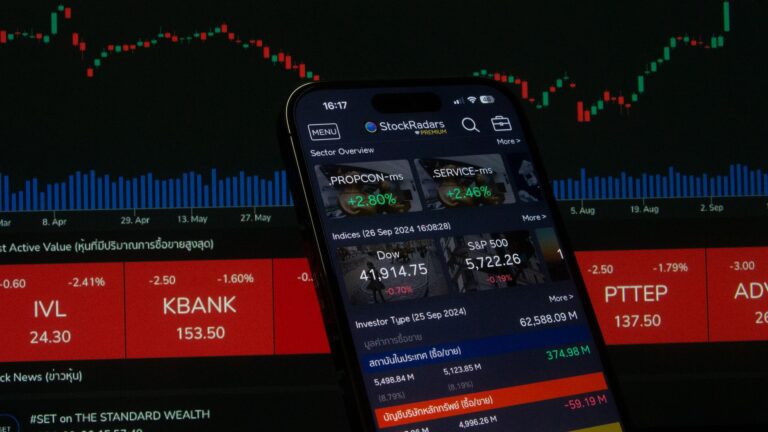
Learn which reported figures can connect high-memory Mac demand to Apple's revenue, margins, EPS, and stock.

A practical framework connects benchmark wins to revenue quality, cash flow, deployment risk, and valuation.
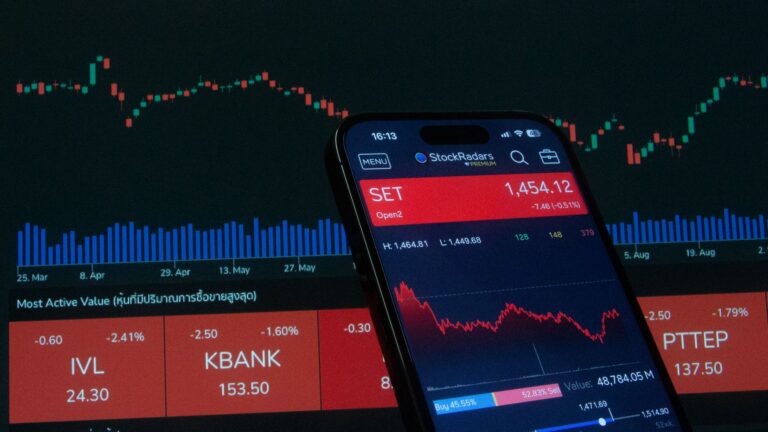
A practical checklist for testing company claims, stock quotes, insiders, advisers, and suspicious investment pitches.
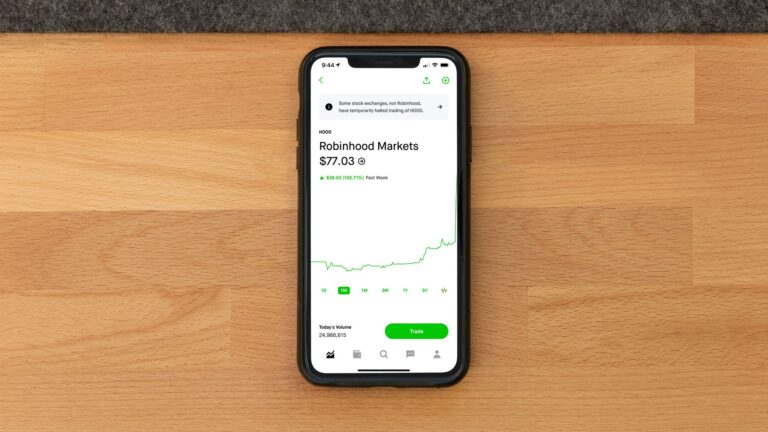
Match stock claims to the correct filing, fiscal period, quote timestamp, and independently verified promoter.