AI Inference Stocks: Which Disclosures Would Make Gross-Margin Claims More Credible?
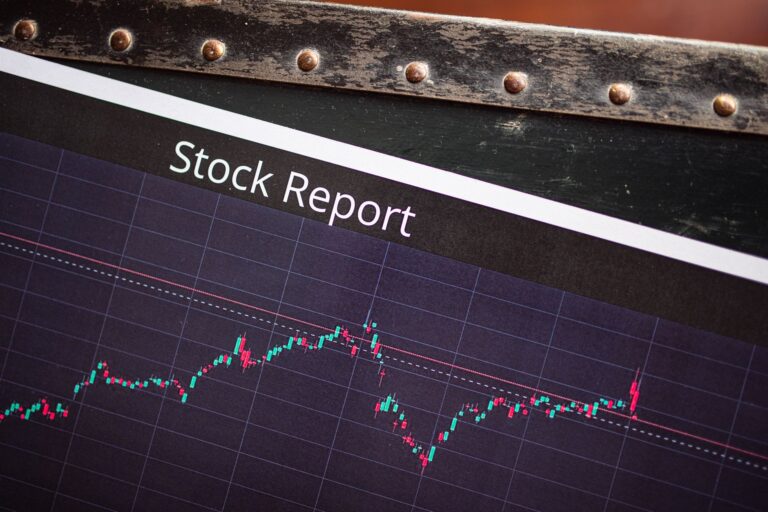
A reader's checklist for separating real AI-compute profitability from depreciation assumptions, backlog headlines, and unreconciled custom margin metrics.

A reader's checklist for separating real AI-compute profitability from depreciation assumptions, backlog headlines, and unreconciled custom margin metrics.

Why identical H100s are quoted from $1.55 to $13 per hour, and the five contract terms to check before comparing any GPU rental price.
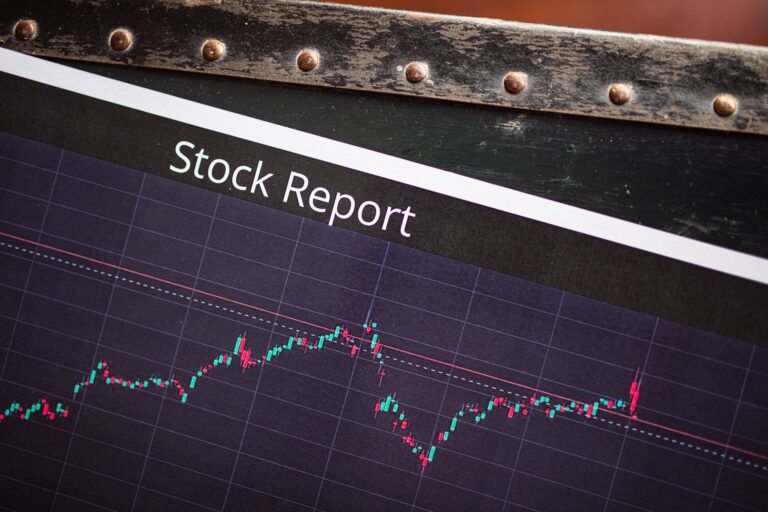
A practical screen for AI inference holdings: which licenses and customer contracts survive a sale, and which quietly do not.

Falling token prices squeeze AI margins, not revenue—here's which hosting stocks are exposed and which are insulated by contracts.

Learn why AI-infrastructure leaders can report strong margins while heavy capacity spending leaves little free cash flow.
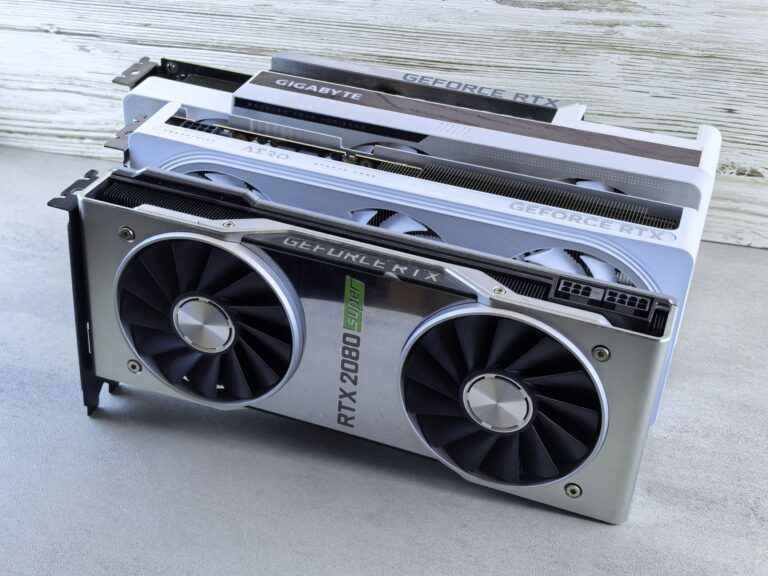
Learn how longer server-life estimates can lift reported AI earnings—and which cash-flow and technology risks investors should still test.

Inference savings currently favor infrastructure, but pricing tiers, batch discounts, and open models increasingly shift leverage to software buyers.

A depreciation schedule records cost over time, but customer economics—not accounting policy—determine how long AI GPU demand lasts.

AI may streamline investing tasks, but household bills need dependable cash flow, reserves, and verified information—not projected returns.

Compare profits, cash left after investment, and AI-related revenue growth to judge whether spending is becoming productive.