
Photographers cull images before importing to reduce the volume of files they move to their primary storage system and to establish quality standards right at the moment of capture. By reviewing images on the camera’s LCD screen immediately after a shoot and deleting the obvious failures, photographers save hard drive space, reduce processing time, and minimize the clutter that comes from transferring thousands of nearly-identical frames. A wildlife photographer returning from a day in the field might have shot 4,000 frames but delete 60 percent of them directly on the camera—keeping only the sharpest expressions, best compositions, and most compelling moments—before ever connecting to a computer.
This practice has become standard workflow for professionals and serious hobbyists because it makes practical and economic sense. Storage costs money, backup procedures take time, and sorting through rejected images later wastes creative energy. The photographer makes the difficult culling decisions while the lighting, the subject matter, and the technical context are still fresh in their mind.
Table of Contents
- Why On-Camera Culling Saves Time and Storage Resources
- The Limitations and Risks of In-Camera Review
- Workflow Timing and Decision-Making in the Field
- Comparing On-Camera Culling to Import-and-Review Workflows
- Advanced Culling Strategies and Common Mistakes
- The Psychology of In-Moment Decisions
- The Future of Culling as Camera and Storage Technology Evolves
- Conclusion
- Frequently Asked Questions
Why On-Camera Culling Saves Time and Storage Resources
On-camera culling is fundamentally about managing scale. A professional sports photographer might shoot 200 frames per minute during a soccer match, generating 20,000 images across five events in a week. without immediate culling, all 20,000 files must be imported, stored, and eventually reviewed—a process that compounds across years of shooting. By deleting duplicates, blurry frames, and out-of-focus images before import, photographers eliminate the cost of redundant storage and backup.
The economics of storage have changed significantly but remain relevant. A photographer who shoots 2 terabytes of images annually must budget for that initial storage, redundant backup drives, and possibly cloud storage services. Removing half of those files directly on the camera cuts these storage costs in half. Beyond just space considerations, the time savings in sorting, cataloging, and later reviewing images is substantial—a photographer who imports 10,000 images instead of 20,000 cuts their curation workload by the same proportion.
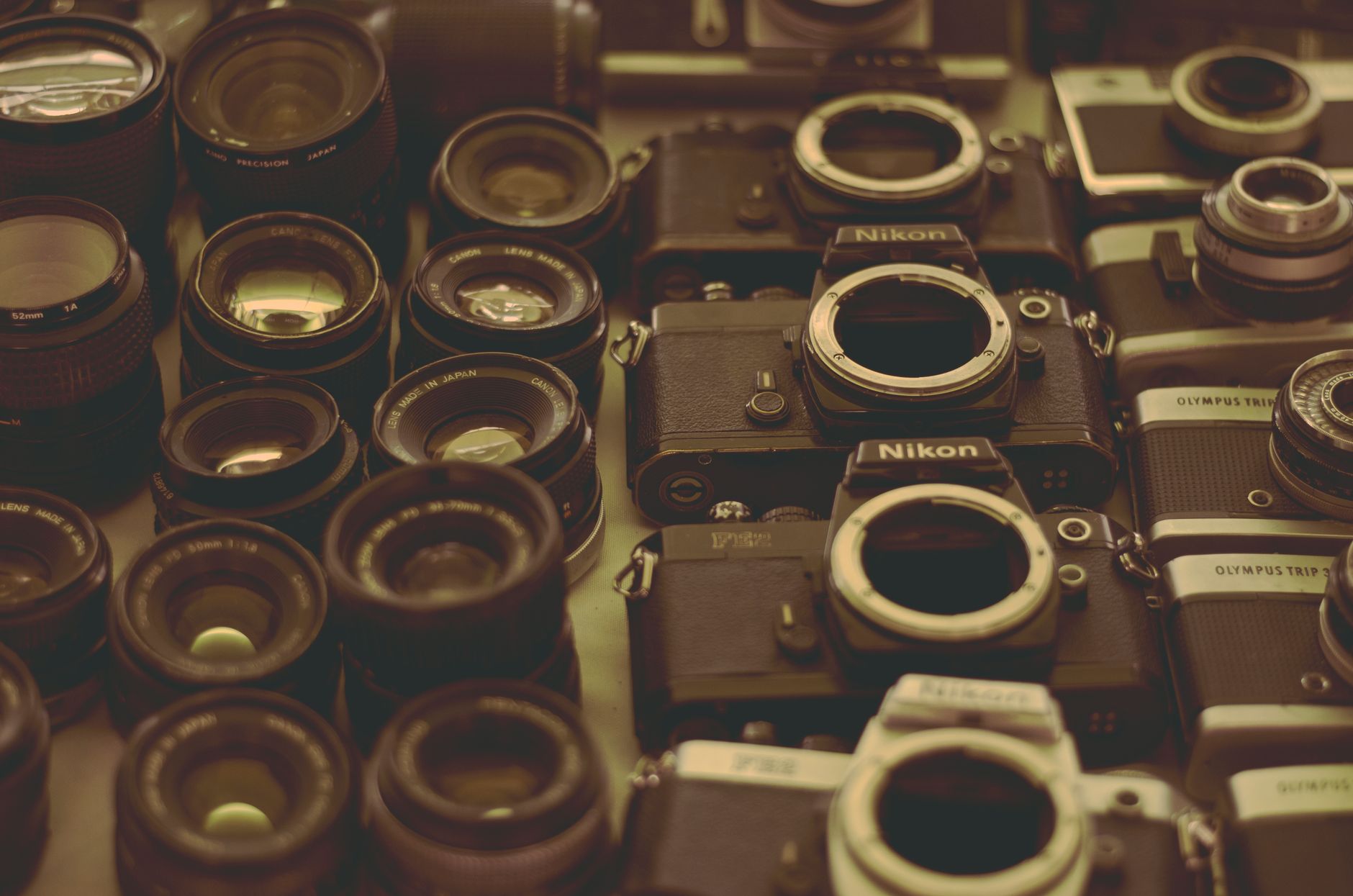
The Limitations and Risks of In-Camera Review
On-camera culling has a critical limitation: small LCD screens and poor lighting conditions make accurate assessment difficult. A photograph that appears sharp on the camera’s rear display in bright sunlight may show motion blur or focus issues when examined on a full-size monitor in a controlled environment. A sunset image that looks properly exposed on the camera’s back screen might be underexposed when compared to the actual scene, while another image might be selected only to reveal distracting elements in the background once viewed at 100 percent magnification on a computer monitor.
The irreversible nature of on-camera deletion creates risk. Once a file is deleted from the camera’s memory card, recovery is possible but requires special software and expertise, and the file is no longer immediately accessible during the import and review process. Professional photographers often cite the mistake of deleting a frame that later proved to be essential—the one moment when a subject’s expression was perfect, even if the photographer didn’t realize it in the moment. This risk is why many photographers prefer to be conservative with on-camera culling, deleting only the most obvious failures and reserving final selection for the computer editing phase.
Workflow Timing and Decision-Making in the Field
The timing of culling decisions affects the photographer’s thinking process. Culling immediately after capturing images—while standing in the field or at the event—allows the photographer to make decisions based on fresh context. The photographer knows what conditions existed, what adjustments were made to camera settings, and what happened in the moments immediately before and after each frame was captured. This contextual knowledge is valuable for understanding why an image succeeded or failed.
For example, a portrait photographer might delete a frame showing a client with closed eyes and immediately see the next frame with perfect expression, making the decision straightforward. In contrast, an image that appears mediocre in isolation might be the only photograph capturing a specific moment—the only shot where all three family members are looking at the camera simultaneously. These decisions require judgment, and that judgment is sharpest at the moment of capture. However, the photographer must balance this advantage against the limitation that on-camera review happens under imperfect conditions—different lighting, smaller screen size, and no ability to zoom into the image and assess critical focus.

Comparing On-Camera Culling to Import-and-Review Workflows
Some photographers skip on-camera culling entirely and perform all curation after importing images to their computers. This approach eliminates the risk of accidentally deleting a valuable image and allows for more accurate assessment using large monitors in a controlled environment. However, this workflow results in importing and backing up significantly more files, and the photographer must later spend hours culling, which delays the transition to creative editing work.
A photographer’s time spent on mechanical culling decisions is time not spent on actual editing and finishing images for clients. The tradeoff is straightforward: on-camera culling trades the small risk of missed images for larger gains in storage efficiency and streamlined workflow. Photographers working with burst mode and high-speed shooting—such as sports and wildlife photographers—tend to favor on-camera culling because their shooting method generates such a volume of near-identical frames that the risk of accidentally deleting a keeper is outweighed by the practical benefit of managing file volume. In contrast, photographers who shoot methodically, using lower frame rates and being more selective about when to press the shutter, may prefer to import everything and decide later, when they can examine each image carefully on a large display.
Advanced Culling Strategies and Common Mistakes
Experienced photographers develop systematic approaches to on-camera culling to reduce errors. Some photographers use their camera’s rating system before deleting, marking keepers with star ratings or color flags before committing to deletion. This approach allows for a safety period—the images remain on the card but are clearly marked as rejects—and provides a second opportunity to review flagged images before final deletion.
Others cull immediately after reviewing each shot, making quick binary decisions: does this image work or doesn’t it? A common mistake is culling in poor lighting conditions where the camera’s screen is difficult to read. A photographer culling images while standing in bright sunlight or in dim indoor lighting makes different decisions than one reviewing the same images indoors on a computer. The exposure may appear correct on the camera’s screen under certain conditions but prove to be obviously wrong when examined on a calibrated monitor. Additionally, photographers sometimes delete based on incomplete information—culling before the full frame has fully loaded on the camera’s display, or not fully examining the image’s edges and corners where problems are often hidden.
The Psychology of In-Moment Decisions
On-camera culling forces photographers to confront their work immediately, in a state where the creative energy of shooting is still present. This can lead to good decision-making, where the photographer instinctively knows which moments were strong, but it can also result in premature judgment. A photographer might discard an image simply because the technical execution seems imperfect, without considering whether the image captures a unique or valuable moment that justifies accepting less-than-perfect sharpness or exposure.
Conversely, a photographer might keep a technically polished but compositionally uninteresting image simply because it appears sharp. This psychological element is why many professional photographers recommend reviewing contact sheets or thumbnails during an initial culling phase on the computer, using that objective viewing as a guide for future shooting. The discipline of immediate culling on the camera teaches photographers to be more intentional about what they shoot, potentially reducing frame count from the start.
The Future of Culling as Camera and Storage Technology Evolves
As camera storage capacity increases and cloud storage becomes more integrated into workflows, the practical pressure to cull on the camera decreases. Newer cameras offer faster file transfer speeds and larger buffer capacities, allowing photographers to review more images more quickly on the computer. However, the fundamental principle that culling is more efficient when done closer to the moment of capture remains valid—the photographer’s understanding of what happened during the shoot deteriorates over time.
Automated culling features are beginning to appear in camera firmware and post-processing software, using machine learning to identify blurry frames, faces with eyes closed, or images outside the photographer’s established technical parameters. However, these tools remain imperfect and cannot replicate the editorial judgment that distinguishes a worthy image from a reject. The future of culling will likely involve a hybrid approach: automated tools handling obvious failures and flagging candidates for review, while photographers focus their attention on the subjective artistic decisions.
Conclusion
On-camera culling before importing remains a practical necessity for photographers managing large volumes of images, offering clear advantages in storage management, cost reduction, and workflow efficiency. The practice requires discipline and awareness of its limitations—particularly the difficulty of accurate assessment on a small screen under variable lighting conditions—but these drawbacks are manageable through systematic approaches and conservative decision-making thresholds.
For photographers beginning to develop their workflow, the optimal approach typically involves culling only the most obvious failures on the camera while importing everything else, then performing final curation on the computer where accurate assessment is possible. As photographers gain experience and shooting patterns become more familiar, they can push culling earlier and more aggressively in the workflow, balancing confidence in their judgment against the irreversible nature of deletion.
Frequently Asked Questions
Can I recover images I deleted on my camera?
Recovery is technically possible using specialized data recovery software, but the image files must be recovered from the memory card before new images overwrite the deleted data. Professional recovery services are expensive and may not succeed. Prevention through careful decision-making is preferable to relying on recovery as a backup strategy.
Should I use my camera’s rating system before deleting images?
Yes, rating or flagging images as rejects before deletion provides a safety period and allows for a second look before permanent deletion. Some photographers mark images as “flagged for review” rather than immediately deleting, then conduct final culling once they’ve imported images to their computer.
Is on-camera culling necessary for casual photographers?
Not necessarily. Casual photographers shooting at lower volumes can import all images and cull entirely on the computer, where assessment is more accurate. The time and storage savings of on-camera culling are less significant for photographers capturing hundreds rather than thousands of images per session.
How do I avoid deleting important images during on-camera review?
Apply strict criteria before deleting—only remove images that are obviously blurry, clearly out of focus, or show complete technical failure. Leave images that are borderline sharp or compositionally questionable for final review on the computer, where accurate judgment is possible.
Does culling on the camera affect my creative process?
For some photographers, immediate culling reinforces intentional shooting practices and creates discipline around composition. For others, it creates pressure to make final decisions under suboptimal conditions. Experiment with both approaches—full import with later culling versus on-camera culling—to determine which supports your creative process.
What if my camera’s LCD screen is unclear or hard to read?
This is a legitimate limitation of on-camera culling. If your camera’s screen is poor quality or difficult to view in bright conditions, culling on the camera becomes unreliable. In this case, import more images and reserve culling for the computer, where you have accurate control over viewing conditions and display quality.