
Elite athletes sleep 10 hours or more each night because their bodies demand more recovery than the general population. Unlike the 7-9 hours recommended for average adults, top-performing athletes face physiological demands during training and competition that require extended sleep periods to repair muscle tissue, consolidate neural patterns, and regulate hormones. The simple answer: their bodies literally need that time, and research shows they still fall short of their actual recovery needs. The performance gap is measurable.
Basketball players who extended their sleep to 10 hours nightly improved their shooting accuracy by 9 percent, with improvements visible in both free throws and three-point shots. Tennis players improved serve accuracy from 36 percent to 42 percent with similar sleep extensions. These aren’t marginal gains—in elite sports where competitions are decided by fractions of a percent, sleep becomes as much a performance tool as training itself. Yet here’s the paradox that defines modern athletics: despite knowing sleep’s critical role, only 3 percent of athletes actually meet their own sleep requirements. The remaining 97 percent operate in a state of chronic sleep debt, trying to perform at peak levels while their bodies remain under-recovered.
Table of Contents
- How Many Hours Do Elite Athletes Actually Need?
- Why Sleep Doesn’t Just Prevent Fatigue—It Builds Performance
- The Reality Gap—Why Most Athletes Still Under-Sleep
- How Top Athletes Actually Achieve Extended Sleep
- Age and Individual Variation in Sleep Needs
- Sleep Debt and Cumulative Performance Loss
- The Future of Sleep in Athletic Performance
- Conclusion
How Many Hours Do Elite Athletes Actually Need?
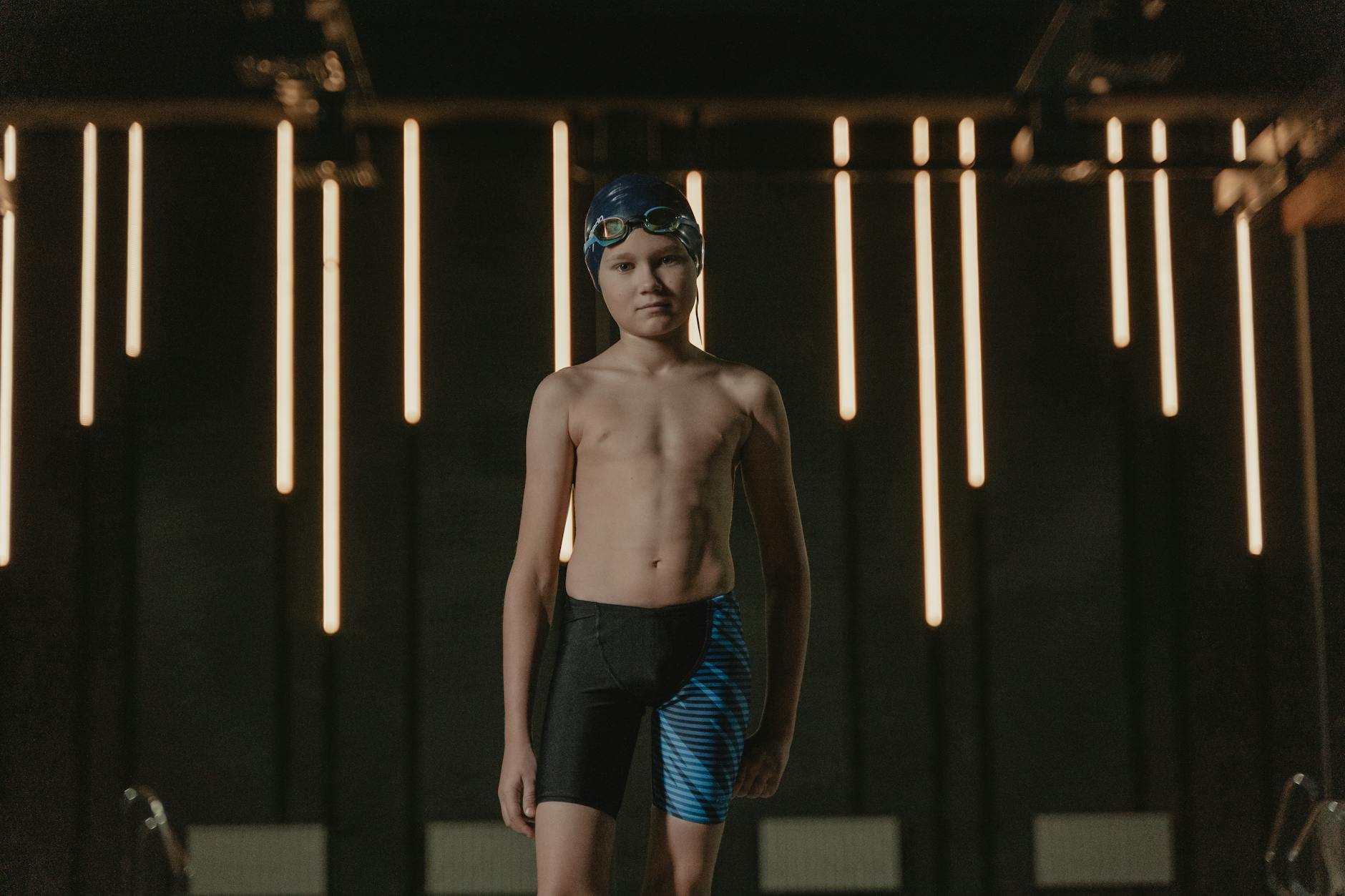
The standard recommendation of 9-10 hours for elite athletes represents a significant jump from general population guidelines, but this number isn’t arbitrary. It reflects the cumulative demands of high-intensity training, metabolic stress, and neural recovery that recreational athletes don’t face. A college swimmer might complete two-hour training sessions twice daily, pushing muscle fibers to their limits and creating massive physiological debt that sleep must repay. Research from Stanford measured this directly. College swimmers who averaged 10 hours of sleep showed measurable improvements in reaction times off diving blocks, turn times in the pool, and the efficiency of their kick strokes.
These improvements weren’t from better coaching or harder training—they came solely from additional sleep. Similarly, basketball studies showed that moving from 7-8 hours to 10 hours produced consistent gains in both accuracy and decision-making speed. The range of 9-10 hours works for most elite athletes, but individual variation is significant. some athletes truly function optimally at 11 hours, while others see diminishing returns beyond 9.5 hours. Age matters too, with adolescent athletes often needing more sleep than adult athletes because their bodies are simultaneously recovering from training and managing the physiological demands of growth.
Why Sleep Doesn’t Just Prevent Fatigue—It Builds Performance
The limitation most athletes encounter is assuming that sleep simply recovers them to baseline. Actually, sleep actively builds athletic capability. During deep sleep, the body releases human growth hormone (HGH), which repairs damaged muscle fibers and builds new tissue through protein synthesis. This isn’t recovery—it’s adaptation. without sufficient deep sleep, the training stimulus doesn’t translate into improved capacity. The injury prevention data reveals how critical this becomes. Research on NCAA Division I basketball players found that each additional hour of sleep reduced injury risk by 43 percent, measured by next-day injury occurrence.
This isn’t correlation; the physiological mechanism is direct. Sleep deprivation impairs proprioception, reaction time, and muscle stabilization—the exact systems that prevent injuries during competition and training. An athlete sleeping 7 hours faces substantially higher injury risk than one sleeping 10 hours, even during identical training loads. One warning: more sleep doesn’t create unlimited performance gains. The relationship isn’t linear. The first hour of additional sleep produces the largest improvements; the tenth hour produces smaller gains. Athletes who eventually reach 12-13 hours sometimes experience diminishing returns or even slight performance decrements, though this varies individually. Sleep quality also matters more than raw hours—10 hours of fragmented, poor-quality sleep won’t produce the same benefits as 9 hours of consolidated, deep sleep.
The Reality Gap—Why Most Athletes Still Under-Sleep
The disconnect between knowledge and practice defines modern athletics. Sports science has provided conclusive evidence that sleep drives performance, yet 97 percent of athletes fail to meet their own sleep requirements. This gap exists partly because training culture glorifies intensity while minimizing recovery, and partly because modern life—competition schedules, social demands, academic requirements for college athletes—makes 10-hour sleep difficult to achieve. A college athlete might intellectually understand that sleep matters. Their coach might even mention it.
But when that athlete faces an early practice session, evening classes, and social commitments, 10 hours becomes nearly impossible without genuine commitment and schedule redesign. Professional athletes in major leagues have resources—sleep specialists, controlled environments, recovery protocols—that college and amateur athletes lack. The 3 percent who actually meet their sleep requirements typically have external support structures protecting that sleep. The practical warning is that knowledge of optimal sleep rarely translates into behavior change without structural changes. Simply telling an athlete to sleep 10 hours works about as well as telling someone to eat better without addressing their grocery budget or schedule. The athletes who actually achieve 10 hours typically redesign their entire daily schedule to protect that time—shifting practices, eliminating discretionary activities, and sometimes competing at reduced levels in other areas of life.
How Top Athletes Actually Achieve Extended Sleep
Successful athletes approach sleep with the same intentionality they apply to training. This means setting consistent sleep and wake times, treating sleep as a protected appointment rather than something that happens when time permits. Some athletes shift training times to accommodate sleep; others reduce evening social commitments entirely. The tradeoff is real—protecting 10 hours of sleep means giving up flexibility elsewhere. Environmental optimization matters significantly.
Elite athletes often invest in high-quality mattresses, blackout curtains, temperature control, and eliminating screens an hour before bed. These details feel minor compared to training intensity, but they directly impact sleep quality and the amount of deep sleep achieved. An athlete sleeping 10 hours on a poor mattress might achieve only 6 hours of deep, restorative sleep, while someone sleeping 9 hours on an optimized sleep system might achieve 7 hours of deep sleep—a substantial difference in recovery capacity. Some high-performing athletes also use strategic napping. Rather than fighting for one long 10-hour block, they might achieve 8 hours at night plus a 90-minute afternoon nap, structuring the timing to capture full sleep cycles. This requires schedule flexibility that many athletes lack, but for those who can implement it, the additional REM and deep sleep during naps genuinely augments recovery.
Age and Individual Variation in Sleep Needs
Recent research from 2024-2025 emphasizes that sleep requirements vary meaningfully across age groups. Adolescent athletes often need more sleep than adults—sometimes 9-11 hours—because their bodies are managing both training recovery and growth-related development. This means a 17-year-old swimmer requires more sleep than a 25-year-old professional swimmer doing identical training. This is a limitation of one-size-fits-all sleep recommendations; athletes need to understand their own physiological category. Adult athletes typically optimize at 8-10 hours, while older athletes sometimes show improved performance and recovery with slightly less sleep—often 8-9 hours—as long as sleep quality remains high. The warning here is that individuals vary substantially.
Some athletes genuinely function optimally at 9 hours; others need 11. Personalizing sleep based on performance metrics—shooting accuracy, reaction time, injury rates—works better than following generic recommendations. Individual sleep debt also matters. An athlete who’s been under-sleeping for months carries accumulated sleep debt that can’t be repaid in a single 12-hour night. Recovery from chronic sleep deprivation requires consistent, adequate sleep across weeks, not heroic catch-up efforts. This is why championship athletes often peak after periods where they’ve protected sleep rigorously—their bodies have finally cleared accumulated deficit.

Sleep Debt and Cumulative Performance Loss
The most insidious aspect of chronic sleep restriction is that athletes adapt to it, making the performance loss invisible. An athlete sleeping 7 hours nightly doesn’t consciously feel impaired; they simply perform at a reduced ceiling. If they’ve never experienced 10 hours of sleep, they don’t recognize what they’re missing. Only when an athlete increases sleep do they retrospectively realize how much their previous performance had been suppressed.
Research tracking this shows that cumulative sleep debt compounds performance loss. An athlete short one hour per night accumulates seven hours of debt weekly, roughly equivalent to losing an entire night of sleep. Over a competitive season, this debt might cost them 5-10 percent of performance—the difference between winning and placing second in high-level competition. The limitation is that this loss occurs gradually, making it difficult to connect cause to effect.
The Future of Sleep in Athletic Performance
Sports science is increasingly treating sleep as a training component rather than recovery decoration. Progressive athletic programs now have sleep protocols as rigorous as training regimens, with sleep science specialists on staff. Wearable technology is making it easier for athletes to track sleep quantity and quality, creating feedback loops that help athletes understand their individual sleep-performance relationships.
The emerging insight is that different training loads require different sleep amounts. High-intensity competition weeks might require 10-11 hours, while lower-volume training weeks might optimize at 8-9 hours. Future athletes will likely customize sleep based on upcoming competition intensity and current training load, much like they periodize training. This represents a shift from thinking about optimal sleep as a fixed number to viewing it as a variable that must match physiological demand.
Conclusion
Athletes sleep 10 hours or more because their bodies genuinely require that much time to repair training damage, consolidate neural adaptations, and regulate the hormonal systems that drive performance. The evidence is conclusive: sleep directly improves performance metrics, reduces injury risk, and enables the physiological adaptations that training stimulates.
Yet the gap between this knowledge and actual behavior remains enormous, with 97 percent of athletes chronically under-sleeping despite knowing better. The practical reality is that achieving 10 hours of sleep requires treating it as seriously as any training component—protecting time, optimizing environment, and potentially reorganizing daily schedules. For athletes serious about maximizing performance, sleep is no longer optional recovery but mandatory performance enhancement, on par with nutrition and training itself.