
The raw, unfinished hem of premium jeans represents more than just an aesthetic choice—it’s a defining feature that premium denim brands charge a premium for. When you need to shorten jeans to fit properly, you face a genuine dilemma: the original raw edge that took months or years to develop the perfect fading and texture will be lost if you simply cut and stitch a traditional hem. The good news is that several methods exist to preserve that distinctive raw edge while still achieving a proper fit.
The key is understanding which approach matches your jeans’ weight, fabric, and intended look. Unlike mass-market jeans with finished hems, high-quality raw denim demands a different approach. A pair of Japanese selvedge jeans or premium American denim can be hemmed while maintaining the original edge characteristics, though the process requires either specialized tailoring skills or acceptance of minor changes to the final appearance. The cost of professional raw-edge hemming typically ranges from $30 to $60, depending on your tailor’s expertise, versus $15 to $25 for a standard hem.
Table of Contents
- What Does Preserving the Original Edge Mean for Denim Quality?
- The Challenge of Maintaining Fabric Integrity During Hemming
- Chain Stitch Hemming as the Gold Standard for Raw-Edge Preservation
- Practical Steps for Hemming at Home Versus Professional Tailoring
- Common Pitfalls When Attempting Raw-Edge Hemming
- The Economics of Raw-Edge Preservation
- The Future of Denim Hemming and Design Innovation
- Conclusion
- Frequently Asked Questions
What Does Preserving the Original Edge Mean for Denim Quality?
The raw, finished edge of quality denim comes from the selvedge—the natural edge of the fabric created during the weaving process. This edge features a tightly woven line, often with a brand’s name or design woven directly into it. When a tailor creates a traditional hem, they cut straight through this edge, destroying years of development. Preserving this edge means finding ways to shorten the inseam without cutting through the selvedge area.
most raw-edge hemming approaches involve folding the hem inward rather than cutting straight across. A professional tailor will measure the required hem length, then fold the fabric so that when worn at the proper length, the original selvedge edge sits at the cuff. This method works best on jeans that don’t require excessive shortening—typically 2 to 4 inches. If your jeans need 5 or more inches removed, preserving a completely original edge becomes problematic, and you’ll need to decide whether the extra length justifies the compromise.

The Challenge of Maintaining Fabric Integrity During Hemming
Raw-edge hemming presents a fundamental challenge: the methods used to preserve the edge often create slightly thicker or stiffer cuffs compared to the original hem. When a tailor folds the fabric instead of cutting it, they’re essentially doubling the thickness of the hem area. On heavy denim (12 to 16 ounces per square yard), this doubled layer can create noticeable bulk at the ankle, affecting how the jeans drape and stack.
The other significant limitation is that folded hems tend to fray more than factory-finished hems, especially after repeated washing and wearing. The integrity of the raw edge will change over time as the fold line experiences stress. some wearers accept this as part of the denim’s evolution and character, while others find the gradual unraveling frustrating. Testing this approach on a less expensive pair of raw denim first is advisable—you might discover that the aesthetic doesn’t align with your expectations.
Chain Stitch Hemming as the Gold Standard for Raw-Edge Preservation
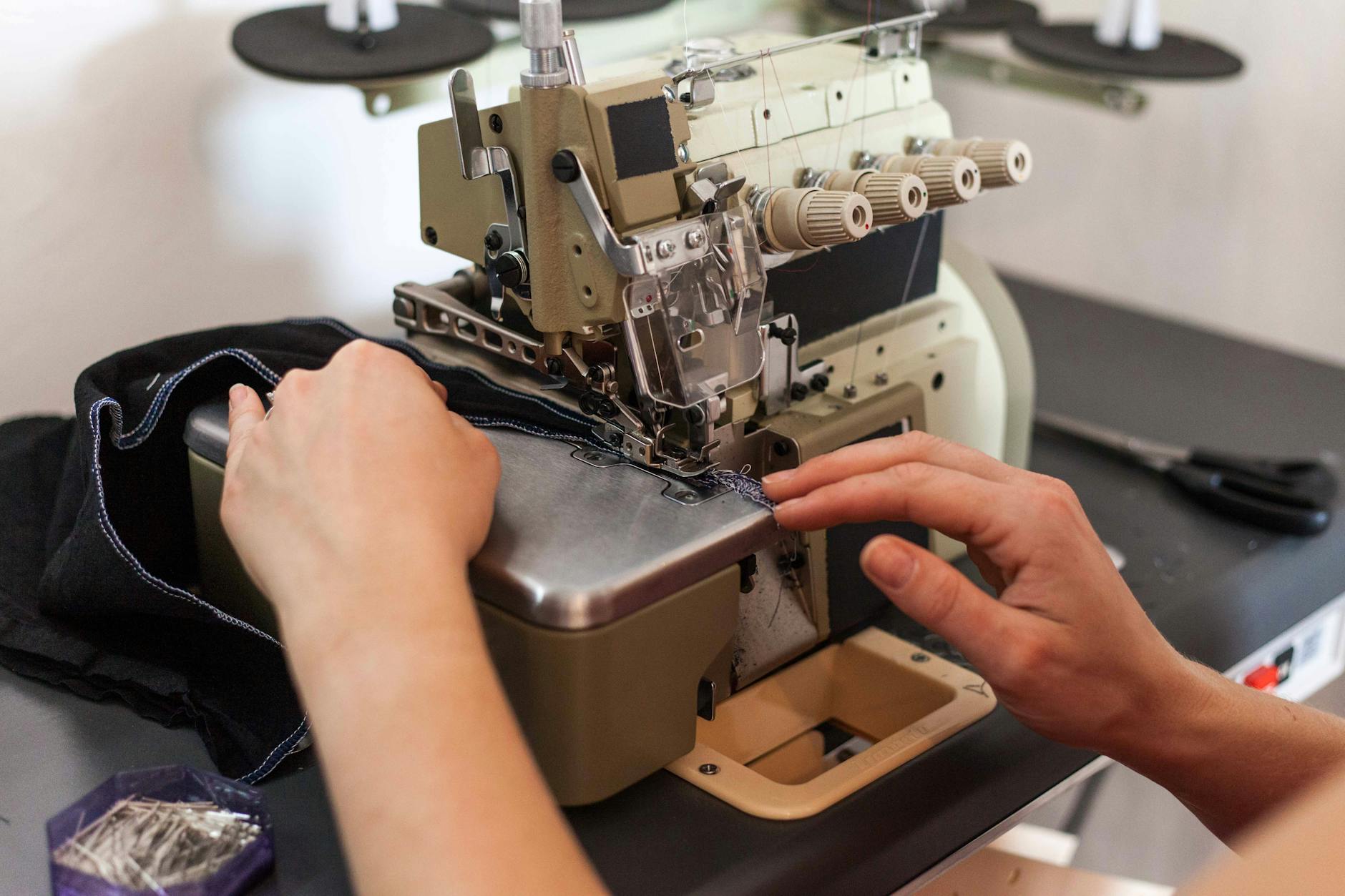
Chain stitch hemming, traditionally used by Japanese denim manufacturers, offers the best method for preserving raw edges. This technique uses a specialized machine that creates a visible, thread-based stitch running parallel to the hem line. The chain stitch sits on top of the fabric rather than binding it, which means the original raw edge can remain visible from the inside of the cuff. The result maintains the authentic character of the jeans while creating a secure, flexible seam.
A concrete example: a pair of $300 Japanese raw denim jeans with a beautifully faded 2-inch raw hem edge hemmed with chain stitch will retain that distinctive edge fully intact. The chain stitch itself becomes a design element, visible as a colored thread (often matching the original factory stitch) running along the cuff. However, finding a tailor with a chain stitch machine in most American cities requires research. Many established denim communities and denim-focused boutiques maintain relationships with tailors offering this service, but expect to pay $45 to $75 for the work.
Practical Steps for Hemming at Home Versus Professional Tailoring
If you decide to hem at home, the raw-edge approach requires hand stitching using a ladder stitch or whip stitch. These methods fold the hem inward and create an essentially invisible seam from the outside while preserving the interior edge. The process is time-consuming—expect 45 minutes to 90 minutes for a complete pair of jeans—but the material cost is minimal. You’ll need heavy-duty thread, a needle suitable for denim thickness, and basic sewing skills.
The tradeoff between DIY and professional work is clear: home hemming saves money but risks uneven stitching, potential tears in the delicate selvedge area, or seams that fail under the stress of repeated wear. Professional tailoring costs more but guarantees durability and clean execution. For jeans under $80, many people reasonably choose standard hemming to save money. For premium denim over $150, professional raw-edge hemming becomes a worthwhile investment in maintaining the garment’s integrity.
Common Pitfalls When Attempting Raw-Edge Hemming
One frequent mistake is having a tailor completely unfamiliar with raw denim handling attempt the hem. A general tailor experienced only in casual pants might not understand why cutting straight through would be problematic or might not have the patience to work with the fold-based approach. Always verify that your tailor has experience with raw denim before handing over your jeans. Ask to see photos of previous work or ask them specifically about their raw-edge approach.
Another warning involves wet-hemming decisions. Raw denim shrinks, sometimes substantially, depending on the specific fabric and washing method. Some tailors recommend hemming after the initial wash and shrink cycle, while others work with unwashed lengths. This decision affects the final inseam length by 1 to 2 inches on unsanforized denim. Making the wrong call here can result in jeans that are either too long or require a costly re-hem later.

The Economics of Raw-Edge Preservation
The financial calculation matters for most people. A $50 pair of mass-market jeans don’t justify a $50 raw-edge hem. The value proposition only makes sense once you’re investing in mid-to-premium denim, typically $120 or higher.
At that price point, the additional $30 to $50 for specialized hemming becomes a reasonable insurance policy against damaging an expensive purchase. Some denim brands explicitly market their products for raw-edge preservation, often including hemming information in the care tags. Brands like Iron Heart, Naked & Famous, and Pure Blue Japan expect customers to invest in proper hemming. This market positioning reflects the quality expectations of their customer base and provides another signal that preservation-focused hemming makes economic sense.
The Future of Denim Hemming and Design Innovation
As raw denim has grown in popularity beyond niche communities, more tailors and alterations shops are developing expertise in preservation hemming. Some contemporary denim brands are beginning to offer made-to-measure hemming services directly, calculating inseam length during ordering to eliminate the need for post-purchase alterations entirely.
This trend suggests that raw-edge preservation might become standard rather than specialized over the next five years. The broader shift toward durability and longevity in fashion—moving away from fast fashion—makes raw-edge preservation philosophically aligned with modern consumer values. Hemming jeans to preserve their original character reinforces the idea that quality garments deserve care and investment beyond the initial purchase.
Conclusion
Preserving the original raw edge while hemming jeans is entirely possible through chain stitch hemming, fold-based approaches, or professional hand stitching. The method you choose depends on your budget, the quality of your jeans, and your willingness to seek out specialized tailors.
For premium raw denim, the additional cost of preservation-focused hemming is justified by protecting an investment in quality craftsmanship. Your next step should be identifying tailors in your area experienced with raw denim, getting quotes for the specific method you prefer, and asking to see examples of their previous work. If no suitable tailor exists nearby, denim-focused online communities and boutiques can often provide referrals or mail-in services that specialize in this kind of work.
Frequently Asked Questions
Will my raw-edge jeans shrink after I have them hemmed?
Yes, unsanforized denim will continue to shrink slightly even after professional hemming, typically 0.5 to 1.5 inches in length. Work with your tailor to determine whether hemming should happen before or after initial wash and break-in.
Can I get a chain stitch hem if the original hem wasn’t chain stitched?
Yes, but the new stitch will create a visible difference in the thread color and style compared to the original factory stitch. This is often considered an acceptable aesthetic trade-off by raw denim enthusiasts.
How much length can I remove while preserving the original edge?
Generally, remove no more than 4 inches while attempting edge preservation. Anything beyond that requires cutting into or removing the selvedge entirely, defeating the purpose.
Will a folded hem look different than the original once it wears in?
Yes, the fold will eventually develop character through wear and washing, softening and relaxing slightly. Some wearers find this evolution desirable; others find the transition period aesthetically awkward.
Is raw-edge hemming worth the cost for affordable denim?
Only if the jeans cost significantly more than the hemming service. For jeans under $100, a standard hem is more economical unless the jeans have exceptional sentimental value.
What happens if my tailor doesn’t understand raw denim?
They may cut straight across and destroy the original edge, or they may refuse the job entirely. Always verify experience before committing your jeans to their care.