
When photographers face the decision of where to invest their equipment budget, the conventional wisdom often points toward acquiring the latest, most advanced camera body. Yet the data tells a different story: a premium lens paired with an entry-level camera body consistently produces objectively better images than a professional camera body equipped with a kit lens. The lens determines what actually reaches the sensor—its sharpness, clarity, distortion characteristics, and the way light is rendered. The camera body merely processes that light once it arrives. This fundamental distinction makes lens selection the primary driver of image quality and, critically for investors in photography equipment, the better long-term investment.
The reason this matters extends beyond pure image quality. For working photographers, this principle translates directly to economic value. Professional photographers consistently prioritize upgrading lenses before bodies precisely because lens quality acts as a bottleneck for overall image quality. A viewer examining a photograph can instantly detect poor lens quality through softness, distortion, or chromatic aberration, but cannot reliably determine whether the image came from a $1,000 or $6,000 camera body. This observable reality shapes purchasing decisions across the industry—and it should shape yours, whether you’re a hobbyist or someone with financial stakes in photography equipment.
Table of Contents
- Why Does Lens Quality Have Greater Impact Than Camera Body Specifications?
- The Depreciation Problem: Why Lens Investment Protects Your Capital
- The Optical Bottleneck: How Poor Lens Performance Limits Sensor Capabilities
- The Investment Strategy: Building Lens Ecosystem Over Chasing Body Specs
- The Sensor Size Question: When Camera Body Hardware Actually Matters
- The Visibility Problem: Why Your Viewers Care More About Lens Quality
- The Future of Camera Equipment Investment
- Conclusion
Why Does Lens Quality Have Greater Impact Than Camera Body Specifications?
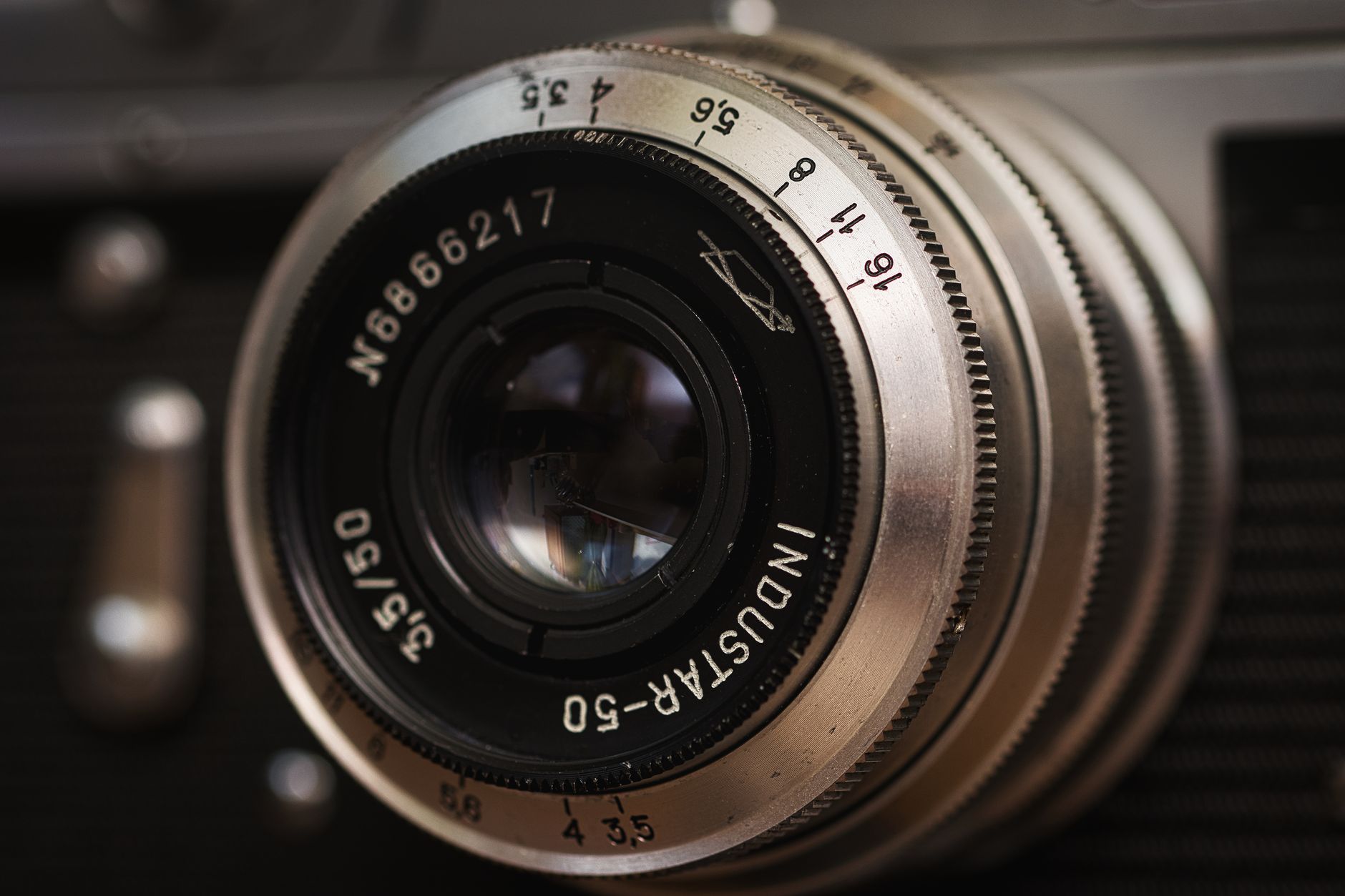
The optical characteristics that determine a photograph’s visual impact are entirely controlled by the lens. Distortion, vignetting, depth of field, bokeh quality, focal length rendering, and sharpness across the frame—all of these originate from lens design. The camera body, by contrast, determines how the sensor processes the incoming light: its dynamic range, color science, autofocus speed, and noise performance at high ISO values. When a lens performs poorly, none of these sensor improvements can compensate.
A cutting-edge sensor in a cheap lens is like installing a premium engine in a car with a clogged fuel filter. Consider a concrete example: a photographer using a used Canon 5D Mark II (a professional body from 2008) paired with a modern Canon RF 85mm f/1.2 lens will produce dramatically sharper, more optically superior images than someone using a brand-new Canon EOS R5 (one of the most technically advanced cameras available) with a $100 kit lens. The technical specifications of the newer body are irrelevant if the lens cannot deliver that resolution to the sensor. This principle holds across every major camera system: Canon, Nikon, Sony, and others all demonstrate the same pattern in real-world photography.
The Depreciation Problem: Why Lens Investment Protects Your Capital
One of the most overlooked aspects of camera equipment investment is the depreciation curve. Camera bodies follow a rapid, predictable depreciation schedule because manufacturers release new generations every 12-24 months. The newest model becomes outdated relatively quickly, and even professional bodies lose 40-50% of their value within three years. Lenses, however, depreciate far more slowly. Because a lens is fundamentally a light transmission device with no electronic components to become obsolete, a high-quality lens from 2010 is still optically equivalent to a high-quality lens from 2025. This difference has profound financial implications.
A $2,000 lens purchased five years ago retains roughly 70-80% of its value on the used market today. A $2,000 camera body from the same period has typically lost 60-70% of its value. For anyone making a significant capital investment in photography—whether as a professional building a business or an enthusiast with real money at stake—lenses represent superior asset preservation. This is why experienced photographers treat lenses as long-term capital investments and camera bodies as consumable technology. The economics clearly favor lens prioritization. The warning here is crucial: if you allocate your budget heavily toward the latest camera body while equipping it with lower-quality glass, you’re essentially guaranteeing rapid depreciation while simultaneously limiting your image quality ceiling. You’ve invested in the component that loses value fastest while constraining the component that determines your actual output quality.
The Optical Bottleneck: How Poor Lens Performance Limits Sensor Capabilities
Modern camera sensors have reached a remarkable level of sophistication. Even entry-level sensors now capture extraordinary detail and dynamic range compared to equipment from just a decade ago. However, all of this sensor capability has a prerequisite: the lens must actually deliver that detail to the sensor. A poor lens with spherical aberrations, low contrast, or soft edges cannot transmit the information a high-end sensor could theoretically capture. The lens quality becomes the bottleneck that prevents the sensor from reaching its potential. Think of it in system efficiency terms: a sensor with 30 megapixels of potential resolution is completely constrained if the lens only delivers crisp information for 20 megapixels of that frame.
You’re paying for capability you cannot access. Conversely, a modest sensor paired with an exceptional lens will outperform that expensive sensor because it’s actually able to resolve what the lens delivers. In real-world photography, sharpness and clarity—both lens-determined characteristics—are typically the first visual properties that viewers notice and judge. The camera body’s technical specifications rarely become visible unless you’re working in extreme low-light situations or performing intensive post-processing. A specific example: professional product photographers often use older, less expensive camera bodies because they’ve invested in premium macro and studio lenses. Their images compete with and outsell work from photographers using the newest flagship bodies with standard kit lenses. The optical quality of their lens decisions makes all the difference in commercial viability.

The Investment Strategy: Building Lens Ecosystem Over Chasing Body Specs
If you’re evaluating photography equipment as an investment decision, the framework should be straightforward: prioritize building a strong lens ecosystem within your chosen camera system before upgrading the body. This principle applies whether you’re spending $2,000 or $20,000. A less expensive camera body operating within a system with excellent lens availability and quality is a better long-term investment than an expensive body with limited glass options. This has practical implications for manufacturers and systems. Canon’s RF lens lineup, for instance, has expanded significantly in recent years, making newer Canon mirrorless cameras a stronger ecosystem choice than they were three years ago. Similarly, Sony’s E-mount system benefits from exceptional third-party lens support, making system entry more affordable without sacrificing optical quality.
The recommendation for 2025-2026 is explicit: choose your camera system based on lens ecosystem quality first, then select the body based on budget. This approach inverts the typical consumer logic but aligns with how professional photographers actually allocate resources. The tradeoff to understand: investing in premium glass for a modest body means you’ll outgrow the body before the lenses. That’s actually ideal from an economic standpoint. When you eventually upgrade the body, your lens investments remain fully functional and relevant. If you had instead invested heavily in the body and skimped on lenses, you’d be forced to reinvest in glass while your expensive body becomes dated technology.
The Sensor Size Question: When Camera Body Hardware Actually Matters
There is one domain where camera body specifications genuinely impact image quality in measurable, observable ways: low-light photography. Larger sensors capture more light per pixel, which means the same ISO setting produces less visible noise on a full-frame camera than on a crop-sensor camera. Additionally, larger sensors capture more fine detail, which becomes visibly apparent in large prints or when performing aggressive retouching. These are real advantages that lens quality cannot entirely overcome.
However, this advantage is contextual and narrow. If your primary photography involves daytime outdoor work, studio photography with controlled lighting, or any situation where you’re maintaining moderate ISO levels, sensor size differences become largely imperceptible in the final image. Many highly successful professional photographers work with crop-sensor or even smaller sensor systems specifically because they recognize that for their work, the optical quality of their lenses outweighs sensor size advantages. The warning is not to ignore sensor specifications entirely, but to recognize that a one or two-stop advantage in noise performance does not justify choosing an expensive body with poor glass over a modest body with excellent lenses.

The Visibility Problem: Why Your Viewers Care More About Lens Quality
A frequently overlooked aspect of equipment selection is that viewers—whether clients, employers, or social media audiences—cannot reliably identify which camera body was used to capture an image. Image metadata is often stripped away or unknown. But lens quality is visually obvious. Sharpness, distortion, chromatic aberration, and bokeh character are all immediately apparent to anyone with any photographic experience. This means the lens you choose is far more visible to your audience and more directly connected to how your work is perceived.
Your reputation as a photographer is built far more on lens quality than on camera body generation. This principle has real consequences for professional viability and commercial success. A photographer shooting with a five-year-old body and outstanding lenses will appear more skilled and professional than a photographer with the newest flagship body and mediocre glass. The quality of the images is what creates opportunity, not the technical specifications of the equipment. For anyone whose photography has direct financial stakes—whether through client work, commercial sales, or professional opportunity—this reality should heavily weight your investment decisions toward optics.
The Future of Camera Equipment Investment
The rate of camera body innovation continues to accelerate, with computational photography, AI-assisted autofocus, and sensor improvements arriving with increasing frequency. This trend makes camera bodies more ephemeral as investments—what’s revolutionary today becomes standard in 18 months. Lens technology evolves more slowly and, more importantly, provides benefits that remain constant regardless of body generation. A premium lens purchased in 2022 is just as optically excellent in 2026 and will remain so in 2030.
This trajectory suggests that the traditional equipment pyramid—investing heavily in the body and accepting marginal lens quality—will become increasingly obsolete. Forward-looking photographers and those with financial stakes in their equipment should interpret this as vindication of the lens-first approach. As camera bodies become more interchangeable and commoditized (like processors in computers), the optical chain becomes the true differentiator. The photographers and systems that have invested in premium optics will maintain competitive advantages, while those betting on body superiority will face continuous pressure to upgrade.
Conclusion
Lens selection matters more than camera body choice because lenses directly determine image quality while bodies merely process what lenses deliver. This is not opinion or marketing messaging—it’s the consistent finding of optical physics and professional photography practice. When evaluating where to invest limited equipment budgets, the evidence is clear: a premium lens paired with a modest body produces superior images, retains value longer, and delivers more visible competitive advantage than the inverse allocation. For anyone making genuine investment decisions about photography equipment, the practical takeaway is straightforward.
Build your lens ecosystem first. Select a camera system based on lens availability and quality, not body specifications. Accept that camera bodies will become outdated and plan accordingly—buying bodies you can afford to replace while treating lenses as permanent capital. This approach aligns your equipment investment strategy with how working photographers actually allocate resources and with the economic realities of camera equipment depreciation. The data, the physics, and the market all point in the same direction.