
Tasting as you cook is the most important skill because it gives you real-time feedback to make immediate adjustments before the entire dish is ruined. In investing, this principle translates directly: monitoring your portfolio as it develops—tasting the market conditions, checking actual returns against expectations, and adjusting course when something feels off—is what separates investors who preserve wealth from those who suffer catastrophic losses. Just as a chef who waits until the dish is served to discover it’s oversalted has lost control, an investor who checks their portfolio quarterly or annually has already lost the ability to respond to developing problems. A practical example: during the 2022 market correction, investors who monitored their positions weekly and rebalanced gradually avoided the panic selling that locked in losses for those who only opened their statements in December.
The reason tasting matters so much is that cooking (and investing) are not set-it-and-forget-it endeavors. The environment changes constantly—oil temperature fluctuates, markets shift, unexpected news breaks—and your recipe needs adjustment in real-time. Without tasting, you’re flying blind. You cannot know if the seasoning is right, if the heat is too high, or if timing is off until it’s too late. Similarly, you cannot know if your asset allocation still fits your risk tolerance, if a position has outgrown its intended weight, or if market conditions have created opportunity until you actually look.
Table of Contents
- Why Real-Time Monitoring Prevents Costly Mistakes
- The Limitation of Monitoring Without Action
- How Taste Tests Reveal Hidden Portfolio Problems
- The Discipline of Tasting vs. The Temptation to Tinker
- The Psychological Challenge of Seeing What You Don’t Want to See
- Tasting Across Different Portfolio Types
- The Future of Portfolio Tasting: Technology as Amplifier
- Conclusion
Why Real-Time Monitoring Prevents Costly Mistakes
Most investors treat their portfolios like a recipe executed once and forgotten. They allocate to stocks, bonds, and alternatives based on a plan written years ago, then refuse to taste the results until they need the money. This approach costs them substantially. Market conditions change, companies diverge from expectations, and risk profiles shift. An investor who tasted their portfolio every quarter in 2021 would have noticed that their bond allocation—designed to be defensive—had compressed into negative yields. They could have rebalanced. An investor who didn’t taste until 2023 had already lost three years of potential adjustments.
Real-time tasting doesn’t mean constant panic trading. It means developing the discipline to check your portfolio on a regular schedule—monthly or quarterly—and asking specific questions: has any position grown to more than its intended allocation? Has the fundamental business changed? Is the market price reflecting all available information? A manufacturing company that discovers contamination in its product mid-production can stop and fix it. An investor who tastes quarterly can sell before the market fully prices in the bad news. An investor who tastes annually discovers the contamination when everyone else does. The cost of delayed feedback compounds backward. If you discover in January that one of your holdings deteriorated in August, you’ve suffered four months of unnecessary exposure. If you discover it after three years, you’ve suffered years. The investor who tastes cannot eliminate bad outcomes, but they compress the damage window.

The Limitation of Monitoring Without Action
One critical limitation: tasting without the willingness to act is worse than not tasting at all. A chef who tastes the soup, recognizes it’s oversalted, but then serves it anyway hasn’t gained anything from the taste. Similarly, investors who monitor their portfolios obsessively but refuse to rebalance, sell losers, or take profits are creating anxiety without benefit. There’s a real downside to excessive monitoring as well. Research shows that investors who check their portfolio daily make worse decisions—they react to noise and short-term volatility rather than responding to meaningful change. Tasting is most valuable when you taste with intention and a decision framework already in place.
Know what you’re checking for before you look. Are you monitoring for allocation drift? For fundamental business change? For market opportunity? Random daily monitoring creates stress and tempts bad decisions. Disciplined quarterly or monthly tasting, paired with predetermined action rules, creates value. The danger is that tasting can become an excuse for overconfidence. You taste frequently and feel in control, so you take on leverage, concentrate your portfolio, or make aggressive bets you can’t monitor effectively. The most dangerous investors are not those who ignore their portfolios entirely—they eventually force accountability. The most dangerous are those who taste obsessively and convince themselves they can manage risks they actually cannot.
How Taste Tests Reveal Hidden Portfolio Problems
Tasting reveals problems that reports and statements hide. When you sit down with your portfolio and think critically, you notice misalignments between your strategy and reality. You own a company because you believed in the management team, but you haven’t checked their recent filings—tasting means reading those filings. You allocated to emerging markets because of growth potential, but haven’t checked whether that allocation still makes sense given current valuations and geopolitical risk. A specific example: an investor allocated 15 percent to technology in 2015 based on a disciplined framework. By 2021, without any additional purchases, that allocation had grown to 45 percent through outperformance.
The investor who tasted annually and rebalanced back to 15 percent captured the gains while managing risk. The investor who never tasted noticed the concentration only in 2022 when the sector crashed, suddenly realizing they’d built a concentrated bet they never intended. Tasting also forces you to confront the difference between your plan and your behavior. You said you’d buy low and stay disciplined during crashes, but when you taste your portfolio during a severe correction, you discover you’re terrified. That’s valuable information. It means your allocation was never realistic for your actual risk tolerance. Better to discover this and adjust the plan than to stick with it in the next crisis.

The Discipline of Tasting vs. The Temptation to Tinker
There’s a critical tradeoff in tasting: discipline versus action. Excessive tasting leads to excessive trading, which creates costs and taxes that erode returns. Infrequent tasting creates the risk of catastrophic lag time. The optimal solution is tasting on a fixed schedule with predetermined decision rules. A comparison: a chef tasting every thirty seconds and adjusting is undercooked by the time it arrives. A chef tasting never is oversalted beyond recovery. A chef tasting every minute and adjusting only if specific criteria are met—saltiness outside a defined range, temperature outside a target—creates the best outcome. The same applies to portfolio management.
Taste monthly or quarterly, not daily. Act only when criteria are met: allocation drift exceeds 5 percent, a company’s fundamentals have deteriorated, or an opportunity has emerged that changes your expected return. Without decision rules, you’re just tinkers not investors. With decision rules, you’re controlling risk. The practical advantage of disciplined tasting is that it removes emotion from the system. You’re not selling because you’re scared or buying because you’re excited. You’re responding to actual data against a predetermined framework. This is harder to do than it sounds, which is why most investors fail to taste effectively.
The Psychological Challenge of Seeing What You Don’t Want to See
Tasting requires confronting reality, and investors are expert at avoiding it. You own a stock that’s declined 40 percent. Tasting means reading the latest earnings call and accepting that your thesis was wrong. Most investors don’t taste because they don’t want to face that moment. Instead, they hold until the position becomes immaterial, or they sell after further decline when the thesis is undeniably broken. A warning: tasting can trigger what researchers call “disposition effect”—the tendency to hold losing positions and sell winning ones, the opposite of what you should do. The investor who tastes and sees a position is underwater feels immediate regret and tends to hold it hoping for recovery.
The investor who tastes and sees a position is up becomes afraid of losing the gain and sells. Without a framework for what you’re looking at, tasting creates mistakes. You need to taste with a specific hypothesis: Is this position performing as expected given market conditions? Has the fundamental business changed? If it hasn’t changed fundamentally, hold. If it has, act. The other psychological challenge is that tasting creates accountability. When you know what’s in your portfolio, you can’t blame the market—you have to accept the role your decisions play. This is uncomfortable, which is why so many investors prefer ignorance. Real wealth building requires swallowing this discomfort.
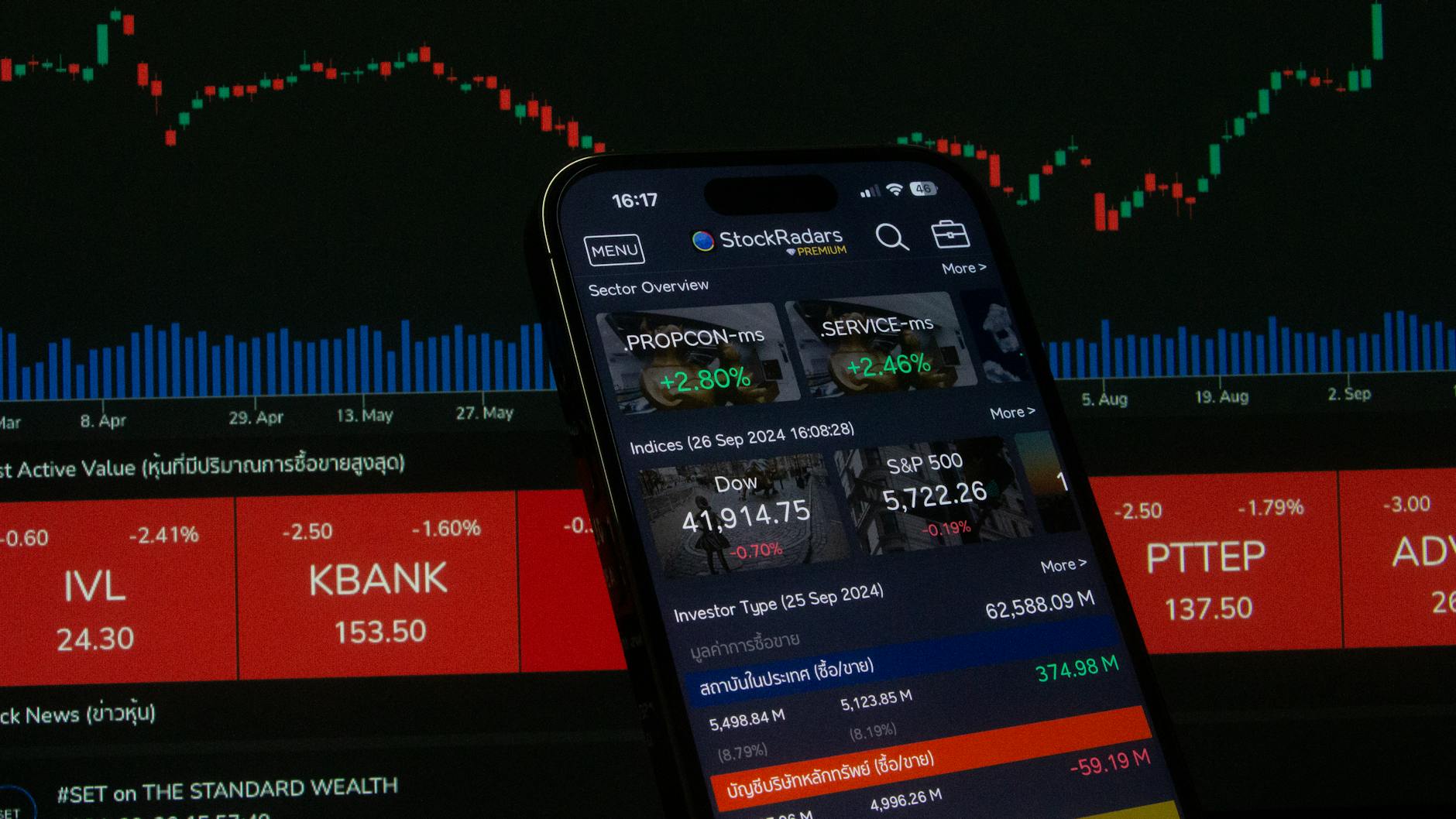
Tasting Across Different Portfolio Types
The value of tasting varies depending on what you’re tasting. If you own low-cost index funds on a 40-year horizon, tasting quarterly is sufficient—you’re unlikely to discover anything that changes your strategy. If you own individual stocks, tasting monthly is necessary because company fundamentals change constantly. If you own concentrated positions, tasting weekly may still not be enough; you need to stay ahead of developments.
An example: a retiree with a simple three-fund portfolio should taste quarterly to check allocation drift. That’s sufficient. An active investor holding individual stocks should taste monthly to catch deteriorating fundamentals before the market does. The tool—tasting—remains the same. The frequency and intensity should match the complexity of what you’re managing.
The Future of Portfolio Tasting: Technology as Amplifier
Technology is changing how investors can taste their portfolios. Real-time notifications alert you to price movements, earnings surprises, and fundamental changes. This is valuable—it accelerates the tasting process—but it also increases the temptation to tinker. The challenge for modern investors is maintaining discipline while having perfect information. A generation ago, an investor who read a company’s quarterly earnings report three weeks after release was still early.
Now, that same information is processed by algorithms in nanoseconds. The advantage goes to those who taste with discipline and decision rules, not to those who react fastest. The forward-looking insight is that the investors who thrive in the next decade won’t be those with access to the fastest information—everyone has that—but those with the discipline to taste regularly, interpret what they see with a clear framework, and act decisively when conditions warrant. Information abundance makes decision-making harder, not easier. Tasting provides a systematic way to cut through the noise.
Conclusion
Tasting as you cook—or monitor as you invest—is the most important skill because it’s the mechanism that connects intention to reality. Without tasting, you’re executing a plan in the dark. You don’t know if your asset allocation still makes sense, if a holding has deteriorated, or if market conditions have shifted. You react to changes weeks or months after they’ve already happened.
With tasting, you compress the feedback loop. You see problems before they become catastrophes and opportunities before they’re priced in. The implementation is straightforward: commit to reviewing your portfolio on a fixed schedule—monthly or quarterly depending on complexity—with predetermined decision rules guiding what you’ll do with what you find. This single discipline—tasting regularly with intention—separates investors who preserve and grow wealth from those who suffer unnecessary losses. Begin this week by scheduling your first intentional portfolio review, and bring a framework for what you’re looking at rather than just looking at numbers on a screen.