
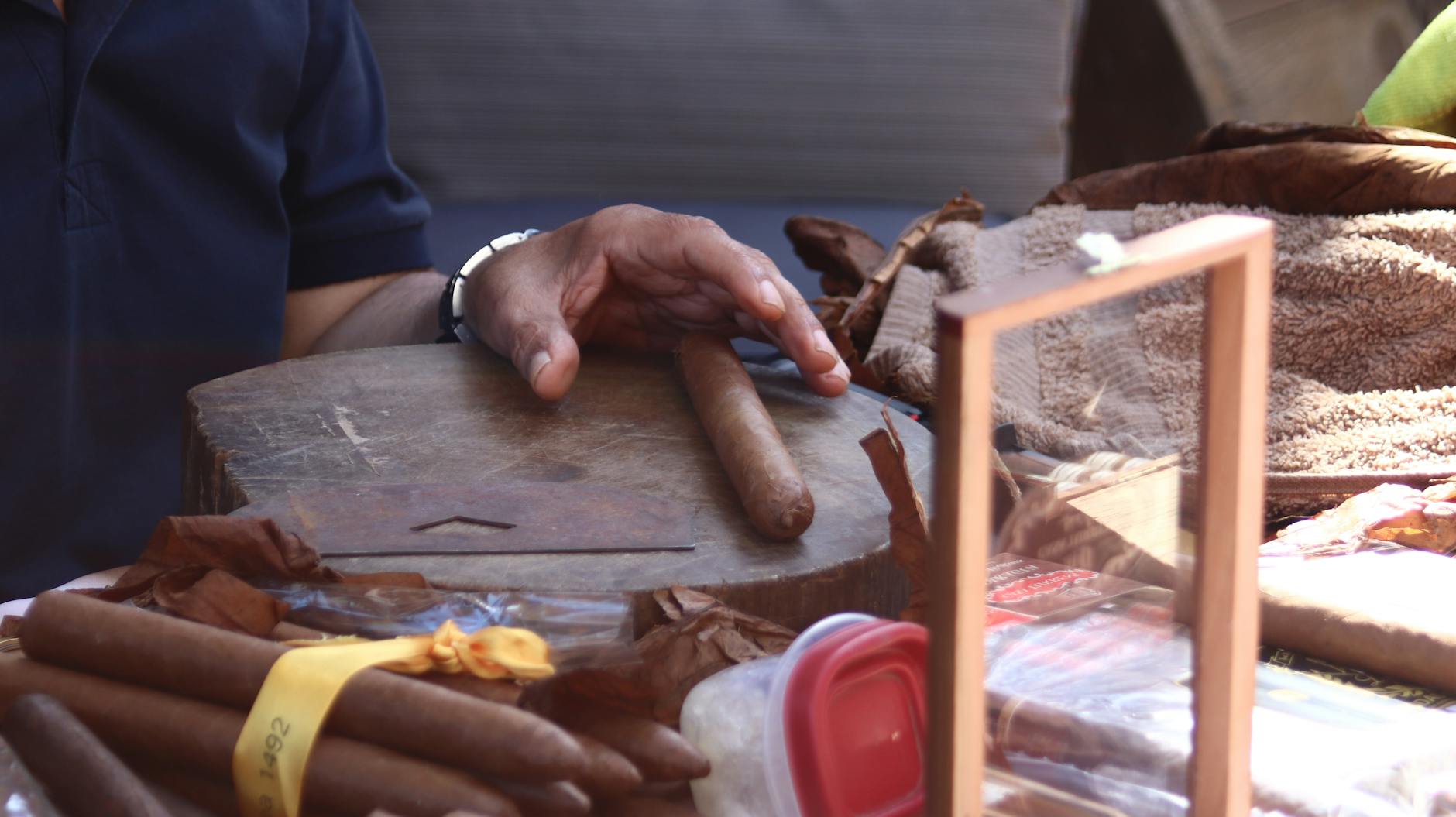
Manhattan’s best Cuban restaurants span from historic establishments in the West Village to modern interpretations in the Flatiron District, with the most acclaimed options including Havana Central in Midtown, which draws crowds for its ropa vieja and mojitos, and La Guardia, a casual spot near Madison Square Park that serves authentic dishes at more reasonable price points. The Cuban dining scene in New York’s primary borough has evolved significantly over the past two decades, shifting from primarily immigrant-focused venues in Washington Heights to destination restaurants that attract a broader demographic willing to pay premium Manhattan prices for the cuisine. What distinguishes the best Cuban spots is their commitment to authentic preparation methods—slow-roasting pork, hand-rolled cigars as décor, and fresh lime juice in nearly every drink—rather than simplified Americanized versions of the food.
The challenge for diners is navigating the wide variance in quality and authenticity, as some restaurants have capitalized on the trendiness of Cuban food without maintaining rigorous standards. Many establishments market themselves as “Cuban” while serving generic Caribbean fare, watered-down mojitos with artificial syrups, and proteins that lack the slow-cooking techniques that define the cuisine. Prices in Manhattan’s best Cuban restaurants typically range from $18 to $38 per entrée, significantly higher than comparable meals in Miami or Brooklyn, reflecting Manhattan’s real estate and labor costs rather than superior ingredients.
Table of Contents
- What Makes a Cuban Restaurant Stand Out in Manhattan?
- The Economics and Location Challenges of Cuban Dining in Manhattan
- Signature Dishes and What to Order at the Best Locations
- Navigating Price Points and Value in Manhattan’s Market
- Common Mistakes and Beverage Warnings
- The Role of Service and Atmosphere
- The Future of Cuban Dining in Manhattan and Expanding Options
- Conclusion
What Makes a Cuban Restaurant Stand Out in Manhattan?
A genuinely excellent Cuban restaurant in Manhattan distinguishes itself through its preparation of key dishes that require time and technique, particularly ropa vieja (shredded beef), pernil (roasted pork shoulder), and mofongo (plantain-based side dish). Havana Central’s ropa vieja, for example, is braised for six hours to achieve the proper texture and depth of flavor, whereas lesser establishments often substitute pre-cooked pulled pork or even chicken. The difference is immediately apparent in taste and authenticity—the veal becomes so tender it dissolves on the tongue, while rushed versions maintain an unpleasant stringiness.
The difference between good and mediocre Cuban restaurants often comes down to ingredient sourcing and kitchen consistency. Top-tier establishments maintain relationships with specific suppliers for plantains, cassava, and specialty peppers, ensuring seasonal availability and quality. Many restaurants in Manhattan struggle with consistency during peak seasons, when volume demands exceed the kitchen’s capacity to properly execute labor-intensive dishes like lechón asado (roasted whole pig) or slow-cooked black beans with white rice. A warning: avoid restaurants that offer lechón by the pound as a quick-service item, as this typically indicates microwaved or previously frozen preparations rather than proper roasting.
The Economics and Location Challenges of Cuban Dining in Manhattan
Location significantly impacts both the experience and the cost of Cuban dining in Manhattan, with Midtown locations commanding 20-40% price premiums compared to equivalent quality in the Lower East Side or East Village. This reflects not just rent costs but also foot traffic from tourists and business diners who expect service staffed for volume rather than craft. Havana Central’s Midtown location charges $28 for their signature ropa vieja platter, while comparable quality restaurants in brooklyn or smaller Manhattan neighborhoods charge $18-22 for nearly identical dishes.
A critical limitation of Manhattan’s Cuban restaurant scene is the shortage of true family-owned, multigenerational establishments that maintain recipes and techniques passed down from Havana. Unlike Miami, which has numerous restaurants owned and operated by Cuban immigrants who left during the revolution, Manhattan’s best Cuban restaurants are often run by professional restaurant groups with experienced chefs rather than family operators. This isn’t necessarily a negative—it means professional-grade food safety and consistency—but it does mean less authentic atmosphere and historical connection. Many diners seeking “authentic Cuban experience” should adjust expectations for what they’ll find in a high-rent Manhattan location; the experience is more refined and commercialized than what you’d encounter in Little Havana or family-run spots in older Cuban enclaves.
Signature Dishes and What to Order at the Best Locations
The most reliable strategy for evaluating a Cuban restaurant is ordering specific dishes that reveal technique and ingredient quality. Mofongo, for instance, requires fresh plantains that are properly ripened, hand-mashed at the table or in front of customers, and served with flavorful broth or seafood preparation. At La Guardia, their mofongo with shrimp is made with plantains sourced within 48 hours and includes a complex seafood stock made in-house, whereas chain-adjacent restaurants often use plantain from frozen sources and generic chicken broth.
Black beans and rice, appearing simple, indicate whether a kitchen understands patience and layering. The best Cuban restaurants simmer their black beans for four to six hours with soffritos (garlic, onion, pepper base), allowing the beans to absorb flavor completely, while rushed versions cook for one hour and taste thin. Ropa vieja without proper braising develops a rubbery texture that most diners mistake for the nature of the dish itself. Ordering these foundational dishes first at any Cuban restaurant provides immediate insight into whether the kitchen maintains proper technique.
Navigating Price Points and Value in Manhattan’s Market
Cuban restaurants in Manhattan present a significant value proposition challenge, as prices reflect Manhattan’s real estate rather than ingredient costs. An $28-35 entrée at a Midtown Cuban restaurant offers similar quality to $16-20 dishes available in Washington Heights or in Brooklyn’s Sunset Park. For diners prioritizing authentic experience over location convenience, traveling to these neighborhoods yields substantially better value, though this requires time investment that Manhattan-based workers may not have during lunch hours.
The tradeoff when dining at premium Manhattan locations like Havana Central is accepting higher prices in exchange for convenience, professional atmosphere, and the ability to combine dining with shopping or midtown errands. A comparison: spending $32 for ropa vieja at Midtown Havana Central plus 15 minutes of your work day is often worth more to high-income Manhattan workers than saving $12 by traveling 40 minutes to Washington Heights or Brooklyn, even though the quality may be equivalent. Understanding this tradeoff helps diners make rational decisions about where to eat rather than assuming Manhattan restaurants offer superior quality at premium prices.
Common Mistakes and Beverage Warnings
One of the most frequent mistakes diners make at Cuban restaurants is ordering mojitos without first assessing the bar’s juice infrastructure. Many Manhattan establishments use pre-made sweet and sour mixes or bottled lime juice rather than fresh-squeezed lime, resulting in overly sweet, flat beverages that bear no resemblance to a proper mojito. A warning sign: mojitos served in plastic cups or made with visible speed-of-service priorities are almost certainly using shortcuts.
Request to watch your mojito being made, or order beer (Cuban beer like Cristal or Materva) and rum selections instead, which are harder to compromise with artificial ingredients. Another common issue is the assumption that “Cuban style” side dishes are interchangeable. Many restaurants substitute yuca fries for authentic cassava root preparations, or serve plantain chips instead of proper fried plantain slices, which have different textural and flavor properties. Additionally, avoid restaurants that serve guacamole or other avocado-based dishes as Cuban cuisine staples—these reflect generic Latin American assumptions rather than Cuban culinary traditions, which focus more heavily on pork, root vegetables, and legumes.

The Role of Service and Atmosphere
The best Cuban restaurants in Manhattan distinguish themselves through knowledgeable service staff who can explain dishes, guide wine or rum pairings, and adjust portions for dietary needs. Professional establishments like Havana Central employ servers trained specifically in Cuban cuisine, whereas casual spots like La Guardia operate more as counter-service or minimal-attention venues. Atmosphere varies significantly based on your preference—intimate dinner experience versus quick, casual lunch—but either can indicate quality if execution is consistent.
A specific observation: restaurants with vibrant, loud atmospheres often compensate for weaker food quality by creating energy that distracts from mediocre execution. Conversely, quieter, more refined Cuban restaurants typically maintain stronger technical standards because there’s no ambient distraction. Neither atmosphere type guarantees quality, but understanding your preference helps guide restaurant selection.
The Future of Cuban Dining in Manhattan and Expanding Options
The Cuban restaurant scene in Manhattan continues evolving toward higher-priced, chef-driven interpretations rather than remaining purely traditional. Newer openings focus on modern presentations of classic dishes, fusion approaches with other Caribbean cuisines, or fine dining interpretations that would be unrecognizable in Havana. This trend reflects broader Manhattan restaurant economics—rents support only high-volume casual or high-margin fine dining, leaving less room for mid-priced traditional establishments.
This shift presents both opportunity and loss. Diners gain access to innovative reinterpretations of Cuban cuisine and higher technical execution from extensively trained chefs. Simultaneously, traditional family-operated styles become increasingly rare, and younger diners may never experience the direct continuity of recipes and techniques from pre-revolution Cuba. The next five years will likely see consolidation around a handful of recognized brands and flagship locations, with fewer independent operators able to sustain Manhattan rents.
Conclusion
The best Cuban restaurants in Manhattan include Havana Central (Midtown), La Guardia (Madison Square area), and smaller independent spots in the Lower East Side, distinguished by proper technique in foundational dishes like ropa vieja and mofongo, source relationships for authentic ingredients, and knowledgeable service. These restaurants prove that high-quality Cuban cuisine exists in Manhattan, but diners should accept Manhattan price premiums ($25-38 per entrée) and adjust expectations about authentic atmosphere, which is necessarily more refined and commercialized than immigrant-community establishments in other boroughs or cities.
For optimal value and the most traditionally authentic experience, diners should consider the economic tradeoff between time investment and price difference when deciding between premium Manhattan locations and neighborhoods like Washington Heights or Brooklyn’s Sunset Park, where equivalent quality often costs 30-50% less. Understanding what constitutes authentic Cuban preparation—slow-braised proteins, hand-prepared sides, fresh ingredients—protects against overpriced mediocrity marketed as ethnic cuisine, while recognizing the legitimate economics of Manhattan dining ensures realistic expectations about why quality Cuban food costs significantly more here than elsewhere.