
Flatbush Brooklyn has emerged as one of the city’s most vibrant Caribbean dining destinations, offering authentic cuisine from islands including Jamaica, Haiti, Trinidad, and the Dominican Republic. The neighborhood’s large Caribbean immigrant community has cultivated a restaurant scene where family-run establishments serve generations-old recipes alongside newer concepts adapting traditional dishes for contemporary palates. Lilia’s Caribbean Kitchen on Nostrand Avenue exemplifies this landscape—a modest storefront that has operated for over two decades, serving jerk chicken and traditional Caribbean sides to a devoted local clientele, with minimal marketing beyond word-of-mouth.
What distinguishes Flatbush’s Caribbean restaurant culture is its accessibility and authenticity. Unlike Caribbean concepts in Manhattan that often target tourists and carry correspondingly inflated pricing, Flatbush establishments maintain reasonable prices because they genuinely serve the neighborhood’s Caribbean residents rather than treating the cuisine as a novelty. This economic dynamic means diners can experience legitimate Caribbean food without the markup typically applied to ethnic cuisines positioned as trendy or exotic.
Table of Contents
- What Makes Flatbush Brooklyn’s Caribbean Restaurant Scene Distinctive?
- Understanding Flatbush’s Caribbean Cuisine Diversity and Regional Differences
- Prominent Restaurant Examples and Their Operational Models
- Navigating Dining Approaches and Pricing Expectations
- Service Considerations and Peak Time Management
- Specialty Items and Seasonal Dishes
- The Future of Flatbush’s Caribbean Restaurant Landscape
- Conclusion
What Makes Flatbush Brooklyn’s Caribbean Restaurant Scene Distinctive?
Flatbush’s concentration of Caribbean restaurants reflects decades of migration patterns and community settlement. The neighborhood became a primary destination for Caribbean immigrants beginning in the 1960s, when the area transitioned from predominantly Italian to increasingly Caribbean and African American. This demographic foundation meant restaurants could operate at sustainable price points serving primarily local customers rather than tourists, allowing them to maintain traditional preparation methods and family recipes without the pressure to simplify or Americanize dishes for broader appeal.
The restaurant infrastructure differs notably from Manhattan’s Caribbean concepts. While establishments like Miss Ada on Atlantic Avenue in Brooklyn represent higher-end interpretations of Caribbean cuisine, Flatbush spots typically operate as casual counter-service or small dining room formats. A restaurant like Peggy Sue’s Caribbean Restaurant operates without table service, expecting customers to order at a counter and eat at limited seating, which dramatically reduces overhead and pricing. This operational model reflects the practical economics of the neighborhood rather than any quality limitation—the food quality often exceeds restaurants with significantly higher prices.

Understanding Flatbush’s Caribbean Cuisine Diversity and Regional Differences
Caribbean cuisine varies substantially by island origin, and Flatbush’s restaurant concentration allows for exposure to distinct regional traditions. Jamaican establishments dominate the neighborhood, reflecting Jamaica’s large emigrant population, but Dominican, Trinidadian, and Haitian restaurants provide contrast. A limitation worth noting: restaurants often blend multiple Caribbean traditions on a single menu, which can sometimes result in diluted authenticity—a menu offering both Dominican sancocho and Jamaican curry goat might dedicate insufficient focus to perfect either dish.
Ingredient sourcing presents both opportunity and constraint. Many Flatbush restaurants source from Caribbean markets and suppliers within the neighborhood, allowing access to plantains, callaloo, and other specialty ingredients at competitive prices due to local bulk purchasing. However, some traditional ingredients remain difficult to source consistently in new York, meaning certain seasonal dishes may appear and disappear from menus based on availability rather than intentional rotation. This unpredictability frustrates regular customers but reflects the genuine supply challenges that restaurants serving Caribbean food face.
Prominent Restaurant Examples and Their Operational Models
Flatbush’s longest-established restaurants have achieved local institution status through consistency and quality. Totonno’s Caribbean Grill, while technically on Nostrand Ave near the Flatbush boundary, represents the established restaurant model—counter service, family-operated, affordable pricing, and a focus on jerk preparation and rotisserie items. The restaurant has sustained operation through economic changes and neighborhood gentrification by maintaining core identity rather than chasing trends.
Newer establishments like Caribbean Sunset bring different approaches while maintaining community orientation. These restaurants often incorporate modest table service and slightly expanded menu offerings while still prioritizing authenticity and reasonable pricing. The variation in operational models means diners with different preferences—whether seeking quick counter service or a casual sit-down experience—can find appropriate venues.
Navigating Dining Approaches and Pricing Expectations
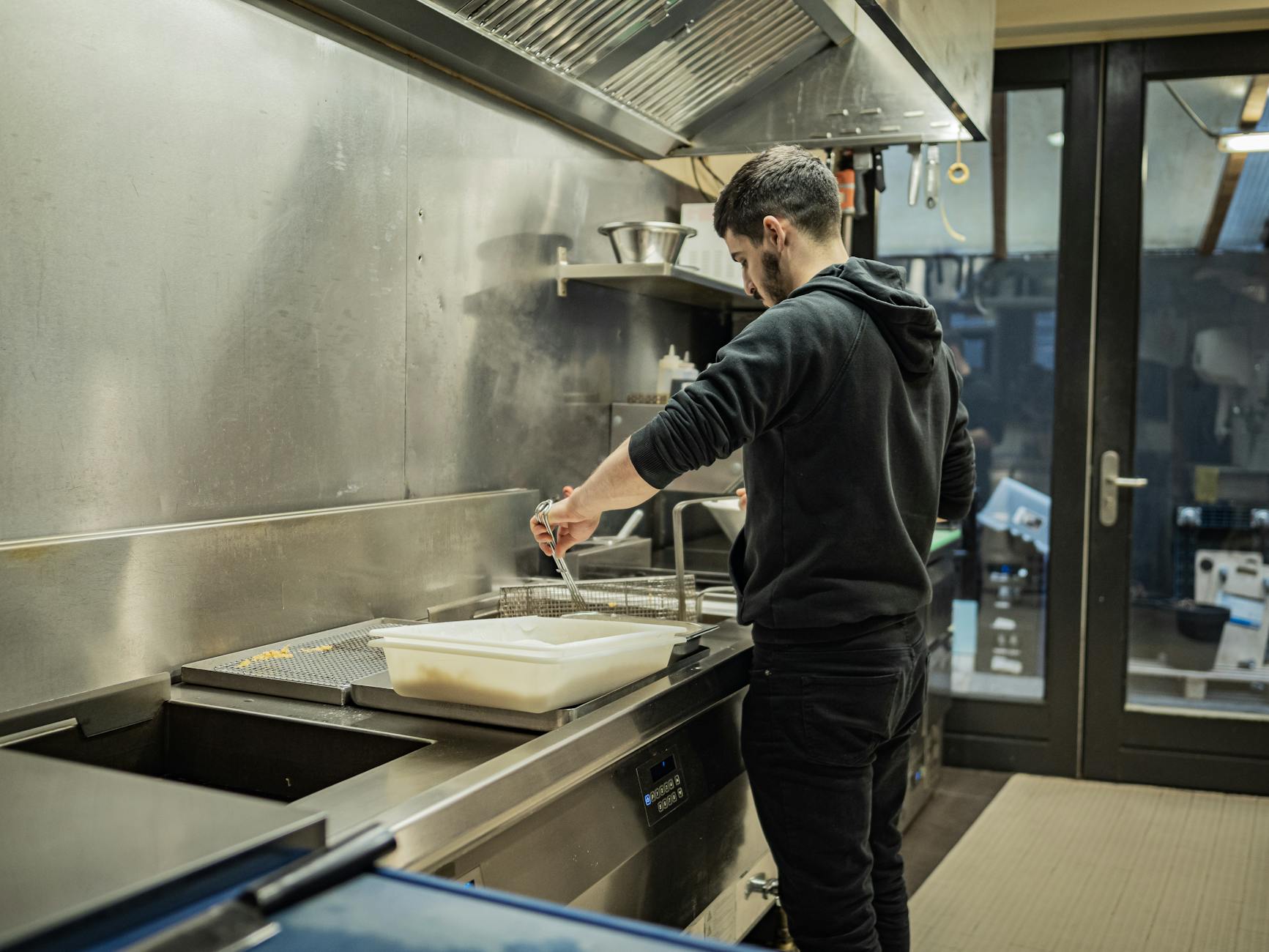
Flatbush Caribbean restaurants operate on a different pricing structure than comparable cuisine in Manhattan or other neighborhoods. A full meal including entrée, rice and peas or plantains, and a beverage typically costs $12-$18, compared to $25-$40 for similar cuisine at Manhattan establishments. This pricing reflects lower rent, modest staffing, and volume-based economics rather than reduced quality. Understanding this pricing structure helps set realistic expectations and prevents disappointment from assuming Flatbush establishments offer better value because of inferior quality when the reality is operational efficiency.
The tradeoff inherent in Flatbush’s restaurant model involves limited amenities and atmosphere in exchange for authenticity and pricing. Many establishments feature plastic chairs, minimalist décor, and no alcohol service—choices that reduce overhead but also create dining experiences that some customers find off-putting. Restaurants investing in improved ambiance typically raise prices accordingly, creating a market segmentation where customers choose between established, affordable options with basic atmospherics or newer concepts with better décor at higher prices. Neither choice is objectively superior; the decision depends on individual preference and priorities.
Service Considerations and Peak Time Management
Service speed varies significantly between establishments, with the busiest periods creating substantial wait times. Counter-service restaurants during lunch hours (particularly around 12-1pm on weekdays) can experience queues lasting 20-30 minutes, particularly on Fridays when Caribbean communities traditionally increase dining out. Advance ordering through phone is often unavailable, requiring in-person visits for even minor menu questions.
This limitation particularly affects first-time visitors unfamiliar with menu options or preparation times for specific dishes. A practical warning: some establishments close unexpectedly due to family circumstances, health issues, or supply disruptions. The absence of corporate ownership and minimal marketing means closure announcements may not reach broader audiences, resulting in disappointed customers arriving to find restaurants shuttered. Calling ahead before visiting unfamiliar establishments, particularly on Mondays or after holidays, prevents wasted trips.

Specialty Items and Seasonal Dishes
Specific preparations mark particular establishments as destination restaurants within the community. D&C Famous Fried Chicken offers jerk chicken that loyalists consider superior due to particular spice preparation and smoking technique, while others specialize in preparing Caribbean stews, curries, or festival (fried dough).
These specializations aren’t typically advertised but are known through community knowledge accumulated through repeat visits. This institutional knowledge represents the primary marketing channel for many restaurants—recommendations from satisfied customers to friends and family.
The Future of Flatbush’s Caribbean Restaurant Landscape
Flatbush’s Caribbean restaurant ecosystem faces ongoing pressure from gentrification, rising rents, and demographic shifts as younger residents replace established community members. Simultaneously, increased mainstream interest in Caribbean cuisine creates opportunities for restaurants willing to invest in improved presentation and service without abandoning authenticity. The neighborhood’s restaurant future likely involves fewer family-operated counter-service spots and more hybrid establishments offering modest table service and ambiance improvements at moderate price increases.
Conclusion
Flatbush Brooklyn remains one of New York City’s most authentic and accessible Caribbean dining destinations, characterized by family-operated restaurants serving genuine cuisine at genuinely affordable prices. The neighborhood’s established Caribbean immigrant community created restaurant culture serving primarily local clientele rather than tourists, preserving traditional preparation methods and maintaining operational models based on efficiency rather than ambiance.
For diners prioritizing authentic cuisine and reasonable pricing, Flatbush’s Caribbean restaurants represent superior value compared to equivalent offerings elsewhere in the city. Visiting requires flexibility regarding atmosphere, service speed during peak hours, and occasional menu limitations based on ingredient availability, but these limitations reflect operational authenticity rather than quality deficiency. The neighborhood’s restaurants offer cultural experience alongside excellent food—an increasingly rare combination in gentrifying New York.