
The best restaurants in Bronx Little Italy reflect a neighborhood that remains one of the city’s most authentic enclaves for Italian-American dining, despite significant demographic shifts over the past two decades. Arthur Avenue, the heart of this historic enclave in Fordham, features established restaurants like Tra Di Noi and Enzo’s, which have served traditional Italian cuisine for generations and continue to draw customers from across the city. These restaurants distinguish themselves not through trendy reinvention but through consistency in preparing classic dishes with imported ingredients and family recipes refined over decades.
Bronx Little Italy differs markedly from Manhattan’s Italian dining scene, which has increasingly focused on contemporary Italian cuisine and higher price points. The Bronx neighborhood maintains lower price points, more generous portions, and a stronger emphasis on regional Italian dishes rather than modernized interpretations. Many restaurants here operate as true neighborhood establishments where regulars occupy the same tables weekly, creating an atmosphere that values continuity over novelty.
Table of Contents
- What Makes Bronx Little Italy’s Restaurants Stand Out From Manhattan Alternatives?
- The Challenge of Preservation in a Changing Neighborhood
- Where to Find Authentic Regional Italian Cooking Beyond Typical Red Sauce
- Practical Decisions About Where and When to Visit Arthur Avenue Restaurants
- Health Code and Food Safety Considerations in Aging Establishments
- How Arthur Avenue’s Italian Specialty Shops Enhance the Dining Experience
- Future Prospects for Arthur Avenue as a Cultural Destination
- Conclusion
What Makes Bronx Little Italy’s Restaurants Stand Out From Manhattan Alternatives?
The restaurants on Arthur Avenue operate within a different economic model than their Manhattan counterparts. Tra Di Noi, for instance, offers multi-course meals at prices roughly 40-50% lower than comparable restaurants in Greenwich Village or the Upper East Side, allowing families to dine regularly rather than treating meals as special occasions. The neighborhood’s lower rent structure and established customer base of working-class and middle-class residents creates different incentives for restaurant owners—retention of regulars matters more than attracting affluent tourists.
The supply chain advantage remains significant for Arthur Avenue establishments. The street maintains active italian import businesses, butchers, and produce vendors that service both restaurants and home cooks, allowing restaurants to source specialty ingredients without the markup that Manhattan restaurants face. This access to fresh mozzarella, imported meats, and seasonal vegetables from established suppliers contributes to consistency that many newer restaurants in trendier neighborhoods struggle to maintain.
The Challenge of Preservation in a Changing Neighborhood
bronx Little Italy faces the limitation that the Italian-American population has dispersed significantly since the 1970s. Many younger members of Italian-American families have moved to the suburbs or integrated into broader American neighborhoods, reducing the built-in customer base that sustained restaurants through economic downturns. This demographic shift means that restaurants increasingly depend on customers traveling from other parts of the city, making them more vulnerable to traffic patterns, safety perceptions, and economic recessions than they were historically.
The neighborhood’s physical condition presents another challenge. While restaurants like Enzo’s and Tra Di Noi maintain quality interiors, some establishments show visible age and require ongoing capital investment that smaller family businesses struggle to afford. The difference between a restaurant that closes after 50 years and one that survives often comes down to whether ownership can fund renovations without taking on debt that constrains operations. Several notable Arthur Avenue restaurants have closed in the past decade, indicating that tradition alone does not guarantee sustainability.
Where to Find Authentic Regional Italian Cooking Beyond Typical Red Sauce
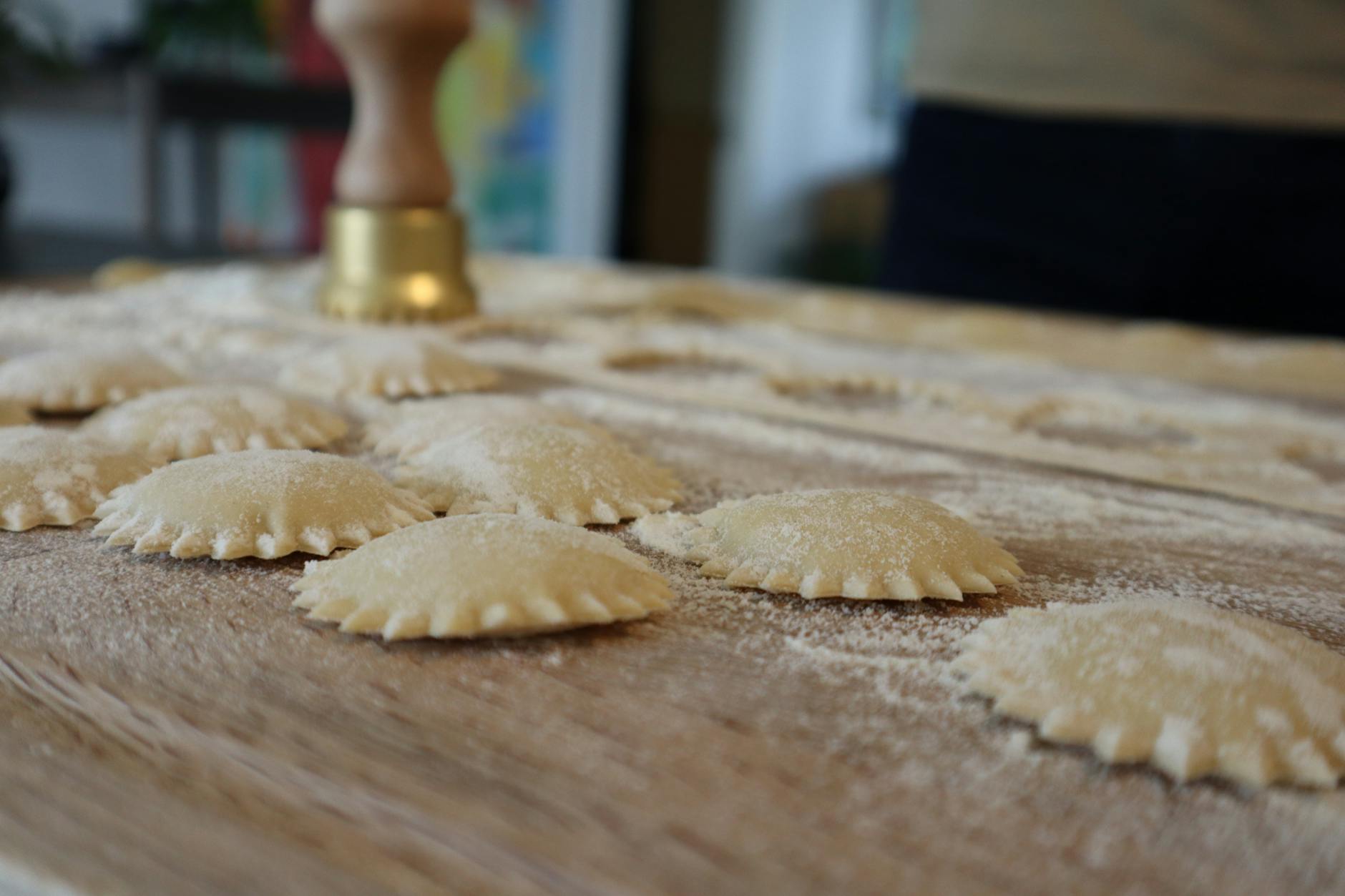
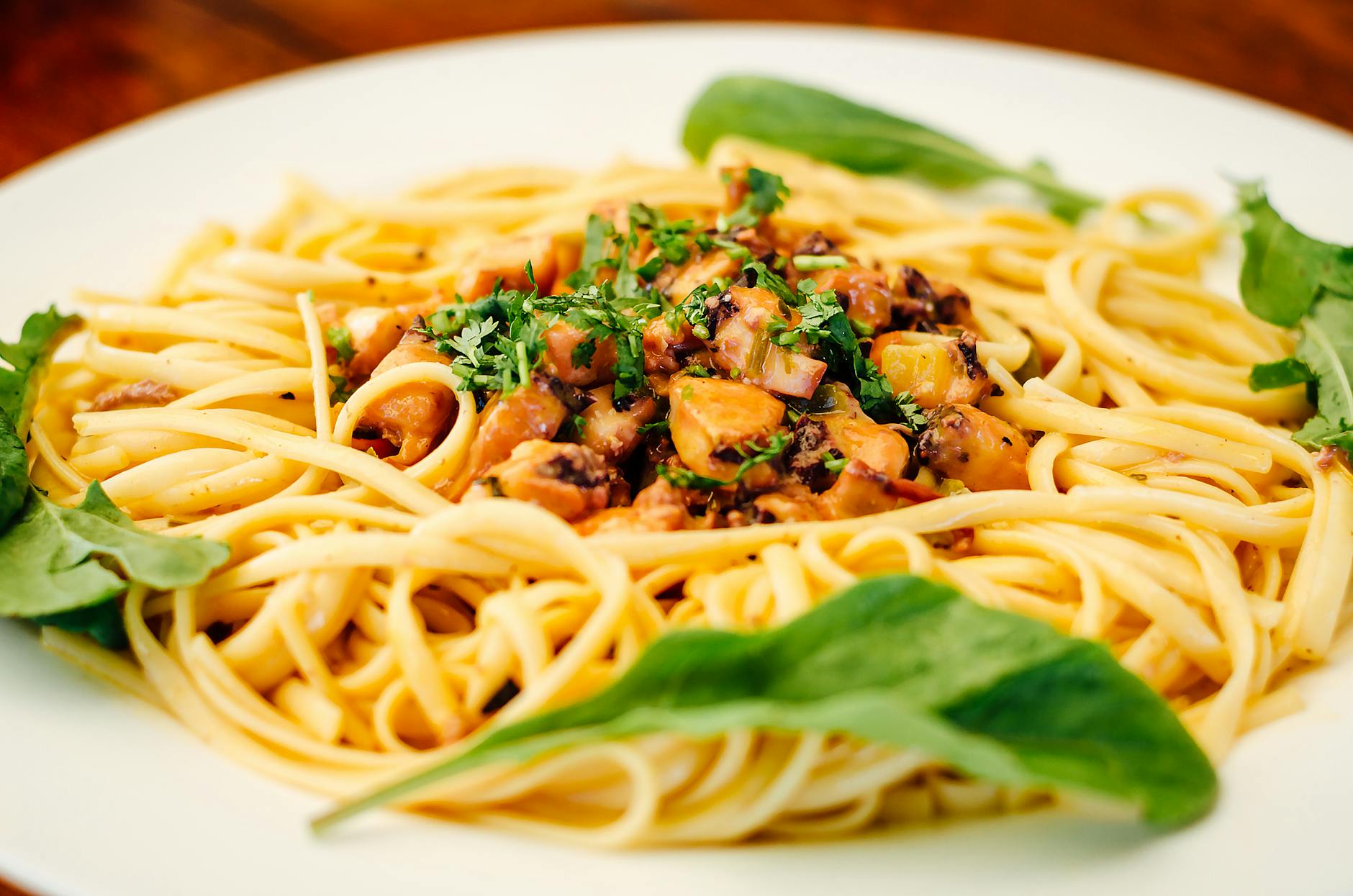
Several Arthur Avenue restaurants specialize in specific Italian regions rather than generic Italian-American fare. Enzo’s, which operates since 1957, maintains a focus on Calabrese cuisine, featuring preparations that emphasize the region’s use of spices, vegetables, and specific pasta shapes less common in restaurants outside the Bronx. This regional specificity matters because it allows diners to experience authentic cuisine rather than the Americanized Italian cooking that dominated urban neighborhoods for decades.
Zero Otto Nove represents a different model—a newer restaurant that opened in the 2000s but maintains connection to Italian culinary traditions through wood-fired techniques and imported ingredients. The distinction between Zero Otto Nove and established family restaurants lies in approach: newer establishments often focus on a specific technique or ingredient (in this case, wood-fired pizza and Neapolitan preparation), while older restaurants maintain broader menus reflecting the cooking their founders learned in Italy decades earlier. Choosing between these approaches depends on whether you seek a specific culinary experience or a comprehensive neighborhood meal.
Practical Decisions About Where and When to Visit Arthur Avenue Restaurants
Visiting Bronx Little Italy restaurants requires different planning than Manhattan dining. Most Arthur Avenue establishments do not take reservations or have limited reservation windows, requiring either arrival during off-peak hours or acceptance of wait times. Weekday lunches and early dinners (before 6 PM on weekdays) typically involve minimal waits, while weekend evenings can require 45-60 minute waits even at restaurants with significant seating capacity.
This timing tradeoff means that flexibility in scheduling provides substantially better experience than attempting weekend dining. Parking availability differs substantially from Manhattan restaurant neighborhoods, which represents both an advantage and a constraint. Street parking exists on and around Arthur Avenue, reducing the need for paid parking in commercial lots, but the neighborhood’s residential character means finding spaces during evening hours requires patience or luck. Arriving by car 30-40 minutes earlier than your reservation time and parking several blocks away often proves more efficient than circling for premium spots near the restaurant entrance.
Health Code and Food Safety Considerations in Aging Establishments
Older restaurants operating in the Bronx have faced the same health code enforcement as Manhattan establishments, but the visibility and regulatory scrutiny differs based on media attention and tourist traffic. Tra Di Noi and other Arthur Avenue restaurants maintain health inspection records available through NYC Department of Health databases, and examining these records reveals compliance patterns that can inform dining decisions. Some older restaurants receive citations for aging equipment or dated food handling areas that, while addressed when identified, indicate the infrastructure challenges that come with operating in decades-old spaces.
The warning here involves distinguishing between charm and genuine concern. Restaurants occupying historic spaces inevitably show their age, and exposed brick walls or vintage fixtures do not indicate food safety issues. However, evidence of equipment failures, pest complaints, or repeated violations across multiple inspection cycles warrant consideration when choosing among options. Reading health inspection records provides objective information rather than relying on subjective impressions of a restaurant’s appearance.

How Arthur Avenue’s Italian Specialty Shops Enhance the Dining Experience
The ecosystem of Arthur Avenue extends beyond restaurants to include butchers, pasta shops, and import stores that serve both as retail destinations and as suppliers to neighboring restaurants. Calandra Brothers Italian Bakery operates as a standalone destination where customers purchase fresh bread, and several pasticcerie serve Italian desserts alongside espresso.
Understanding that Arthur Avenue represents a neighborhood rather than a single restaurant allows visitors to structure visits that combine dining with shopping and walking. The advantage of this structure is that visitors can construct their own experience: purchasing prepared foods from specialty shops, buying ingredients at reasonable prices, and supplementing restaurant meals with authentic Italian products not readily available elsewhere in the city. This flexibility contrasts with Manhattan Italian restaurants that operate as isolated commercial establishments disconnected from supporting retail infrastructure.
Future Prospects for Arthur Avenue as a Cultural Destination
Arthur Avenue’s future depends on factors beyond individual restaurant performance, particularly real estate values and developer interest in the Fordham neighborhood. As the South Bronx experiences gradual economic development and investment, pressure on rents will inevitably increase, threatening both the established restaurants and the specialty shops that create the neighborhood’s distinctive character.
The challenge that neighborhoods from Greenwich Village to Chinatown have faced—balancing cultural preservation with economic development—now confronts the Bronx’s Italian neighborhoods. The counterargument suggests that the Arthur Avenue restaurants’ focus on serving locals and value-conscious diners insulates them partially from the gentrification patterns that displaced restaurants in other neighborhoods. As long as the working and middle-class population depends on neighborhood restaurants for regular meals, the economic model supporting Arthur Avenue differs from neighborhoods where restaurants survive primarily through tourist traffic.
Conclusion
The best restaurants in Bronx Little Italy offer genuine Italian-American dining at prices and portion sizes that reflect the neighborhood’s working-class character, with establishments like Tra Di Noi, Enzo’s, and Arturo’s providing consistency that comes only from decades of regular operation. These restaurants distinguish themselves through focus on specific Italian regions, relationships with established suppliers, and service models built around neighborhood residents rather than culinary tourism. Understanding what these restaurants offer requires visiting with realistic expectations—not contemporary interpretations of Italian cuisine, but authentic preparations of dishes that shaped Italian-American food culture.
The neighborhood rewards planning and flexibility. Visitors who accept the timing constraints of restaurants without reservations, arrive during off-peak hours, and understand the broader Arthur Avenue ecosystem as a neighborhood rather than a dining destination will encounter the most authentic experience. For those seeking Italian-American food executed with traditional techniques and quality ingredients at reasonable prices, Bronx Little Italy provides options that remain difficult to find in Manhattan, even as the neighborhood itself faces the pressures that have transformed other ethnic enclaves in New York City.