
The best soul food in Harlem Manhattan comes from family-owned restaurants that have been serving traditional recipes for decades, with places like Sylvia’s Restaurant and Miss Maude’s Spoonbread standing out as genuine institutions that deliver authentic flavors without compromise. Sylvia’s, located on Lennox Avenue since 1962, remains the most recognized name in Harlem soul food, offering fried chicken, collard greens, cornbread, and oxtail stew that reflect recipes passed down through generations. Beyond the famous spots, Harlem’s food landscape has evolved to include newer establishments that respect soul food traditions while adding creative twists to classic dishes. The soul food tradition in Harlem runs deep because the neighborhood has been home to African American communities since the Great Migration, when families brought Southern cooking techniques and recipes northward.
These restaurants aren’t just serving food—they’re preserving cultural heritage and community spaces where neighbors gather. Finding the best options means looking beyond tourist destinations to discover hidden gems that locals frequent, where quality and authenticity matter more than ambiance or marketing. What makes Harlem’s soul food scene distinct is the consistency of flavor and the refusal to cut corners with ingredients. The best establishments use real butter, slow-cook their meats, and prepare sides like mac and cheese and sweet potato pie from scratch. Competition from new restaurants has actually elevated standards across the neighborhood, forcing even established places to maintain quality or lose customers to fresher options.
Table of Contents
- Which Harlem Soul Food Restaurants Offer the Most Authentic Experience?
- What Should You Know About Harlem Soul Food Pricing and Value?
- Which Harlem Soul Food Dishes Are Worth Seeking Out?
- How Do You Navigate Harlem Soul Food as a First-Time Visitor?
- What Are Common Mistakes When Seeking Harlem Soul Food?
- Where Else in Harlem Can You Find Quality Soul Food Beyond the Famous Names?
- How Is Harlem Soul Food Evolving in 2026?
- Conclusion
- Frequently Asked Questions
Which Harlem Soul Food Restaurants Offer the Most Authentic Experience?
Sylvia’s Restaurant remains the most reliable choice for tourists and locals alike, though it has become expensive and occasionally inconsistent compared to its earlier reputation. A plate of fried chicken with two sides and cornbread costs $22-28 depending on what you order, putting it in the upper range for Harlem soul food. The restaurant’s large space, full bar, and Sunday gospel brunch have made it a destination, but the quality varies between weekday lunch service and peak evening hours when kitchen volume increases. Miss Maude’s Spoonbread, located near 110th Street, offers a smaller, more intimate experience with slightly better overall consistency than Sylvia’s at similar price points.
Their spoonbread—a savory cornbread soufflé—is genuinely unique and appears on few other menus. The restaurant’s kitchen is visible from the dining area, which adds transparency and accountability that translates into better execution during service. Red Rooster, opened by chef Marcus Samuelsson in 2010, represents the new generation of Harlem restaurants that honor soul food traditions while incorporating Scandinavian and other international influences. It’s more expensive than traditional soul food spots, with entrees running $28-38, but the restaurant has genuine staying power and attention to ingredient quality. The limitation here is that while the food is excellent, it’s not strictly soul food—it’s a reinterpretation that some purists find dilutes the tradition.

What Should You Know About Harlem Soul Food Pricing and Value?
Harlem’s soul food prices have increased significantly over the past decade due to gentrification and rising commercial rents in the neighborhood, making it important to set expectations before visiting. A genuine, filling meal at a traditional establishment now costs $20-30 per person including a drink, with higher-end places reaching $35-40. This represents roughly 20% premium compared to soul food restaurants in other parts of new York City, a trade-off for location and Harlem’s reputation as the home of this cuisine. Value-conscious diners should prioritize lunch over dinner at established restaurants, as lunch menus often offer the same dishes at $2-5 less per entree.
Many spots offer three-item plates where you choose a protein and two sides, which provides better value than ordering entrees separately. The warning here: some restaurants have reduced portion sizes while maintaining prices, so what appeared as a generous serving five years ago may feel smaller today. Smaller, newer joints that haven’t achieved Sylvia’s or Red Rooster fame still offer authentic food at better prices, typically $16-22 for a full plate. These places are riskier in terms of consistency and longevity—restaurants in Harlem struggle with high rent and narrow margins—but they represent where genuine neighborhood soul food still thrives before inevitable price increases.
Which Harlem Soul Food Dishes Are Worth Seeking Out?
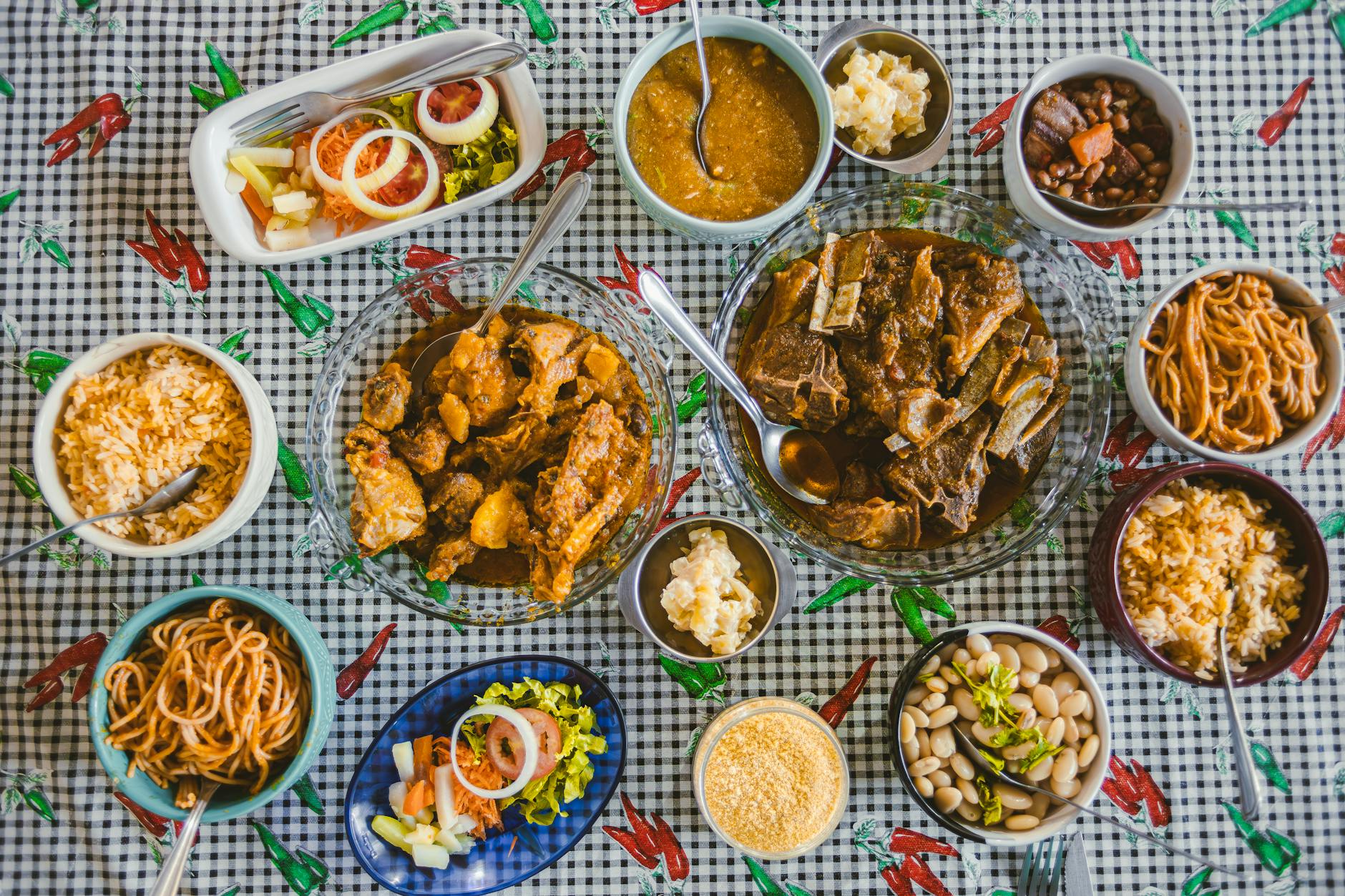
Fried chicken appears on virtually every Harlem soul food menu, but quality varies dramatically between establishments. Sylvia’s fried chicken uses a buttermilk marinade and specific seasoning blend that produces a consistently crispy exterior and juicy interior, which is why the restaurant remains known for this signature dish. Smaller restaurants sometimes achieve better results through lower volume, fresher batches, and more attentive cooking, though you sacrifice consistency for the occasional superior execution. Collard greens cooked with smoked turkey or ham hock remain a cornerstone of Harlem soul food, and this is where you can genuinely assess a restaurant’s commitment to tradition. True collard greens require low-and-slow cooking for several hours, which many newer establishments skip by using pressure cookers to save time.
The difference is immediately apparent in texture and depth of flavor—properly prepared collards have tender leaves and a broth rich with rendered fat and spice, while rushed versions taste vegetable-forward and thin. Miss Maude’s handles collard greens with particular care. Spoonbread, mac and cheese, cornbread, and sweet potato pie round out the side dishes worth ordering. Spoonbread specifically is easier to execute poorly than well, making Miss Maude’s version notable because most restaurants don’t attempt this dish. Cornbread should be slightly sweet with a crispy bottom and moist interior—Sylvia’s achieves this consistently, while other spots sometimes produce cornbread that feels more like cake or becomes dry if sitting under heat lamps.
How Do You Navigate Harlem Soul Food as a First-Time Visitor?
Arriving at peak dining hours (noon-1pm for lunch, 7pm-8pm for dinner) guarantees waiting 20-40 minutes at popular restaurants, which is both a blessing and curse. The wait indicates popularity and typically ensures fresher food because the kitchen is running at higher turnover, but it also means you’re experiencing the restaurant during its most chaotic service. Visiting during off-peak hours (2-5pm) produces faster seating but may result in food that’s been sitting longer. Sylvia’s operates almost like a tourist destination with reserved seating for larger groups, which impacts spontaneous dining for individuals or small parties.
If you want a more relaxed experience without crowds, Miss Maude’s accommodates walk-ins more gracefully and has smaller, more manageable lunch rushes. The trade-off is less name recognition and potentially less consistent execution since they operate on tighter margins with a smaller kitchen staff. Ordering strategically matters—avoid appetizers and desserts at most Harlem soul food restaurants, instead spending your appetite allowance on the main plate with sides. Most of these places excel at their core offering and treat appetizers as secondary, whereas the entrees represent where kitchen expertise concentrates. Desserts are frequently sourced or prepared in limited volume, so quality suffers compared to the main dishes.
What Are Common Mistakes When Seeking Harlem Soul Food?
Assuming that larger, more famous restaurants automatically provide better quality is a frequent error that leads visitors to Sylvia’s when slightly smaller competitors offer more authentic experiences. The restaurant’s size and tourist reputation sometimes work against quality consistency, as kitchens optimized for volume sacrifice attention to individual plates. Several longstanding neighborhood residents actually prefer other establishments but acknowledge that Sylvia’s has the best marketing and location. Another warning: some restaurants market themselves as soul food when they’re actually serving Southern food with different origins and preparation methods.
True soul food emerged from African American communities and reflects specific historical cooking traditions, whereas Southern food can include dishes from white Southern traditions that diverged in technique and flavor. This distinction matters if you’re specifically seeking authentic soul food history rather than generic Southern cuisine. Trusting online reviews uncritically presents a third pitfall, since food blogs and travel sites frequently update their recommendations based on novelty rather than sustained quality. A restaurant that received glowing reviews three years ago may have deteriorated as ownership changed or original chefs moved on. Harlem’s restaurant landscape shifts regularly, and what was excellent in 2023 may no longer merit the same recommendation in 2026.

Where Else in Harlem Can You Find Quality Soul Food Beyond the Famous Names?
Neighborhood exploration reveals soul food options beyond Sylvia’s and Miss Maude’s, including smaller establishments on 125th Street and side avenues where locals congregate. These restaurants typically offer better value and sometimes superior execution of specific dishes, though they lack the brand recognition and marketing budgets of larger competitors.
Examples include spots serving dinner plates from commercial kitchens with limited dining space, operating as hybrid takeout-and-eat-in establishments. Churches and community organizations occasionally host soul food dinners and fundraisers that offer exceptional food at fair prices, though these require advance knowledge of community networks and event schedules. These gatherings represent soul food in its original context as community sustenance rather than tourist commodity, and they deserve mention as legitimate venues for experiencing the cuisine authentically.
How Is Harlem Soul Food Evolving in 2026?
The neighborhood’s soul food scene continues evolving as younger chefs claim ownership of the tradition, rejecting the false choice between strict authenticity and creative reinterpretation. Restaurants opened in the past five years incorporate local sourcing, sustainable practices, and updated techniques while maintaining flavor profiles and cooking principles from soul food tradition. This evolution suggests that future Harlem soul food will remain recognizable while becoming more ingredient-conscious and less tied to processed components.
Gentrification remains the existential threat to traditional soul food establishments, as rising rents force closures and displace the working-class communities that originally sustained these restaurants. Several beloved spots have closed in recent years, replaced by higher-margin concepts targeting wealthier residents. The restaurants that survive typically adapt by increasing prices, attracting tourists, and becoming less neighborhood-oriented—a trade-off that preserves the business but transforms the cultural experience.
Conclusion
The best soul food in Harlem Manhattan comes from Sylvia’s Restaurant and Miss Maude’s Spoonbread for tourists and accessible options, with additional value and authenticity available through smaller neighborhood establishments that haven’t yet achieved mainstream recognition. Quality matters more than reputation—visiting smaller restaurants during lunch service often produces superior results compared to dinner at famous spots running at capacity. Prices have increased substantially due to gentrification, making it important to prioritize dishes where these restaurants demonstrate genuine expertise, particularly fried chicken, collard greens, and spoonbread.
Going forward, seek out newer establishments that respect soul food traditions while incorporating modern techniques, and recognize that gentrification simultaneously threatens neighborhood restaurants while creating pressure for maintained quality standards. Harlem soul food remains a living tradition rather than a historical artifact, evolving as new generations of chefs claim ownership while building on the foundation established by earlier restaurant owners. The neighborhood’s soul food scene will continue changing, making current recommendations time-sensitive and requiring periodic reassessment of which establishments maintain standards worth seeking out.
Frequently Asked Questions
How much should I expect to spend on soul food in Harlem?
Budget $20-30 per person for a full plate with sides at traditional establishments, with 20-30% premium during peak dining hours. Newer, less famous restaurants cost $16-22, while upscale reinterpretations like Red Rooster run $28-40 per entree.
Is Sylvia’s Restaurant worth the wait?
Sylvia’s delivers consistent fried chicken and cornbread worth experiencing once, but the lengthy wait and tourist crowds don’t necessarily correlate with superior food compared to less famous alternatives. Visit during lunch for better quality and shorter waits.
What time should I visit for the best experience?
Lunch service (11:30am-1pm) offers fresher food and shorter waits compared to dinner service. Mid-afternoon (2-5pm) produces minimal crowds but may result in food that’s been under heat lamps.
Which dishes are essential to order?
Fried chicken, collard greens, and cornbread represent where soul food restaurants demonstrate core expertise. Skip appetizers and desserts at most establishments, concentrating your budget on main plates with sides.
How has gentrification affected Harlem soul food?
Rising rents have closed several beloved restaurants and forced remaining establishments to increase prices, attracting tourists while displacing neighborhood communities that originally sustained these businesses.
Are there soul food restaurants that don’t sacrifice quality for gentrification?
Smaller neighborhood establishments and mid-2010s openings like Red Rooster maintain quality standards while acknowledging market changes. These represent where soul food tradition continues evolving rather than simply disappearing.