
Gold prices have experienced extraordinary volatility in early 2026, with the precious metal swinging from record highs above $5,600 per ounce to lows near $4,405 before recovering to $5,065.32 as of February 4. The recent turbulence””including a 6% surge on Tuesday that marked the biggest single-day gain since 2008″”reflects a tug-of-war between dollar strength, shifting Federal Reserve expectations, and persistent safe-haven demand amid geopolitical uncertainty. While the inverse correlation between gold and the U.S. Dollar Index remains strong at approximately -0.75, the dollar’s 9.58% decline over the past twelve months has actually provided a tailwind for gold prices, contributing to the metal’s remarkable 76.55% year-over-year gain.
The current environment illustrates how quickly precious metals can move when multiple forces collide. After spot gold shed approximately 9% from its January 29 record high, falling to $4,895.22 per ounce during the selloff, many investors questioned whether the multi-year bull run had finally peaked. Silver suffered even more dramatically, plunging 28% to $83.45 per ounce in what became the worst trading day for the metal since March 1980. Yet analysts at major institutions remain bullish, with JPMorgan Private Bank maintaining a year-end target of $6,500 per ounce. This article examines the forces driving gold’s recent price action, the relationship between dollar movements and precious metals, what triggered the historic selloff, and where prices may head through the remainder of 2026.
Table of Contents
- Why Do Gold Prices Fall When the Dollar Strengthens?
- What Triggered the Historic Selloff in Late January?
- How Are Interest Rate Expectations Shaping Gold’s Outlook?
- Where Do Analysts See Gold Prices Heading by Year-End?
- What Risks Could Derail the Gold Bull Market?
- How Did Silver’s Collapse Compare to Gold’s Decline?
- What Role Are Geopolitical Tensions Playing in Gold Demand?
- Conclusion
Why Do Gold Prices Fall When the Dollar Strengthens?
The inverse relationship between gold and the U.S. dollar stems from fundamental market mechanics. Gold is priced in dollars globally, so when the greenback appreciates, the metal becomes more expensive for buyers using other currencies. This reduced purchasing power typically dampens international demand and pushes prices lower. The current correlation coefficient of -0.75 between gold and the Dollar Index confirms this relationship remains intact, though other factors can temporarily override it. However, the recent price action demonstrates that correlation does not always equal causation on a day-to-day basis.
The Dollar Index stood at 97.6176 on February 3, down just 0.01% from the previous session, yet gold experienced wild swings during this period. This disconnect occurred because other catalysts””specifically the nomination of Kevin Warsh as the next Federal Reserve chair and geopolitical tensions in the Arabian Sea””temporarily overshadowed the dollar’s influence. When U.S. forces downed an Iranian drone near an aircraft carrier, safe-haven demand spiked regardless of where the dollar stood. For longer-term investors, the dollar’s trajectory matters more than daily fluctuations. The greenback’s 9.58% decline over the past year has removed a significant headwind for gold, helping explain much of the metal’s 76.55% annual gain. If dollar weakness persists””as many expect given current monetary policy trends””gold prices should continue finding support even during periodic corrections.

What Triggered the Historic Selloff in Late January?
The dramatic reversal from gold’s record high above $5,600 per ounce began on January 29 when President Trump nominated former Federal Reserve Governor Kevin Warsh to succeed Jerome Powell as Fed chair. markets immediately reassessed interest rate expectations, with the probability of unchanged rates at the March meeting jumping to 85.2%. Only 14.8% of market participants now expect a cut to the 3.25-3.50% range. Higher-for-longer rate expectations typically pressure non-yielding assets like gold, triggering the initial wave of selling.
The selloff accelerated as leveraged positions unwound across precious metals markets. Gold futures dropped 11.4% to settle at $4,745.10 per ounce, while silver futures experienced an even more severe 31.4% collapse to $78.53″”the worst single-day performance since the Hunt brothers’ silver corner collapsed in 1980. This disparity highlights an important limitation: silver’s smaller market and higher industrial exposure make it significantly more volatile than gold during market stress, amplifying both gains and losses. Christopher Forbes of CMC Markets characterized the decline as a “classic correction after an extraordinary rally rather than a breakdown in the longer-term bullish thesis.” This interpretation gained credibility when gold rebounded sharply in early February, climbing back above $5,000 with that historic 6% daily gain. Investors who panicked at the lows locked in substantial losses just before the recovery.
How Are Interest Rate Expectations Shaping Gold’s Outlook?
The Federal Reserve’s policy path remains the most significant variable for gold prices through 2026. With 85.2% of market participants expecting rates to hold steady at 3.50-3.75% in March, the era of aggressive easing that many gold bulls anticipated has been delayed. Kevin Warsh’s nomination signals a potentially more hawkish approach to monetary policy, though the confirmation process and actual policy decisions remain months away. Gold historically performs best during rate-cutting cycles, so any delay in easing creates near-term headwinds. Yet the current rate environment differs from previous cycles in important ways.
Real interest rates””nominal rates minus inflation””remain a key driver of gold demand. If inflation persists while the Fed holds rates steady, real yields could still decline, providing support for gold prices. Additionally, the Fed’s balance sheet policies and any future quantitative easing programs would likely boost gold by expanding the money supply and potentially weakening the dollar further. WisdomTree’s Shah described the recent pullback as a “healthy correction” rather than the start of a deeper decline, noting that the fundamental case for gold ownership remains intact. Central bank buying continues at elevated levels, institutional allocations are increasing, and geopolitical risks show no signs of abating. These structural factors suggest that interest rate headwinds may prove temporary.
Where Do Analysts See Gold Prices Heading by Year-End?
Wall Street’s major forecasting desks remain remarkably bullish despite the recent volatility. JP Morgan analysts expect gold to reach $6,300 per ounce by the end of 2026, representing a 30% gain from current prices near $5,065. Even more optimistic, JPMorgan Private Bank’s Grace Peters maintains a target of $6,500 per ounce, citing continued central bank buying and growing institutional support as primary drivers. The divergence between these forecasts and current prices creates both opportunity and risk for investors. If the bullish projections prove accurate, buying during corrections like the recent one could generate substantial returns.
However, forecasts are not guarantees””gold could easily trade sideways or decline further if the Fed turns more hawkish than expected or if geopolitical tensions ease. The metal’s 76.55% gain over the past year already prices in considerable optimism, and some mean reversion would not be surprising. Comparing gold to other asset classes provides useful context. Equities face earnings uncertainty and elevated valuations, bonds offer modest yields with duration risk, and cryptocurrencies remain highly speculative. Gold’s role as portfolio insurance and inflation hedge continues attracting allocations from investors seeking diversification, regardless of short-term price movements.
What Risks Could Derail the Gold Bull Market?
Several scenarios could undermine the bullish consensus on gold prices. A significant strengthening of the U.S. dollar””perhaps triggered by relative economic outperformance or a flight to safety during a global recession””would pressure gold through the correlation channel. The Dollar Index’s 9.58% decline over the past year could reverse if economic conditions shift, removing a key support for precious metals. Rising real interest rates pose another threat. If the Federal Reserve raises rates more aggressively than expected or inflation falls sharply, the opportunity cost of holding non-yielding gold increases substantially.
During the 2022 rate hiking cycle, gold struggled despite inflation running hot because rising nominal yields outpaced price increases. A repeat scenario in 2026 would likely trigger another significant correction. Investors should also consider liquidity risks during volatile periods. The late January selloff demonstrated how quickly precious metals markets can move when leveraged positions unwind. Silver’s 31.4% single-day collapse shows that even supposedly safe-haven assets can experience extreme volatility. Position sizing and avoiding excessive leverage remain critical risk management practices.
How Did Silver’s Collapse Compare to Gold’s Decline?
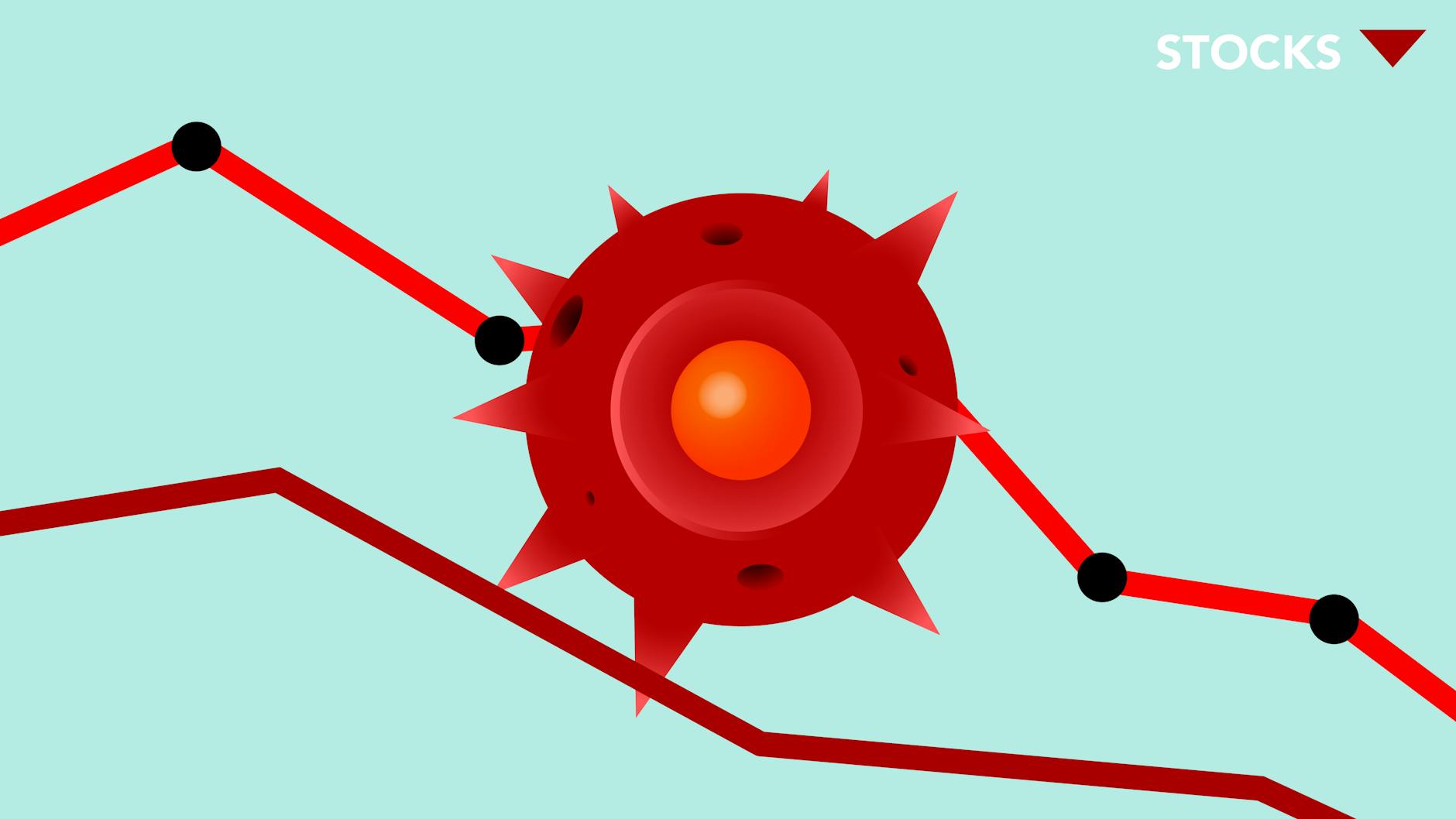
Silver’s performance during the late January selloff deserves separate analysis given its severity. While gold fell approximately 9% from peak to trough, silver plunged 28% in spot markets and 31.4% in futures””the worst trading day since March 1980. This disparity reflects silver’s dual nature as both a precious metal and an industrial commodity, with roughly half of annual demand coming from manufacturing applications.
The silver-to-gold ratio spiked during the selloff as investors fled to the relative safety of gold. This pattern typically occurs during risk-off events when industrial demand concerns compound monetary factors. For traders, such divergences can create opportunities: if the ratio normalizes as markets stabilize, silver could outperform gold during the recovery phase. However, this trade carries substantial risk given silver’s demonstrated volatility.
What Role Are Geopolitical Tensions Playing in Gold Demand?
Geopolitical uncertainty continues providing a floor under gold prices despite the recent correction. When U.S. forces downed an Iranian drone near an aircraft carrier in the Arabian Sea, safe-haven demand immediately increased. Such events remind investors why they hold gold in the first place””as insurance against unpredictable global risks that can emerge without warning.
Looking ahead, several potential flashpoints could trigger renewed flight-to-safety flows into gold. Tensions in the Middle East, the ongoing situation in Eastern Europe, and trade policy uncertainty all contribute to baseline demand for precious metals. While these factors are inherently unpredictable, their persistence suggests that gold’s safe-haven premium is unlikely to disappear. For investors with long time horizons, allocating a portion of portfolios to gold provides protection against tail risks that other assets cannot hedge.
Conclusion
Gold’s recent volatility””from record highs above $5,600 to lows near $4,400 and back above $5,000″”reflects the complex interplay between dollar strength, interest rate expectations, and geopolitical uncertainty. While the inverse correlation with the dollar remains intact at -0.75, the greenback’s 9.58% decline over the past year has actually supported gold’s 76.55% annual gain rather than pressuring prices lower. The late January selloff, triggered by Kevin Warsh’s nomination as Fed chair and subsequent reassessment of rate expectations, proved to be the “healthy correction” that many analysts described rather than a fundamental breakdown.
For investors considering gold exposure, the current environment offers both opportunity and caution. Major banks project prices between $6,300 and $6,500 by year-end, suggesting substantial upside from current levels. However, the metal’s sharp gains already reflect considerable optimism, and risks including dollar strength, rising real rates, and reduced geopolitical tensions could trigger further corrections. Position sizing, avoiding leverage, and maintaining a long-term perspective remain essential strategies for navigating precious metals markets in 2026.