
The key to traveling with coffee gear without overpacking is ruthless prioritization: choose one brewing method that does multiple jobs and strip your setup down to only the essentials that directly impact coffee quality. A single pour-over cone, a collapsible dripper, or an AeroPress can replace five separate devices and take up roughly the space of a water bottle. Most coffee travelers make the mistake of bringing redundant equipment—a grinder, a scale, a kettle, a storage container—when a lightweight hand grinder, a simple digital scale, and a thermos with built-in measuring lines can accomplish the same goal in half the space.
The real constraint isn’t the equipment itself but the willingness to accept minor compromises. You won’t be making espresso on a plane or brewing a full pot for four people, but you can absolutely make excellent coffee in your hotel room or at a campsite with minimal gear. A experienced coffee traveler on a three-week trip to Southeast Asia reduced their setup to under two liters of luggage space by combining a portable kettle that charges via USB, a collapsible pour-over dripper, and pre-ground beans in a vacuum-sealed bag—all items that weigh less than two pounds combined.
Table of Contents
- What Brewing Method Works Best for Travel?
- Grinding, Weighing, and Water Management
- Filters, Beans, and Storage Solutions
- Minimalist Packing Strategies That Actually Work
- Common Breakage and Durability Issues
- Adapting to Different Destinations
- Building a Sustainable Coffee Travel Habit
- Conclusion
- Frequently Asked Questions
What Brewing Method Works Best for Travel?
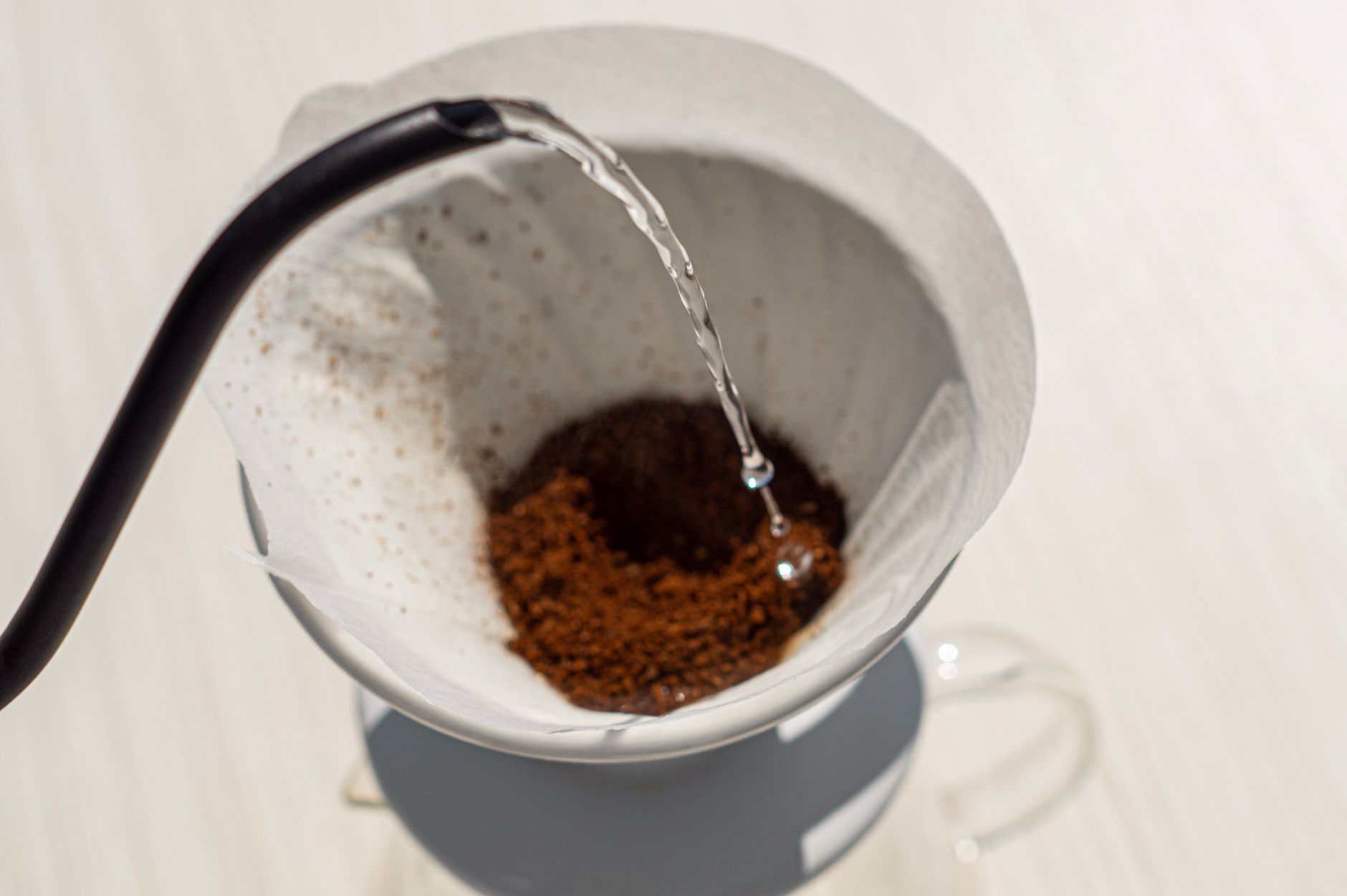
The choice of brewing method determines your entire packing strategy. A manual pour-over (Melitta, Chemex, or Kalita Wave) requires only the cone, filters, and hot water, making it the most compact option for most travelers. An AeroPress is slightly heavier but more durable and produces a richer cup. French presses are generally too fragile and space-intensive for luggage travel, though they work for car trips.
A Moka pot falls somewhere in the middle—compact and reliable but requires a stovetop and produces stronger coffee that many travelers prefer concentrated in smaller cups. For air travel, the pour-over cone wins because it’s completely collapsible, requires no moving parts, and produces excellent coffee in under four minutes. A collapsible silicone version weighs almost nothing and folds flat to the size of a deck of cards. The tradeoff is that you’ll need hot water from a kettle or hotel coffee maker, which means timing your brewing around water availability. An AeroPress, by contrast, is rigid and takes up more space but requires less finesse and works with water at any temperature between 140 and 200 degrees Fahrenheit.
Grinding, Weighing, and Water Management
Grinding your coffee fresh while traveling is possible but adds complexity and weight. A hand grinder weighs between 0.5 and 1.5 pounds depending on the model and takes 5-10 minutes to grind enough beans for one cup. battery-powered burr grinders are lighter and faster but less reliable on the road—if the battery dies or the motor breaks, you’re left with whole beans. Pre-ground coffee stored in a vacuum-sealed bag or airtight container solves the weight problem but costs coffee quality; pre-ground coffee begins losing flavor compounds within hours of grinding, so your coffee will taste noticeably flatter by day three or four of a trip.
A digital kitchen scale is useful for consistency if you’re meticulous about measurements, but it adds 100-200 grams of weight and requires batteries or charging. Most experienced travelers skip the scale entirely and measure by eye—a tablespoon of medium-ground coffee per four ounces of water is the standard ratio, and once you’ve done this a few times, you’ll hit it accurately without measuring. Hot water is the biggest challenge on the road. A portable USB-charged electric kettle takes 8-15 minutes to boil water and weighs about 0.5 pounds; a stovetop kettle works anywhere with a heat source but requires careful packing; relying on hotel kettles or hot tap water works for some destinations but not others, particularly in developing countries where water quality and availability vary.
Filters, Beans, and Storage Solutions
Filters are easy to overlook but critical to pack correctly. Paper filters weigh almost nothing and take up virtually no space—a stack of 100 pour-over filters fits in a small plastic bag. They’re cheap and disposable, which some travelers appreciate, though the environmental cost of throwing away 20 filters over a two-week trip adds up. Metal mesh filters are reusable and eliminate waste but require careful rinsing and packing to prevent mold growth in humid climates.
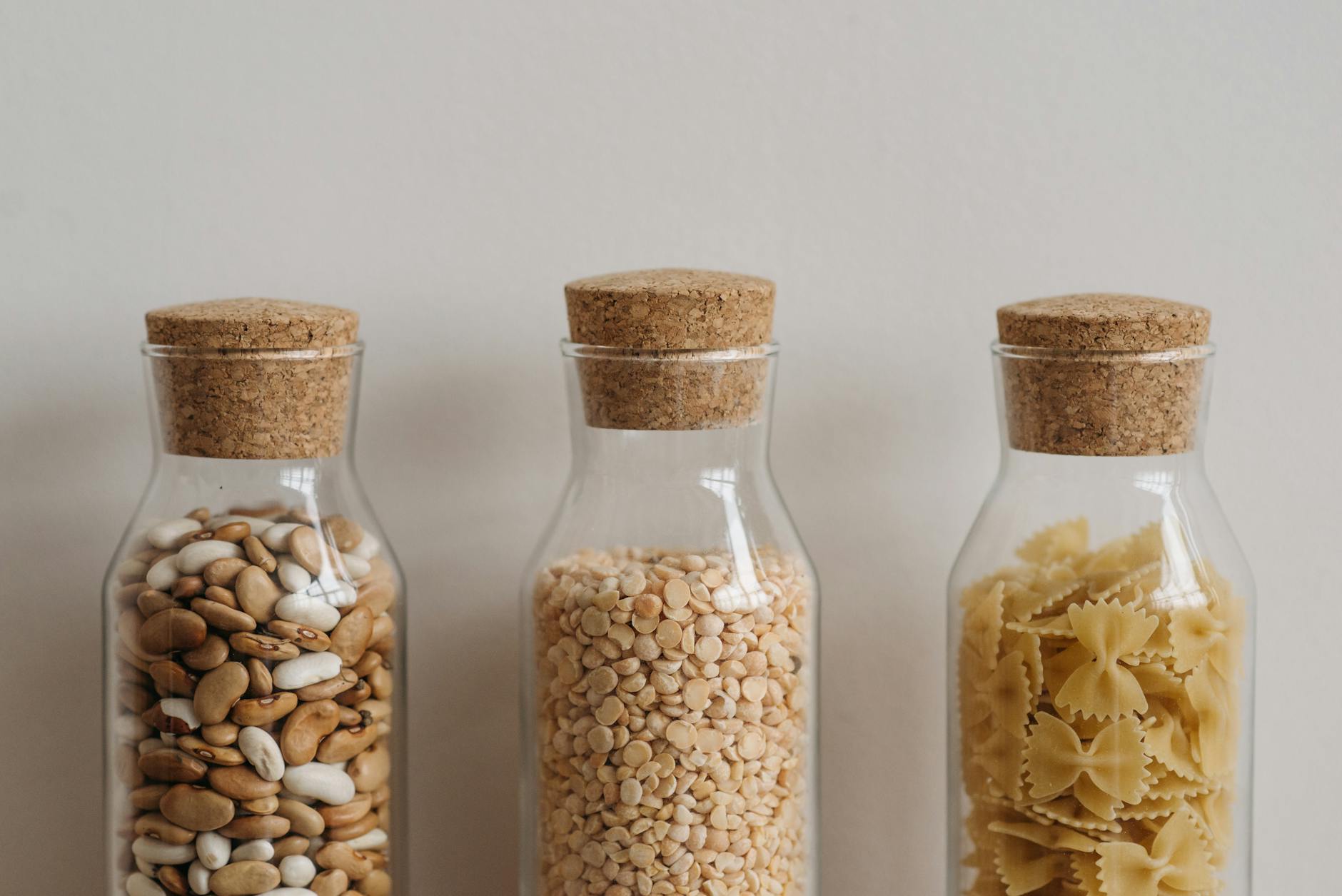
A common mistake is packing filters loose in luggage where they absorb moisture; store them in a sealed plastic bag or small waterproof container instead. Whole beans stay fresh longer than pre-ground but require a grinder, which loops you back to the weight and time problem. Pre-ground coffee in vacuum-sealed bags is a practical compromise for trips under two weeks; for longer trips, buying local coffee at your destination is cheaper and lighter than packing a month’s supply. Buying coffee while traveling also gives you insight into what different regions produce and which roasts and origins suit your taste—a useful strategy for serious coffee drinkers who can turn the search for good coffee into part of the travel experience.
Minimalist Packing Strategies That Actually Work
The most space-efficient approach is to combine your coffee gear with dual-purpose items you’re already packing. A thermos or insulated travel mug can hold hot water before brewing and keeps your finished coffee hot for hours afterward. Instead of a separate storage container, use a ziplock bag or the original coffee bag. Bring a simple spoon or stirrer from the airline rather than packing a dedicated one. Use hotel napkins or a small cloth rather than paper towels.
If you’re staying in Airbnbs with kitchens, you’ll have access to kettles and cups, which means you only need to pack your brewing method and the coffee itself. One traveler’s complete coffee kit for a two-week trip consisted of a collapsible pour-over dripper (50g), a pack of 20 filters (10g), a small bag of locally roasted whole beans (150g), a hand grinder (200g), and a stainless steel mug (100g)—total weight of 510 grams or roughly one pound. This setup fit inside a small packing cube and left room for other essentials. The tradeoff was that grinding took 10 minutes each morning, and there was no room for backup filters or extra beans. A slightly heavier but more convenient version would replace the hand grinder with pre-ground coffee and add a portable kettle, bringing the total to about 800 grams while cutting morning prep time in half.
Common Breakage and Durability Issues
The most common failure point for traveling coffee gear is breakage during transport. Ceramic pour-over cones crack easily if packed incorrectly; glass Chemex pots are beautiful but impractical for any air travel. Plastic and silicone alternatives solve the durability problem but produce slightly different coffee—silicone in particular can impart a faint rubbery taste to your first cup if not rinsed thoroughly, though this fades with use. An AeroPress, despite its plastic construction, is remarkably durable and has survived thousands of trips in carry-ons without damage.
Water damage is the second major concern. A leaking water bottle or hotel kettle can destroy coffee filters and ruin your backup clothes in seconds. Always pack your coffee gear and beans in a waterproof container or sealed plastic bags separate from your main luggage. Keep any filters in a dedicated waterproof compartment. If you’re using a thermos or collapsible water bottle for hot water, test the seal before you leave home and always pack it in a separate waterproof bag inside your luggage, not loose in your carry-on where spills spread easily.
Adapting to Different Destinations
Some destinations have excellent local coffee cultures that make packing your own gear pointless. In Italy, Portugal, Turkey, and parts of South America, café culture is cheap and ubiquitous—a cappuccino costs $1-3, and the quality is often better than anything you can brew in a hotel room.
In these places, skip your gear entirely and spend the weight allowance on other essentials. In other destinations—parts of Asia, Eastern Europe, and developing countries—local coffee is either unavailable, poor quality, or prohibitively expensive. A traveler visiting rural Vietnam or remote areas of Southeast Asia found that local coffee was either instant or unknown; packing a simple pour-over setup and beans allowed her to start each day with familiar coffee while exploring places where specialty coffee culture doesn’t exist.
Building a Sustainable Coffee Travel Habit
The key to long-term travel coffee success is starting with a single destination and one brewing method, then refining your setup based on what you actually use. Overpacking gear on your first trip and gradually paring down over subsequent trips is a normal learning curve.
Many experienced travelers end up with two separate setups—a minimal ultralight version for air travel and hotel stays, and a slightly more elaborate version for road trips or rental properties where you have more space and longer stays. The practice also connects you more deeply to places you visit: learning about local coffee traditions, seeking out specialty roasters, and understanding how geography and climate shape what’s available in different regions becomes part of the travel experience rather than a background concern.
Conclusion
Traveling with coffee gear without overpacking comes down to three decisions: choose a single, multi-purpose brewing method, accept that you won’t be able to replicate your home setup exactly, and pack only items that directly impact the final cup. A collapsible pour-over cone, a small bag of coffee, a simple source of hot water, and filters are genuinely all you need to make excellent coffee anywhere in the world, and this entire setup fits in a container smaller than a paperback book. The financial argument for traveling with your own gear depends on your trip length and destination.
A two-week trip where you’d normally spend $5-10 per day on café coffee (totaling $70-140) justifies packing a $20-50 gear setup and $10-15 in beans. Longer trips or destinations with expensive coffee culture make the gear investment even more sensible. The flexibility to make coffee on your schedule—before dawn hikes, during work-focused afternoons, or late at night—is valuable beyond just the money saved.
Frequently Asked Questions
Can I bring a kettle on a plane in my carry-on?
Portable electric kettles are allowed in carry-on luggage by most airlines because they contain no flammable liquid and pose no safety risk. Check your airline’s specific rules before traveling, but most permit them without restriction.
How long does pre-ground coffee stay fresh when traveling?
Pre-ground coffee remains acceptable for about 5-7 days in an airtight container at room temperature. After a week, the flavor noticeably flattens. For trips longer than one week, plan to either buy local coffee halfway through or upgrade to whole beans and a grinder.
Is a hand grinder worth the weight and time for short trips?
For trips under five days, pre-ground coffee is more practical—the weight and 10-minute daily grinding ritual outweigh the marginal flavor improvement. For trips over one week, a hand grinder becomes worthwhile if coffee quality matters to you and you have time for the ritual.
What should I do if my gear breaks while traveling?
Most destinations have local café culture you can rely on temporarily. In urban areas, you can often buy a simple pour-over cone or Moka pot locally and use it for the rest of your trip. In remote areas, instant coffee or local preparations become your backup plan.
How do I keep water hot without a kettle?
Most hotels have kettles available upon request. Instant hot water from hotel taps or instant coffee makers provides water hot enough for most brewing methods. In cafés, restaurants, or hostels, you can usually ask for hot water. A thermos filled at breakfast keeps water hot for afternoon or evening brewing.
What’s the lightest possible coffee setup?
A collapsible silicone pour-over cone (50g), a pack of 50 filters (15g), and pre-ground coffee in vacuum-sealed bags (150-200g) totals around 215-265 grams. This uses hot water from any available source and represents the absolute minimum for brewing fresh coffee while traveling.