
No. There is no “$825 IRS relief deposit” for retired teachers, and if you’ve received a message claiming this, it’s almost certainly a scam. The Internal Revenue Service has never announced such a program, and no legitimate government relief initiative matching this description exists. This claim has become one of the most common fraud tactics targeting retirees in early 2026, often arriving via unsolicited emails, text messages, or phone calls that create artificial urgency by claiming the deposit will arrive “next week” or that you must claim it immediately.
This article explains why this specific claim is false, how scammers are using it to target vulnerable retirees, and what red flags you should watch for to protect yourself. The appeal of this scam is straightforward: it exploits the real financial pressures many retirees face while impersonating a trusted institution. Scammers know that retired teachers—a demographic with both the financial literacy to understand government programs and the income patterns that make legitimate IRS interactions more likely—are worth targeting. By combining a specific dollar amount ($825, just large enough to matter but small enough to seem plausible), a sympathetic audience (retired educators), and a trusted authority (the IRS), fraudsters create a message that feels urgent and legitimate. However, understanding the actual policies of the IRS and recognizing the patterns of modern tax fraud can protect you from losing money or compromising your personal information.
Table of Contents
- Does an $825 IRS Relief Deposit for Retired Teachers Actually Exist?
- How Scammers Use This False Claim to Extract Money and Personal Information
- The IRS Dirty Dozen 2026: Why Tax Fraud Is Intensifying Against Retirees
- AI-Enhanced Fraud: How Scammers Are Making Fake Messages More Convincing
- Red Flags and Payment Methods That Signal a Scam
- Who Scammers Are Targeting and Why Retired Teachers Are Particularly Vulnerable
- What the IRS Actually Offers and How to Verify Real Tax Relief Programs
- Conclusion
Does an $825 IRS Relief Deposit for Retired Teachers Actually Exist?
No. There is no “$825 irs relief deposit” program for retired teachers, retired federal employees, retired military personnel, or any other group. A search of official IRS sources, Treasury Department announcements, and verified fact-checks found zero references to such a program. The IRS does not distribute relief payments through unsolicited communications, and it does not send funds to accounts based on employment history or retirement status in this manner. If a program like this existed, it would be prominently featured on IRS.gov, announced through official press releases, and discussed extensively by major news outlets and financial advisors.
The complete absence of legitimate sources discussing this “$825 deposit” is itself the strongest indicator that it’s fictional. The confusion may partly stem from real IRS programs that do exist. The IRS has administered stimulus payments, tax credits, and child tax credit advances in recent years. However, these programs have specific eligibility criteria, known timelines, and official channels for claiming them. They’re never promoted through unsolicited emails or texts, and the IRS never contacts people directly to tell them they’re eligible without the person initiating the inquiry first. Anyone claiming to have received an unsolicited message about a government payment should immediately treat it as suspicious.
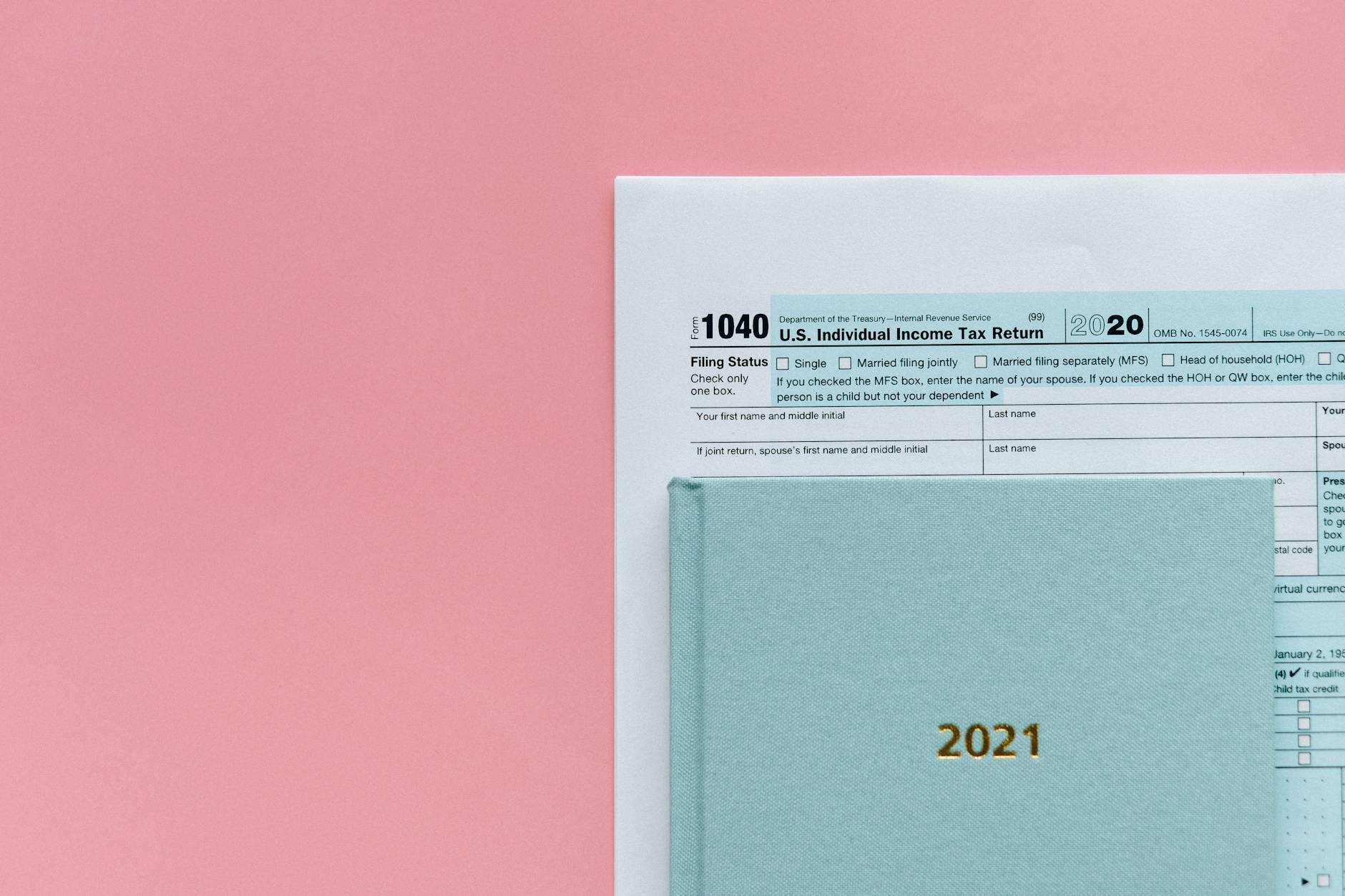
How Scammers Use This False Claim to Extract Money and Personal Information
Scammers use the “$825 deposit” message as an entry point to either steal money directly or harvest personal information. The initial message typically comes via email, text, or social media and includes language designed to create panic or excitement: “Claim your relief deposit,” “Your deposit is pending,” “This ends Friday,” or “Verify your identity to unlock your funds.” When someone clicks a link or calls the number provided, they’re directed to a fake website that mimics an official IRS page or asked to provide personal details over the phone—name, social security number, date of birth, bank account information, or tax ID. Once scammers have this information, they can file fraudulent tax returns, open credit accounts, or commit identity theft.
In some variants, the scammer doesn’t ask for sensitive information upfront but instead claims there’s a processing fee ($25 to $100) needed to “unlock” or “verify” the deposit. Victims who pay this fee receive nothing but notification of overdraft charges when the fee is debited from their account. Some scammers use a more sophisticated approach: they may place fraudulent charges on a victim’s debit or credit card, then follow up with another message claiming the IRS is “reversing” these charges and that the victim needs to call a number to confirm the refund. The follow-up call is another scammer, who uses the confusion to extract banking details or payment information.
The IRS Dirty Dozen 2026: Why Tax Fraud Is Intensifying Against Retirees
The IRS publicly released its “Dirty Dozen” list of the 12 most common tax scams for 2026, and impersonation fraud ranks among the top threats. Scammers claiming to represent the IRS, Social Security Administration, Medicare, or other government agencies are actively contacting millions of Americans. According to recent reporting on the Dirty Dozen list, scammers are specifically targeting people over age 65 and those approaching retirement, using tactics that range from unsolicited phone calls to sophisticated phishing emails. This intensification reflects a broader shift in fraud tactics—scammers view seniors and retirees as having assets, regular income (pensions, Social Security, retirement accounts), and potentially lower comfort levels with digital security practices.
The Dirty Dozen also highlights that fraudsters often claim they can “block Social Security benefits” or “revoke Medicare coverage” unless the victim makes an immediate payment. The “$825 deposit” claim works similarly: it creates a sense of opportunity (free money) combined with urgency (it arrives “next week” or will “expire”). The fact that the IRS felt compelled to publicly warn about these patterns demonstrates how prevalent and effective these scams have become. If you’re over 65 or retired, you’re statistically more likely to receive one of these fraudulent messages in 2026 than you were in prior years.
AI-Enhanced Fraud: How Scammers Are Making Fake Messages More Convincing
One reason these scams are becoming more effective is the introduction of artificial intelligence into the fraud process. Scammers are now using AI to generate convincing emails and texts that mimic the exact format and language of legitimate IRS communications. Some sophisticated operations use AI voice cloning to impersonate IRS agents during phone calls—a caller might sound official, calm, and knowledgeable about specific tax topics, making the deception harder to detect. AI can also be used to generate fake “official notices” with genuine-looking layouts, logos, and language copied from actual IRS documents.
When someone receives an AI-generated fake notice by email that looks like something from the IRS, their guard naturally drops. The challenge for victims is that these AI-generated messages are often nearly indistinguishable from genuine communications at first glance. However, the fundamental rules of IRS communication haven’t changed: the IRS does not initiate contact through unsolicited emails, texts, or social media messages. Any message that arrives unexpectedly claiming to be from the IRS should be treated as suspicious, regardless of how professional or official-looking it appears. If you receive such a message, hang up the phone or delete the email, and instead contact the IRS directly using the phone number listed on IRS.gov or on an official tax document you already have on file.
Red Flags and Payment Methods That Signal a Scam
The IRS has explicitly stated that it does not accept payment via gift cards, cryptocurrency, wire transfers, money orders, or prepaid debit cards. If anyone claiming to represent the IRS asks you to pay using any of these methods, it is 100% a scam. Legitimate government agencies process payments through standard banking channels, verified checks, or official online payment systems with verifiable URLs.
A scammer asking you to buy iTunes gift cards, Google Play cards, Amazon cards, or to pay in Bitcoin is advertising their fraud clearly, and yet thousands of retirees fall for this approach annually. Other warning signs include: (1) pressure to act immediately, (2) threats of arrest, account closure, or benefit termination, (3) requests for personal information “to verify your identity,” (4) offers of unusual refund amounts, (5) emails or texts that contain links you’re urged to click, and (6) demands for payment before you’ve initiated any tax-related inquiry. Legitimate IRS interactions typically unfold slowly, with official notices mailed to your home and opportunities to verify the request before any personal information changes hands. If you’re unsure whether a communication is real, contact the IRS directly at the phone number on IRS.gov, never using a phone number from the message you received.

Who Scammers Are Targeting and Why Retired Teachers Are Particularly Vulnerable
Retired teachers represent an especially attractive target for scammers for several specific reasons. First, they have structured income (pensions and Social Security) that makes them appear financially stable and less likely to dispute fraudulent charges immediately. Second, they typically have credit history and established financial accounts, which are valuable to identity thieves. Third, teachers have spent their careers in an authority-respecting profession, which can make them more likely to trust official-sounding communications.
Fourth, retirees as a demographic are less frequently targeted by consumer marketing, which means they may be less familiar with recognizing phishing and social engineering tactics compared to younger populations who encounter spam emails daily. Scammers also recognize that retired teachers may be more concerned about taxes, government benefits, and documentation—making messages about “relief deposits,” “unclaimed refunds,” or “pending claims” more likely to generate interest. A retiree who’s been careful with finances throughout their life may believe they’ve overlooked something, or that they qualify for a benefit they didn’t know existed. This combination of financial credibility, respect for authority, and financial conscientiousness makes the demographic particularly worth exploiting from a criminal perspective.
What the IRS Actually Offers and How to Verify Real Tax Relief Programs
While the “$825 deposit” is fake, the IRS does offer legitimate relief programs, tax credits, and refund opportunities. These include the Earned Income Tax Credit (EITC), which is available to eligible retirees with modest incomes; the Saver’s Credit, which provides a tax credit for retirement savings contributions; and the Retirement Savings Contribution Credit (up to $1,000 for eligible individuals). Additionally, the IRS periodically identifies unclaimed refunds owed to taxpayers. However, claiming these benefits involves filing a tax return or amending a prior year return through official channels, not receiving unsolicited notifications about deposits.
If you believe you may be eligible for a legitimate tax credit or refund, the correct approach is to contact the IRS directly through IRS.gov, call the IRS at 1-800-829-1040, or work with a qualified tax professional or preparer. You can also file a tax return or amended return (Form 1040-X) through the official IRS website or with a tax software provider. The IRS will never contact you first about money you’re owed. If you’ve already engaged with a scammer and provided personal information, place a fraud alert with the three major credit bureaus (Equifax, Experian, and TransUnion) and monitor your credit reports and financial accounts closely.
Conclusion
The “$825 IRS relief deposit” claim targeting retired teachers is a scam with no basis in legitimate government policy. No such program exists, and the IRS would never promote real benefits through unsolicited emails, texts, or phone calls. Scammers are using this specific claim in 2026 as part of a broader wave of fraud targeting seniors and retirees, sometimes enhanced with AI-generated fake documents and voice clones to make the deception more convincing. Understanding the actual policies of the IRS—including its refusal to contact people unsolicited, its rejection of alternative payment methods, and its tendency to move slowly through official channels—is the best defense against falling victim to this fraud.
If you receive a message about a “$825 IRS deposit” or any similar unsolicited claim of government money, delete it immediately. Do not click links, call numbers provided, or share any personal information. If you’re concerned you may be entitled to tax relief or credits, take the initiative yourself to contact the IRS through official channels or work with a qualified tax professional. By staying informed about these scams and remaining skeptical of unsolicited offers—no matter how official they appear—you protect your identity, your finances, and your peace of mind during retirement.
You Might Also Like
- Fact Check: Are Caregivers Set to Receive a $3,170 IRS Relief Deposit Starting Today? No. Here’s What’s Real and What’s a Scam.
- Fact Check: Are Social Security Recipients Receiving a $4,030 IRS Relief Deposit in March 2026? No. Here’s What’s True.
- Fact Check: Are Social Security Recipients Being Paid a $710 IRS Relief Deposit in Q1 2026? No. Here’s What’s Legit.