
No. There is no legitimate “$3,170 IRS Relief Deposit” program for caregivers, and any message claiming one exists starting today is a scam. If you’ve received an email, text message, or phone call promising this amount as a direct deposit to your account, it’s designed to steal your personal information, banking details, or money. The IRS does not initiate contact with taxpayers to offer unsolicited relief payments, and legitimate caregiver tax benefits are claimed on tax returns—not delivered as surprise deposits to your bank account.
This misinformation likely circulates because it contains just enough real-world context to sound plausible. The IRS did report that the average tax refund in recent years was around $3,167, and caregivers do have legitimate tax benefits available. Scammers have weaponized this combination to create urgency and exploit people who care for dependents or elderly family members. This article breaks down what’s real, what’s fake, and how to protect yourself from one of the most persistent tax scams of 2026.
Table of Contents
- Why the “$3,170 Caregiver Deposit” Claim Is a Fabrication
- What Legitimate Caregiver Tax Benefits Actually Exist in 2026
- How Legitimate Caregiver Tax Benefits Actually Get Processed
- Spotting the Red Flags of IRS Impersonation Scams
- What the IRS Actually Warns About in 2026
- What to Do If You Encounter This Scam
- Building Your Defense Against Tax Scams
- Conclusion
Why the “$3,170 Caregiver Deposit” Claim Is a Fabrication
The $3,170 figure is a red flag designed to appear credible without actually corresponding to any IRS program. While $3,167 happens to be the average federal tax refund from previous years, this statistic applies to all taxpayers, not caregivers specifically. Scammers seized on this number and repackaged it as a “caregiver relief deposit” to target a specific demographic—people who are often stretched thin financially and emotionally, caring for aging parents, disabled relatives, or special needs children. The mechanics of this scam are straightforward: a message claims the IRS is automatically depositing $3,170 into your account (sometimes with a twist—”confirm your bank account to receive it”). The sender may use spoofed IRS phone numbers, official-looking logos, or urgency language like “starting today” to pressure you into acting.
Some variations claim the deposit is delayed and you need to update your information. Others demand you act before a deadline. None of these are real IRS processes. The IRS has never, in its entire history, sent unsolicited direct deposits to taxpayers as “relief payments.” If you qualify for a refund or credit, it comes as a result of filing a tax return or applying for a specific program. It doesn’t arrive as a surprise—and it certainly doesn’t come from an unknown sender claiming immediate eligibility with no application process.

What Legitimate Caregiver Tax Benefits Actually Exist in 2026
The good news is that caregivers do have real, substantial tax benefits available. The most significant is the Child and Dependent Care Credit, which allows you to claim up to $3,000 in qualifying expenses if you pay for childcare, adult daycare, or care for a disabled spouse to enable you to work. If you have two or more dependents in care, that limit increases to $6,000. This credit is claimed on your tax return (Form 2441), and you receive the benefit when you file—it reduces what you owe or increases your refund, but it’s not a direct deposit from the IRS. Beyond that, there’s the Credit for Other Dependents, which provides up to $500 per qualifying dependent (this applies to dependents who don’t qualify for the child tax credit, including elderly parents or disabled adult children you support). If you’re an employee with dependents in care, must keep receipts, invoices, and care provider information to substantiate them if the IRS ever asks. If you’re claiming these benefits without documentation, you’re exposed—not just to losing the benefit, but to penalties and potential audit.
How Legitimate Caregiver Tax Benefits Actually Get Processed
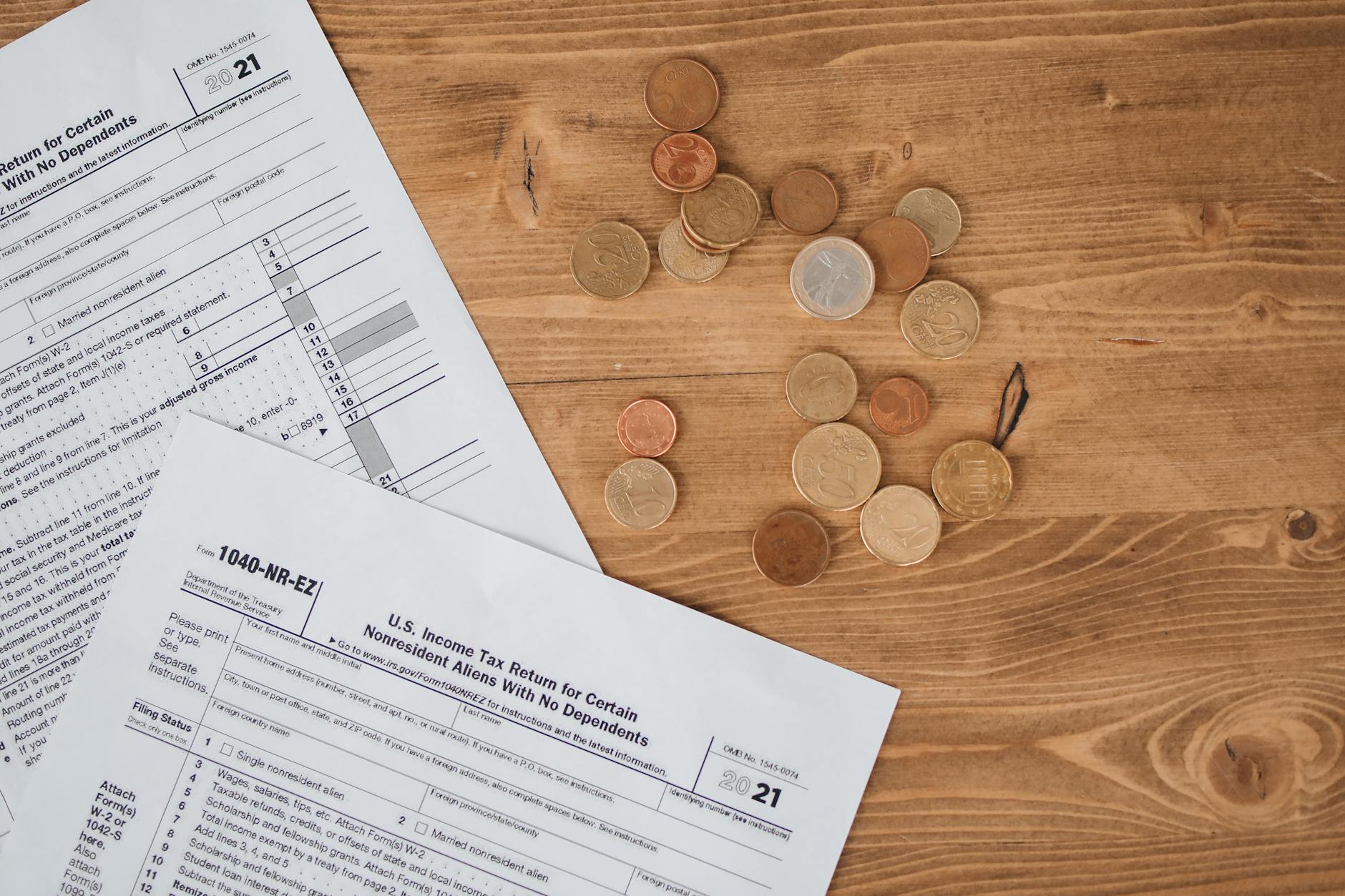
Understanding how real tax benefits work is your best defense against scams. When you file your federal tax return, you report qualifying care expenses and claim the applicable credits. The IRS processes your return—a step that typically takes weeks or months, not hours. If you’re entitled to a refund, it gets deposited to the bank account you provide on your tax return. If you owe taxes, you don’t receive anything; you pay the government. For Dependent Care FSA benefits, the process is even different. You enroll through your employer’s benefits plan during open enrollment, and your employer deducts pre-tax contributions from your paycheck throughout the year.
You then submit receipts to a claims administrator to be reimbursed. There’s no IRS involvement in this flow; your employer and a third-party administrator manage it entirely. The tax savings happen automatically because the contribution is pre-tax, but the IRS doesn’t send you money. Here’s where scammers exploit confusion: people know they have tax benefits coming and expect refunds, but they’re unfamiliar with the timelines and mechanics. A scammer calling and saying “We detected you’re entitled to a $3,170 caregiver relief deposit—we’re processing it now” sounds urgent and specific enough to bypass critical thinking. But legitimate tax processing is bureaucratic and slow, never immediate. If someone is promising instant money, it’s not the IRS.
Spotting the Red Flags of IRS Impersonation Scams
The IRS’s 2026 “Dirty Dozen” tax scams list prominently features IRS impersonation, and caregiver-focused scams fall squarely into this category. The first red flag is unsolicited contact. The IRS doesn’t call, email, or text taxpayers about refunds or benefits they’re entitled to. It doesn’t cold-contact people to inform them of relief programs. If you receive a message from someone claiming to represent the IRS offering money, that’s a scam, period. Scammers have become increasingly sophisticated. Some use spoofed phone numbers that appear to be from your local IRS office or Washington, D.C. Others send emails with logos so accurate they’re nearly indistinguishable from legitimate IRS correspondence.
The most advanced scams now use AI-generated voice calls that sound like human agents and can respond conversationally to your questions. These are particularly dangerous because they feel authentic; the scammer is not fumbling or uncertain. The second red flag is requests for sensitive information or payment. Real tax benefits never require you to “verify” your identity by providing a Social Security number, bank account number, or credit card information to an unsolicited caller or email sender. The IRS already has all this information if you’ve filed a return. Additionally, legitimate tax credits don’t involve paying money upfront. If someone is asking you to pay a fee to claim a caregiver benefit or to unlock a relief deposit, it’s a scam. If they’re asking you to buy gift cards or wire money to “activate” your benefit, it’s absolutely a scam.
What the IRS Actually Warns About in 2026
The IRS released its 2026 Dirty Dozen scam warnings specifically because fraudsters are growing bolder and more convincing. Beyond IRS impersonation calls, the warnings highlight fake websites designed to look like official IRS portals. These sites mimic IRS.gov so closely that even careful people can be fooled, especially if they’re directed to the fake site via email or text. Once on the fake site, victims are asked to log in or provide information, which is then captured by the scammers. Another warning centers on “urgency and threats.” Scammers claim your benefits will be forfeited if you don’t act immediately, or they threaten arrest, license suspension, or other penalties for unpaid taxes. These tactics are designed to short-circuit rational thinking.
Real IRS notices come via mail, not emergency calls, and the IRS provides 30 days to respond. Email or text messages claiming your account will be frozen or legal action will be taken within hours are always scams. The most recent warning involves AI voice mimicry in robocalls. Scammers now can make convincing voice recordings that sound like government officials, borrowing inflection, pacing, and accent patterns. A recording might say, “This is the IRS. We detected suspicious activity on your account,” in a way that sounds entirely authentic. The goal is to convince you to press a button or speak to a “representative” who’s actually a scammer ready to social engineer you into revealing information or sending money.
What to Do If You Encounter This Scam
If you receive a message claiming you’re entitled to a $3,170 IRS caregiver deposit, do not engage. Don’t click links in emails, don’t call back phone numbers from unsolicited texts, and don’t reply to direct messages claiming to be from the IRS. Even if the message seems official or the phone number looks legitimate, it’s not. The single best action is to report it to the IRS directly.
Report phishing emails and suspicious tax communications to phishing@irs.gov. Report fraudulent phone calls to the Treasury Inspector General for Tax Administration (TIGTA) at treasury.gov/tigta or by calling 1-800-366-4484. If you’ve already engaged with a scammer and provided information, monitor your credit reports and bank accounts closely for fraudulent activity. You can place a fraud alert with the three major credit bureaus (Equifax, Experian, TransUnion) for free. If money was taken from your account, contact your bank immediately to dispute the transaction.
Building Your Defense Against Tax Scams
As scams become more sophisticated, your best defense is understanding how legitimate tax benefits actually work. Take time to learn the mechanics: real credits and deductions are claimed on tax returns, refunds come weeks or months later, and the IRS never contacts you first about money you’re owed. When you understand the real process, any deviation from it immediately signals fraud. Looking forward, expect IRS scams to continue evolving.
AI voice technology will become more convincing. Phishing emails will become harder to distinguish from legitimate correspondence. Scammers will exploit emerging tax policies and relief programs, knowing that confusion creates opportunity. Your protection lies in skepticism toward unsolicited contact, verification of contact information through official channels (look up IRS phone numbers yourself; don’t use ones from the message), and immediate reporting when you suspect fraud. Caregivers are often targeted because they’re time-poor and may not have resources to educate themselves on tax details—but spending 10 minutes understanding your legitimate benefits now could save you thousands in fraud losses and identity theft later.
Conclusion
The “$3,170 IRS Relief Deposit” for caregivers is not real. It’s a scam designed to exploit people who carry the emotional and financial burden of caring for dependents or elderly relatives. The actual tax benefits available to caregivers—the Child and Dependent Care Credit, Credit for Other Dependents, and Dependent Care FSA—are substantial and worth claiming, but they require filing a tax return or enrolling through your employer, not waiting for mysterious deposits from the IRS.
Your next step is straightforward: if you’ve encountered this scam, report it immediately to phishing@irs.gov or TIGTA. If you legitimately care for dependents or relatives, consult a tax professional or visit IRS.gov to understand which credits and deductions apply to your situation. And if you receive future messages claiming unsolicited IRS benefits, remember the cardinal rule: the IRS never initiates contact to offer you money. Anything claiming otherwise is a scam, full stop.
You Might Also Like
- Fact Check: Are Social Security Recipients Being Paid a $710 IRS Relief Deposit in Q1 2026? No. Here’s What’s Legit.
- Fact Check: Are SSI Recipients Receiving a $1,775 Utility Relief Refund This Year? No. Here’s What’s Real and What’s a Scam.
- Fact Check: Are Pension Holders Set to Receive a $2,585 Relief Check This Week? No. Here’s What’s Actually Available.