
Emergency crews responded to a smoke report at 6 East 43rd Street in Midtown Manhattan on Tuesday morning, with approximately 140 fire and EMS personnel deploying to a 28-story commercial high-rise being renovated into apartments. The fire broke out around 9:45 a.m. in the building’s cooling tower on the roof and was brought under control within about 1.5 hours, with three people sustaining minor smoke-related injuries including an EMS lieutenant and a police officer.
For real estate investors and those tracking Manhattan’s construction landscape, this incident highlights both the operational challenges of large-scale urban renovations and the effectiveness of the city’s emergency response infrastructure in a densely developed neighborhood. The building sits between Fifth and Madison avenues in one of Manhattan’s most valuable commercial districts, just one block from the St. Patrick’s Day Parade route. This article examines what happened during the emergency response, why the incident matters for investors watching the Manhattan real estate and renovation market, and what it reveals about safety considerations in high-rise conversion projects.
Table of Contents
- How a Cooling Tower Fire Tested Manhattan’s Emergency Response System
- Why Rooftop HVAC Systems Present Unique Risk in Commercial-to-Residential Conversions
- Manhattan’s Conversion Pipeline and the Capital Requirements for Safety Systems
- Insurance Implications and Risk Assessment for Conversion Projects
- Construction Worker Safety and Compliance During Emergency Evacuation
- Midtown Manhattan’s Aging Building Stock and Mechanical System Vulnerabilities
- Urban Real Estate and the Reality of Managing Risk in Dense Environments
- Conclusion
How a Cooling Tower Fire Tested Manhattan’s Emergency Response System
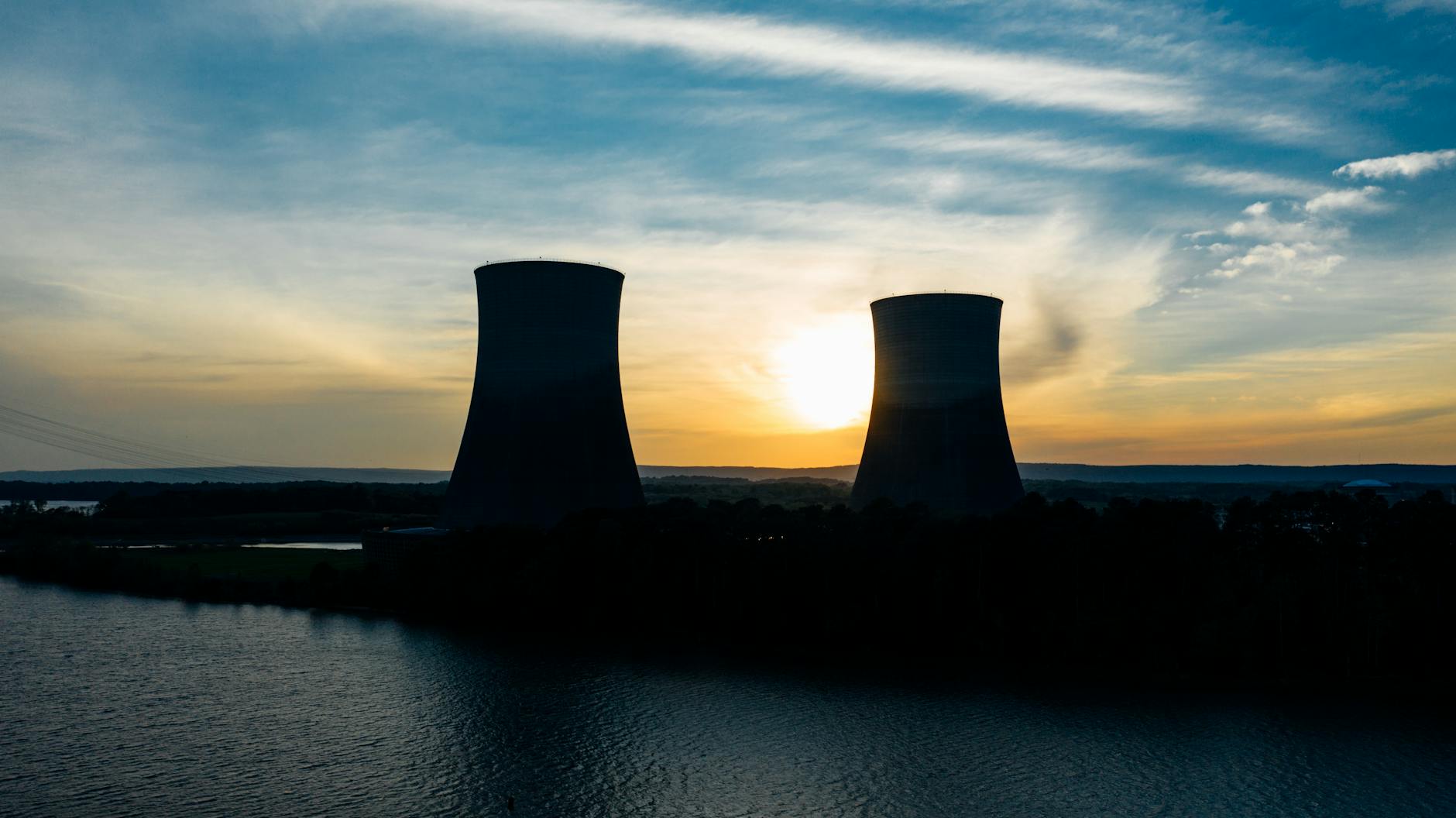
The fire originated in the building’s HVAC cooling tower system on the roof, a common source of wind-driven fires in high-rise buildings. The wind conditions on Tuesday morning converted what might have been a contained mechanical malfunction into a significant incident requiring an all-hands response. The fire department’s decision to mobilize 140 personnel—a substantial force for a contained rooftop fire—reflects the operational complexity of fighting fires in 28-story structures where water pressure, access routes, and smoke spread present compounding challenges.
For investors tracking municipal infrastructure and emergency services, this response rate demonstrates New York City’s capacity to deploy resources rapidly to midtown locations. However, the wind-driven nature of the fire also illustrates a vulnerability: high-rise building systems are susceptible to accelerated fire spread when weather conditions align with mechanical failures. Buildings undergoing renovation, like this property, may have upgraded HVAC systems that are less familiar to emergency crews, potentially adding minutes to response time as crews assess system configurations.
Why Rooftop HVAC Systems Present Unique Risk in Commercial-to-Residential Conversions
Converting a commercial office tower to residential apartments requires replacing or significantly upgrading mechanical systems, including cooling towers that are typically larger and more complex than residential HVAC installations. These systems operate at higher pressures and handle greater volumes of water than residential alternatives, creating proportionally greater fire risk if components fail. The cooling tower fire at 6 East 43rd Street occurred in a building mid-renovation, a phase when new mechanical systems may be operating under stress while older systems are being decommissioned.
Investors financing conversion projects should note that renovation-phase fires are not uncommon—mechanical work creates temporary vulnerabilities, staging of equipment creates trip hazards for emergency crews, and incomplete fire suppression systems leave properties exposed. While the 1.5-hour containment at this property represents competent emergency response, a fire in a fully occupied residential building with more complex interior layouts could have resulted in longer response times and greater evacuation challenges. The fact that all construction workers in the building evacuated safely without serious injury speaks to both their training and the building’s evacuation infrastructure.
Manhattan’s Conversion Pipeline and the Capital Requirements for Safety Systems
The 28-story property at 6 East 43rd Street is one of dozens of commercial office towers in Midtown undergoing conversion to residential or mixed-use properties. Investors in real estate development and property companies need to understand that safety system upgrades—including fire suppression, HVAC redundancy, and structural modifications—can add 8-15% to total renovation costs. This particular building’s cooling tower fire, while minor in outcome, required emergency department inspection and certification before re-occupancy, potentially delaying the project timeline.
For developers and investors in the Manhattan residential conversion space, the Midtown market offers premium positioning and strong demand, but it also demands capital-intensive compliance with New York City’s Building Code and Fire Code requirements. Properties in the heart of Manhattan’s business district face higher costs for mechanical installation and compliance inspection than similar conversions in other boroughs. The proximity of 6 East 43rd Street to the parade route and other major landmarks also means that emergency response protocols and public safety coordination are more stringent.
Insurance Implications and Risk Assessment for Conversion Projects
Fire events during construction or renovation phases carry significant insurance implications. The property’s insurance carrier will investigate the cause of the cooling tower fire, assess whether the contractor’s maintenance protocols contributed to the failure, and potentially require enhanced inspections before coverage resumes. For investors holding equity in conversion projects, fire incidents—even minor ones with quick resolution—can affect insurance premiums for the remainder of the renovation phase and for the completed residential property.
Additionally, the incident provides market data on municipal fire department response times in Midtown, which insurers use to set rates for commercial and residential properties in the area. A well-executed emergency response, like the one documented at 6 East 43rd Street, can actually support insurance rate stability, as it demonstrates that infrastructure supports rapid intervention. Conversely, if response had been slower or if the fire had spread to occupied floors, insurance costs for future properties in the area could rise. Investors in real estate should factor fire events into their risk models, not as reasons to avoid markets, but as data points that shape capital requirements.
Construction Worker Safety and Compliance During Emergency Evacuation
The successful evacuation of all construction workers with only three minor smoke-related injuries among first responders demonstrates effective communication between the building management, emergency crews, and the construction contractor. However, evacuation during active construction presents distinct challenges: construction sites have temporary barriers, incomplete fire-safety systems, and workers who may be unfamiliar with the building’s layout. The incident at 6 East 43rd Street occurred early in the workday, likely before the full workforce had assembled—a timing factor that simplified evacuation logistics.
For investors in construction companies and contractors specializing in high-rise renovation, this incident underscores why safety protocols and regular evacuation drills are not just compliance necessities but operational essentials that protect profitability. A more severe incident with casualties would have exposed the contractor to litigation, potential OSHA penalties, and reputational damage that affects future contract opportunities. The smooth evacuation at this property reflects the contractor’s investment in safety infrastructure, a factor that should factor into investment decisions when evaluating construction firm quality.

Midtown Manhattan’s Aging Building Stock and Mechanical System Vulnerabilities
The building at 6 East 43rd Street, while being upgraded, represents a larger pattern in Manhattan’s commercial real estate portfolio: office towers built in earlier decades with mechanical systems that have reached the end of their service life. The cooling tower that caught fire was likely original to the building or a first-generation replacement installed 20+ years ago. As more buildings transition from office to residential use, they face simultaneous upgrade demands for HVAC, electrical, plumbing, and fire suppression systems.
This creates both risk and investment opportunity. Properties requiring comprehensive mechanical upgrades represent higher capital demands upfront but, once completed, have modern systems with lower operational risk and better energy efficiency. For investors evaluating Midtown conversion opportunities, mechanical age should be a primary due-diligence factor—new HVAC systems reduce fire risk, lower operational costs, and support higher rental rates in the residential market.
Urban Real Estate and the Reality of Managing Risk in Dense Environments
The Manhattan high-rise emergency response illustrates a core challenge of urban real estate investment: density creates both value and risk. The location of 6 East 43rd Street—one block from a major parade route, adjacent to Fifth Avenue retail, near Grand Central—is precisely why the conversion to residential use justifies major capital investment. However, that same density means that mechanical failures can quickly require large emergency responses, that evacuation logistics are complex, and that any incident affects multiple stakeholders.
Looking forward, investors in Manhattan real estate should expect that mechanical system failures during renovation phases will continue to occur—not as anomalies but as normal incidents in a market with constant upgrading and conversion activity. The key differentiator is response quality and speed, both of which were demonstrated at 6 East 43rd Street. Properties in well-resourced neighborhoods with strong municipal services command premiums not only for their location but for the reliability of emergency infrastructure that protects capital.
Conclusion
The Manhattan high-rise emergency at 6 East 43rd Street demonstrates that even in a city with excellent emergency infrastructure, mechanical failures during renovation phases require rapid, well-coordinated responses. The 140 personnel who responded, the 1.5-hour containment of the fire, and the safe evacuation of workers reflect operational excellence from the city’s emergency services.
For investors, the incident underscores why mechanical system age and upgrade requirements should be central considerations in real estate due diligence. The broader lesson is that Manhattan’s conversion market offers attractive long-term returns, but those returns require understanding and budgeting for the capital demands of modern building systems, the risks associated with renovation-phase operations, and the importance of quality contractors who prioritize safety protocols. Properties like the one at 6 East 43rd Street, once renovation is complete and modern systems are operating safely, represent valuable assets in one of the world’s most durable real estate markets.