
Michael Vick, the former Atlanta Falcons quarterback once considered among the most electrifying players in NFL history, was released from federal prison in May 2009 after serving 19 months of a 23-month sentence for his role in operating an interstate dogfighting ring. The early release came after Vick completed the final two months of his sentence under home confinement at his Virginia residence, a standard federal practice for non-violent offenders who demonstrate good behavior. His case marked one of the most dramatic falls from grace in professional sports history, as Vick went from signing a $130 million contract to losing nearly everything””his career, his endorsements, and his freedom. For investors and market watchers, the Vick saga offered a compelling case study in how individual misconduct can ripple through corporate balance sheets, brand valuations, and league economics.
Nike terminated his endorsement deal almost immediately after the indictment, the Falcons sought to recover a portion of his signing bonus, and trading card values plummeted overnight. The episode demonstrated how modern sports franchises, increasingly treated as investment vehicles, carry significant key-man risk tied to player conduct. This article examines the financial aftermath of Vick’s conviction, the economic impact on the Atlanta Falcons organization, and the broader lessons for investors in sports-adjacent assets. We’ll also explore how the NFL’s personal conduct policy evolved in response to such incidents and what Vick’s eventual return to the league revealed about the market’s capacity to price in redemption.
Table of Contents
- What Led to Michael Vick’s Early Release from Federal Prison?
- The Financial Fallout: How Vick’s Conviction Impacted Corporate Sponsors
- Atlanta Falcons Economics: Measuring the Franchise Impact
- The Bankruptcy Proceedings: A Case Study in Athlete Financial Vulnerability
- NFL Policy Evolution and League-Wide Risk Management
- Vick’s Return: The Market Prices Redemption
- Long-Term Implications for Sports Investment
- Conclusion
What Led to Michael Vick’s Early Release from Federal Prison?
Federal sentencing guidelines allow inmates to serve the final portion of their sentences in home confinement if they meet certain criteria, including good behavior during incarceration and a stable residence for monitoring. Vick qualified for this provision after completing approximately 18 months at the federal penitentiary in Leavenworth, Kansas, followed by a brief transfer to a facility in Virginia. His release on May 20, 2009, came with strict conditions: he was required to work a construction job for $10 an hour, submit to regular drug testing, and observe a midnight curfew. The circumstances of his conviction stemmed from the “Bad Newz Kennels” operation, which Vick financed and helped run on property he owned in Surry County, Virginia.
Federal investigators documented dogfighting activities spanning approximately six years, with Vick pleading guilty in August 2007 to conspiracy charges involving interstate commerce and gambling. Beyond the federal case, Vick also pleaded guilty to a Virginia state dogfighting charge, though that sentence ran concurrently with his federal time. From a financial standpoint, Vick’s legal troubles resulted in bankruptcy filings that revealed debts exceeding $20 million against assets that had largely evaporated. Creditors included everyone from jewelers to real estate investors who had partnered with him on various ventures. For comparison, consider that allen Iverson””another athlete who earned over $150 million during his career””later faced similar financial difficulties, suggesting that high earnings without proper wealth management create systemic vulnerability regardless of the specific cause of income disruption.
The Financial Fallout: How Vick’s Conviction Impacted Corporate Sponsors
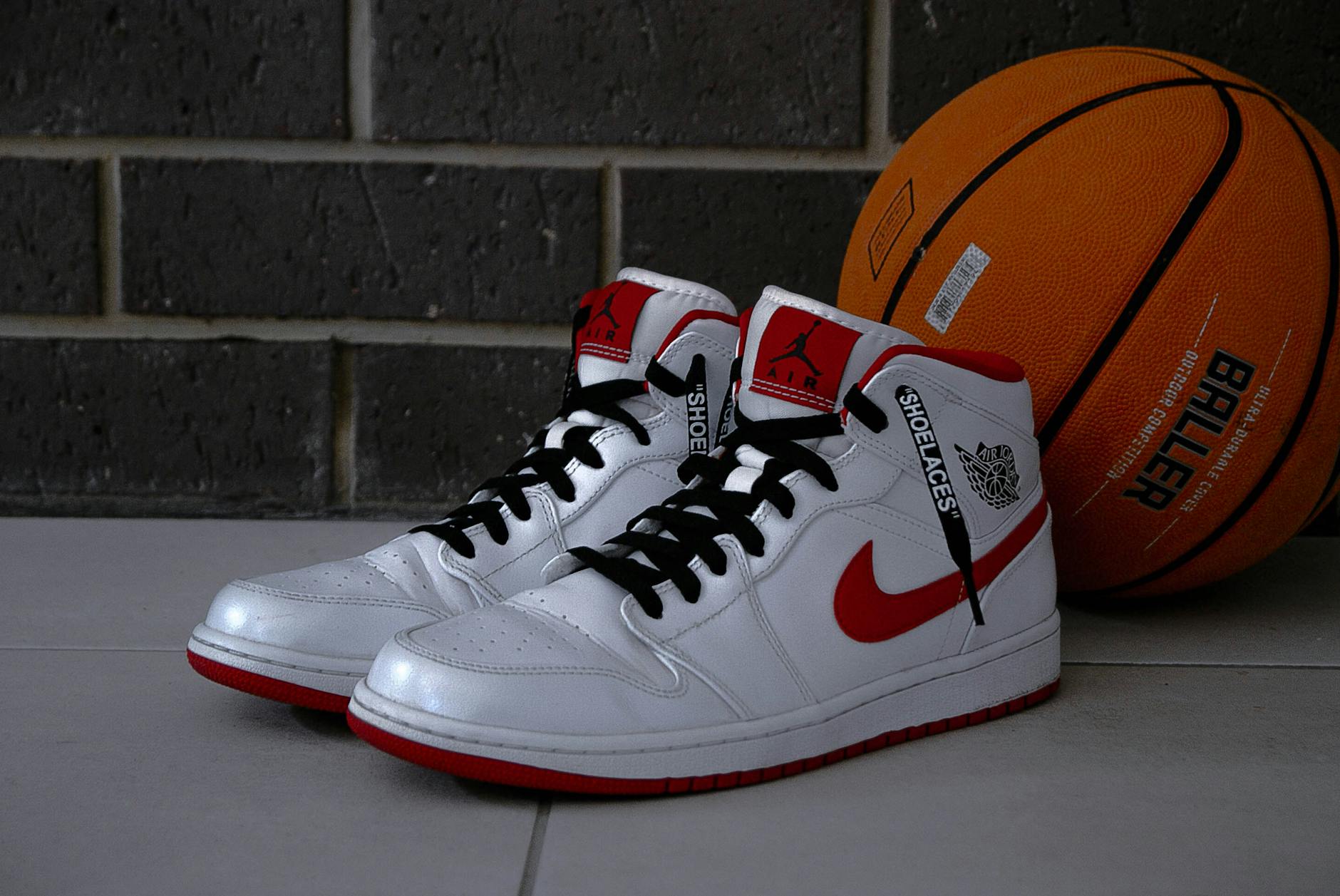
The speed with which corporate sponsors distanced themselves from Vick illustrated the risk calculus that major brands apply to athlete endorsements. Nike suspended Vick’s contract within days of his indictment in July 2007 and formally terminated the relationship a month later. Reebok pulled his replica jerseys from stores, and trading card manufacturer Upper Deck dropped him from their roster. Rawlings, AirTran Airways, and Coca-Cola similarly ended their associations, collectively representing millions in lost endorsement income. However, the corporate response also revealed an important limitation in how quickly brands can actually disentangle themselves from athlete partnerships. Nike, for instance, had already manufactured and distributed significant Vick-branded inventory that couldn’t simply disappear from the market.
Retailers holding this merchandise faced write-downs, and the secondary market for Vick memorabilia entered a period of extreme volatility. Some collectors saw opportunity in the chaos””purchasing items at steep discounts with the expectation that a potential comeback would restore value””while others rushed to liquidate. The Vick situation differed meaningfully from subsequent athlete scandals in one crucial respect: the nature of the offense created unusually durable brand damage. When Tiger Woods faced his 2009 scandal, sponsors like Gatorade and AT&T departed, but Nike famously stayed. The distinction appeared to be that crimes involving animal cruelty generated a particularly visceral public response that made corporate association untenable regardless of potential rehabilitation. Investors evaluating companies with significant athlete endorsement exposure should note that not all misconduct carries equivalent reputational risk.
Atlanta Falcons Economics: Measuring the Franchise Impact
The Atlanta Falcons organization faced a complex financial equation in the wake of Vick’s arrest. Owner Arthur Blank had committed substantial resources to building a team around his franchise quarterback, and the on-field consequences were immediate””the team went 4-12 in 2007 and 11-5 in 2008 but failed to reach the playoffs in either season during the immediate post-Vick period. Attendance and merchandise sales, while difficult to isolate from other variables, showed measurable softness. The Falcons pursued legal remedies to recover a portion of Vick’s signing bonus, eventually reaching a settlement through the NFL’s grievance process that required Vick to repay approximately $6.5 million. This represented a fraction of the total compensation Vick had received, but it established a precedent that teams could seek remedy for conduct-related contract breaches.
For investors in sports franchises””whether through direct ownership, publicly traded teams like Manchester United, or sports-focused investment funds””the Vick case highlighted the importance of understanding contract structures and clawback provisions. The franchise’s longer-term trajectory proved more resilient than initial projections suggested. The Falcons selected Matt Ryan with the third overall pick in the 2008 draft, and the team’s competitive revival helped stabilize the business operations. Forbes estimated the Falcons’ franchise value at approximately $872 million in 2007; by 2010, that figure had grown to $1.02 billion despite the Vick turbulence. This recovery illustrated how NFL franchise values tend to be insulated from individual player issues by league revenue sharing, television contracts, and the fundamental scarcity of ownership opportunities.

The Bankruptcy Proceedings: A Case Study in Athlete Financial Vulnerability
Vick filed for Chapter 11 bankruptcy protection in July 2008, listing debts between $10 million and $50 million and assets under $10 million. The filing revealed a lifestyle sustained by continuous income flows rather than accumulated wealth””a pattern distressingly common among professional athletes. His creditors included Bank of America, various jewelers, and a roster of business partners who had invested alongside him in real estate and other ventures that had soured. The bankruptcy process required Vick to liquidate assets including multiple vehicles, real estate holdings, and personal property. His 10,000-square-foot mansion in Virginia was eventually sold, and he agreed to a repayment plan that would extend years into any future earnings.
The court approved a budget that allowed Vick approximately $3,500 per month in living expenses during his incarceration””a stark contrast to his previous spending patterns. For context, compare this to Antoine Walker, who earned over $110 million during his NBA career and filed for bankruptcy in 2010 owing $12.7 million, or Terrell Owens, who reportedly lost the majority of his career earnings. The practical lesson for investors considering athlete-related ventures or assessing companies with significant athlete partnerships is that high current income correlates poorly with financial stability. Athletes face compressed earning windows, pressure to maintain expensive lifestyles, and a parade of advisors whose incentives may not align with long-term wealth preservation. Due diligence should examine not just contract values but the underlying financial infrastructure supporting the athlete.
NFL Policy Evolution and League-Wide Risk Management
The Vick case accelerated changes to the NFL’s personal conduct policy that had broader implications for how the league manages reputational and financial risk. Commissioner Roger Goodell, who had assumed the role in 2006, used the incident to establish a more aggressive posture on player discipline. Vick was suspended indefinitely in August 2007, and his reinstatement required demonstrating personal rehabilitation and completing specific conditions set by the league office. This enhanced oversight created both constraints and protections for franchise owners. On one hand, teams faced the possibility of losing key players to league-imposed suspensions for off-field conduct.
On the other hand, the league’s willingness to enforce standards helped protect the collective brand value of the NFL shield. For investors, this represented a form of centralized risk management that doesn’t exist in most business contexts””imagine if a trade association could suspend employees of member companies for personal misconduct. The policy changes also influenced how teams structured contracts going forward. Guaranteed money remained limited in the NFL compared to other major sports, and conduct-related clauses became more detailed. However, if a player’s misconduct occurs before signing, teams face a different calculation””as the Philadelphia Eagles demonstrated when they signed Vick in 2009, accepting the reputational risk in exchange for a discounted contract.

Vick’s Return: The Market Prices Redemption
Michael Vick’s signing with the Philadelphia Eagles in August 2009 demonstrated that the market ultimately assigns a price to redemption potential. The Eagles initially signed him to a modest deal””two years, $6.8 million, with limited guaranteed money. This structure reflected the uncertainty around his ability to perform after two years away from football and the residual reputational concerns that could affect team marketing and sponsor relationships. The bet paid off spectacularly when Vick emerged as the starting quarterback in 2010 and delivered an MVP-caliber season. His new contract following that performance””six years, $100 million, with $40 million guaranteed””represented one of the largest contracts in league history at the time.
Nike eventually re-signed him to an endorsement deal in 2011, completing a remarkable financial rehabilitation. For investors, the Vick trajectory illustrated an inefficiency in how markets price scandal-affected assets. The initial discount applied to Vick was arguably excessive given the evidence of his physical abilities and the NFL’s fundamental need for quarterback talent. Those who recognized this””including Eagles management and eventually Nike””captured substantial value. The lesson applies beyond sports: assets tainted by scandal may offer opportunity for investors with longer time horizons and accurate assessments of recovery probability.
Long-Term Implications for Sports Investment
The Vick case continues to inform how investors approach sports-related assets and businesses with significant athlete exposure. Private equity interest in sports franchises has grown substantially since 2009, with firms like Arctos Partners, Dyal HomeCourt, and others deploying billions into team ownership stakes. These investors incorporate player conduct risk into their models, recognizing that the concentrated nature of athletic talent creates vulnerabilities that don’t exist in more diversified businesses.
The broader sports memorabilia and collectibles market””now approaching $30 billion annually””also absorbed lessons from the Vick era. Prices for Vick-related items experienced wild swings that created both losses and opportunities. Contemporary collectors and investors in the space now factor legal and reputational risk more explicitly into valuations, particularly for active athletes whose careers remain subject to potential disruption.
Conclusion
Michael Vick’s early release from federal prison in May 2009 marked a pivotal moment in the intersection of professional sports, criminal justice, and financial markets. His case demonstrated how quickly individual misconduct can destroy corporate relationships, trigger franchise instability, and result in personal bankruptcy””while also revealing the market’s capacity to eventually price in rehabilitation. For the Falcons, Vick’s sponsors, and the broader NFL ecosystem, the financial reverberations extended years beyond his incarceration.
Investors considering exposure to sports-related assets should incorporate the Vick case into their risk frameworks. Key takeaways include the importance of understanding contract structures and clawback provisions, the variability in how different types of misconduct affect brand rehabilitation potential, and the tendency for crisis-driven discounts to sometimes overshoot fair value. The Vick story ultimately illustrates that in sports as in markets, few situations are permanent””and that understanding the dynamics of both downfall and recovery can create opportunity.