Dow Jones Index Up 150 Points Today with 3M and IBM Driving Market Gains
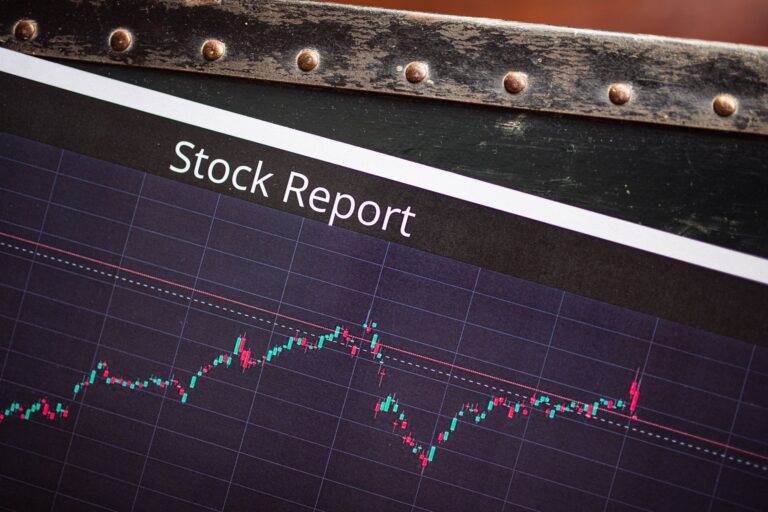
See which Dow move occurred, where the 150-point figure belongs, and what the 3M and IBM evidence actually proves.
See which Dow move occurred, where the 150-point figure belongs, and what the 3M and IBM evidence actually proves.

Pfizer options on July 15, 2024 traded 158,000 contracts with 2.87M open interest, reflecting elevated participation as global derivatives markets hit all-time highs.
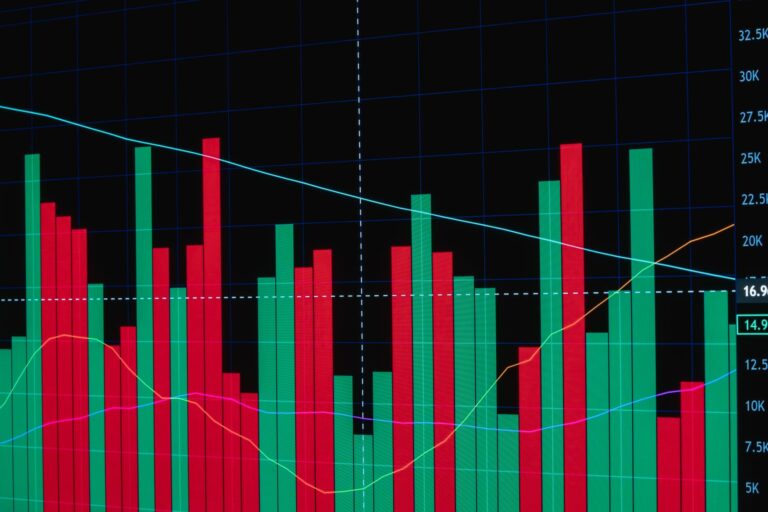
J.B. Hunt posted 45% earnings growth by combining double-digit volume gains with $135M in structural cost cuts, signaling strong pricing power in a capacity-constrained freight market.

Annaly's 13% dividend is sustainable near-term but depends entirely on stable interest rate spreads—any material earnings decline forces a cut.

Goldman's record Q2 earnings show robust dealmaking despite the bank raising recession odds to 30%, revealing a market actively investing while hedging major downside risks.

XNTK concentrates on pure technology companies while QQQ includes them alongside communication services and other Nasdaq sectors, so performance diverges when tech leads or lags the broader market.

Learn to test a 30-day options result against a fair benchmark while accounting for expiration risk and trading costs.
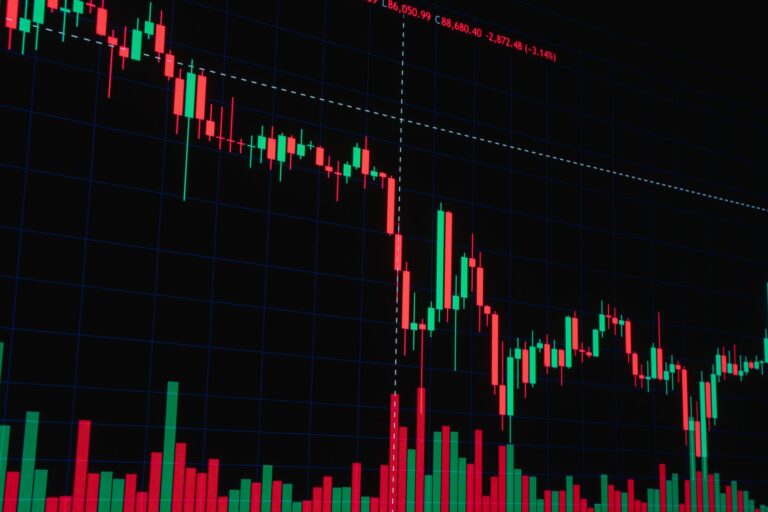
Investors get the correct ticker, full-year figures, EPS caveats, leverage data, and presentation sources.

Compare international dividend ETFs by income quality, taxes, currency risk, costs, and total-return potential.

Bitcoin retreated after long-term and recent buyers both sold near $65,000, revealing selling pressure despite inflation-driven relief.