Xanthine Oxidase: Common Questions, Misconceptions, and Key Facts

Xanthine oxidase produces uric acid through purine breakdown, and its dysregulation drives gout and hyperuricemia in millions of patients globally.
Xanthine oxidase produces uric acid through purine breakdown, and its dysregulation drives gout and hyperuricemia in millions of patients globally.
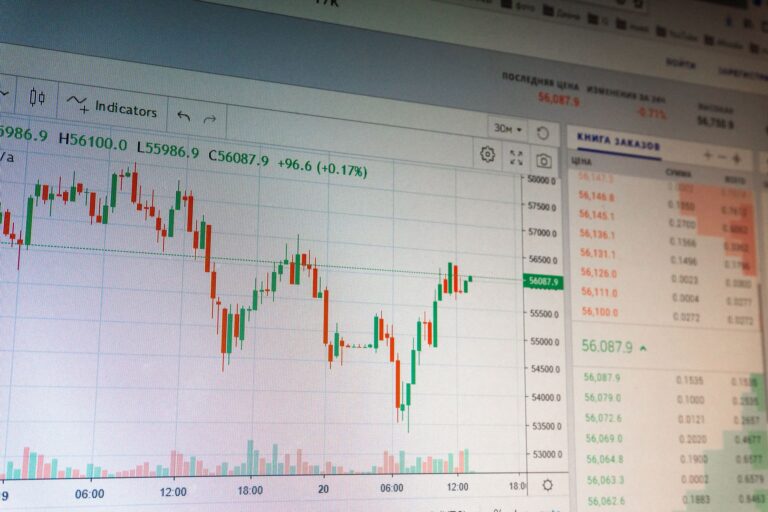
Xanthine oxidase catalyzes uric acid production in the body, driving a $5+ billion pharmaceutical market focused on preventing and treating gout-related joint damage.
A single enzyme controls uric acid production—and why some gout drugs work better than others.

How the enzyme that produces uric acid shapes gout risk, kidney damage, and emerging pharma investments.
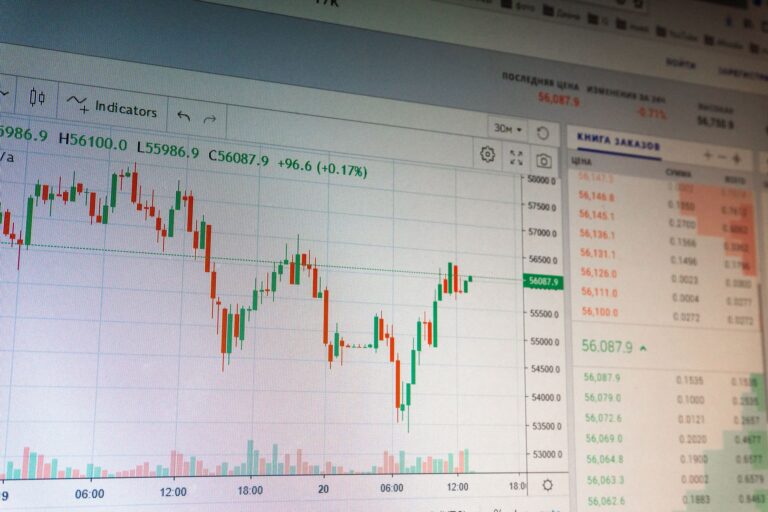
SK Hynix crashes 15.4% as investors question whether AI's hardware boom reflects rising costs instead of surging demand.

Purines in your body become uric acid through a process your kidneys must carefully manage or face disease.
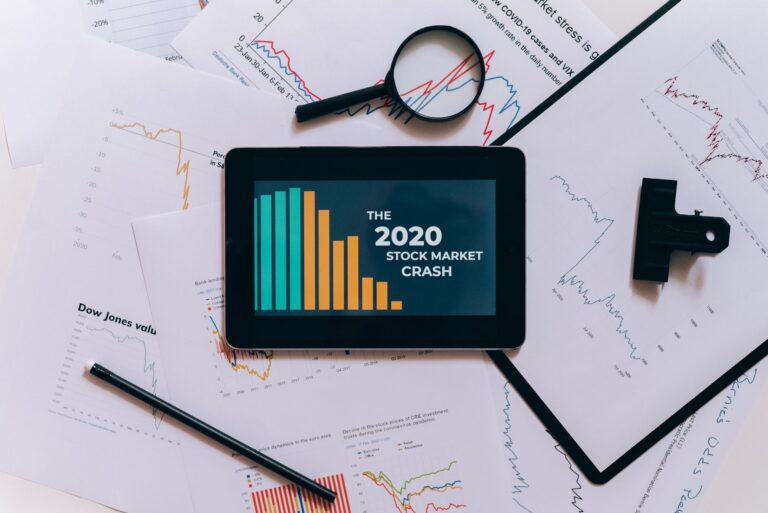
Purines are metabolized compounds, not dietary villains—their actual health impact depends entirely on your genetics and kidney function.

When purines metabolize, they convert to uric acid, which accumulates in joints and tissues—and when levels climb too high, uric acid crystallizes into...
Dietary purines cause only one-third of gout risk; the kidneys' failure to excrete is the real culprit.
Purines in foods convert to uric acid in your body, and excess levels trigger gout, kidney damage, and heart disease—here's what you need to know.