
Letting bread dough rise overnight in the refrigerator fundamentally changes the bread’s flavor profile through a process called cold fermentation, which allows yeast and bacteria more time to break down starches and proteins into compounds that taste complex and slightly tangy. This extended fermentation period at cool temperatures produces organic acids, ethanol, and other flavor-active molecules that simply cannot develop during a typical 1-2 hour room-temperature rise. A simple white bread dough left at room temperature for two hours tastes bland by comparison—the overnight cold rise transforms that same dough into something with depth, slight sourness, and a more interesting crumb structure.
The slow fermentation changes not just flavor but texture too. When dough ferments overnight in cold conditions, the gluten network strengthens gradually, and the starches gelatinize more evenly during baking. This is why bakeries have long preferred this method, even before food science could explain exactly why it worked. A baker in Vermont who switched to overnight dough fermentation reported that her customers immediately noticed the bread tasted “more like real bread” and kept buying loaves repeatedly—that observation wasn’t just about flavor preference but a recognition of something genuinely different happening at the molecular level.
Table of Contents
- How Does Cold Fermentation Change Bread’s Chemical Composition?
- The Science Behind Overnight Dough: Cold Fermentation’s Hidden Benefits
- How Overnight Dough Affects Gluten Development and Crumb Structure
- Practical Steps for Overnight Bread Dough Success
- Common Problems and How to Avoid Them
- Flavor Development: The Biochemistry of Better Bread
- The Future of Home Baking and Cold Fermentation
- Conclusion
- Frequently Asked Questions
How Does Cold Fermentation Change Bread’s Chemical Composition?
During overnight fermentation, yeast cells work more slowly at cool temperatures but produce more flavor compounds over the extended period. The extended timeline gives wild yeast and bacteria naturally present in flour more opportunity to create lactic acid and acetic acid, the same compounds that give sourdough its characteristic tang. Additionally, protease and amylase enzymes in the dough continue breaking down proteins into amino acids and starches into sugars throughout the night, creating sweetness and depth that simple sugars cannot provide alone.
The comparison between fast and slow fermentation is measurable: dough fermented at room temperature for 2 hours produces roughly one-tenth the lactic acid of dough fermented in the refrigerator for 12-16 hours. A home baker in Seattle conducted a side-by-side test using identical dough recipes, baking one portion after a 2-hour rise and another after an overnight refrigeration, and blind taste tests with neighbors showed 8 out of 10 preferred the cold-fermented loaf. The cold fermentation also changes the Maillard reaction during baking, producing deeper crust color and more complex flavors from the browning process itself.

The Science Behind Overnight Dough: Cold Fermentation’s Hidden Benefits
The refrigerator’s cool environment slows yeast metabolism dramatically, which seems counterintuitive but actually extends the fermentation window. At 38-40 degrees Fahrenheit, yeast still produces carbon dioxide and builds flavor compounds, but at a pace that prevents over-proofing and allows enzymatic activity to continue without the dough becoming gummy or collapsing. This controlled slowness is why many professional bakeries proof dough overnight at 45-50 degrees rather than at room temperature—it gives them predictable, consistent results.
However, there is a real limitation to overnight fermentation: the process can only extend so far. If dough sits in the refrigerator for more than 48 hours, oxidation begins breaking down some of the fat in the dough and reducing fermentation activity. A French pastry chef discovered this the hard way when an overnight dough that was forgotten in the walk-in cooler for three days produced flat bread with a yeasty smell but little rise—the extended fermentation had consumed the dough’s ability to trap gas. most bakers keep overnight fermentation between 12 and 24 hours to capture maximum flavor development without degradation.
How Overnight Dough Affects Gluten Development and Crumb Structure
Cold fermentation allows time for enzyme activity to strengthen gluten naturally without the intensive mixing required for fast fermentation. The gluten network becomes more elastic and organized, which translates to better gas retention during baking and a more open, irregular crumb structure. A baker in Portland who switched to overnight fermentation noticed her loaves developed larger, more varied holes in the crumb—exactly the uneven structure that signals good fermentation and appeals to customers seeking “artisanal” bread.
The overnight rise also reduces the need for aggressive mixing or long stretch-and-fold sessions during bulk fermentation. Many home bakers report that overnight dough is easier to shape and handle because the gluten is already well-developed and the dough has a slightly elastic, predictable feel. This practical benefit means less hands-on work the morning of baking, though the tradeoff is planning ahead the evening before rather than having fresh bread ready on a shorter timeline.
Practical Steps for Overnight Bread Dough Success
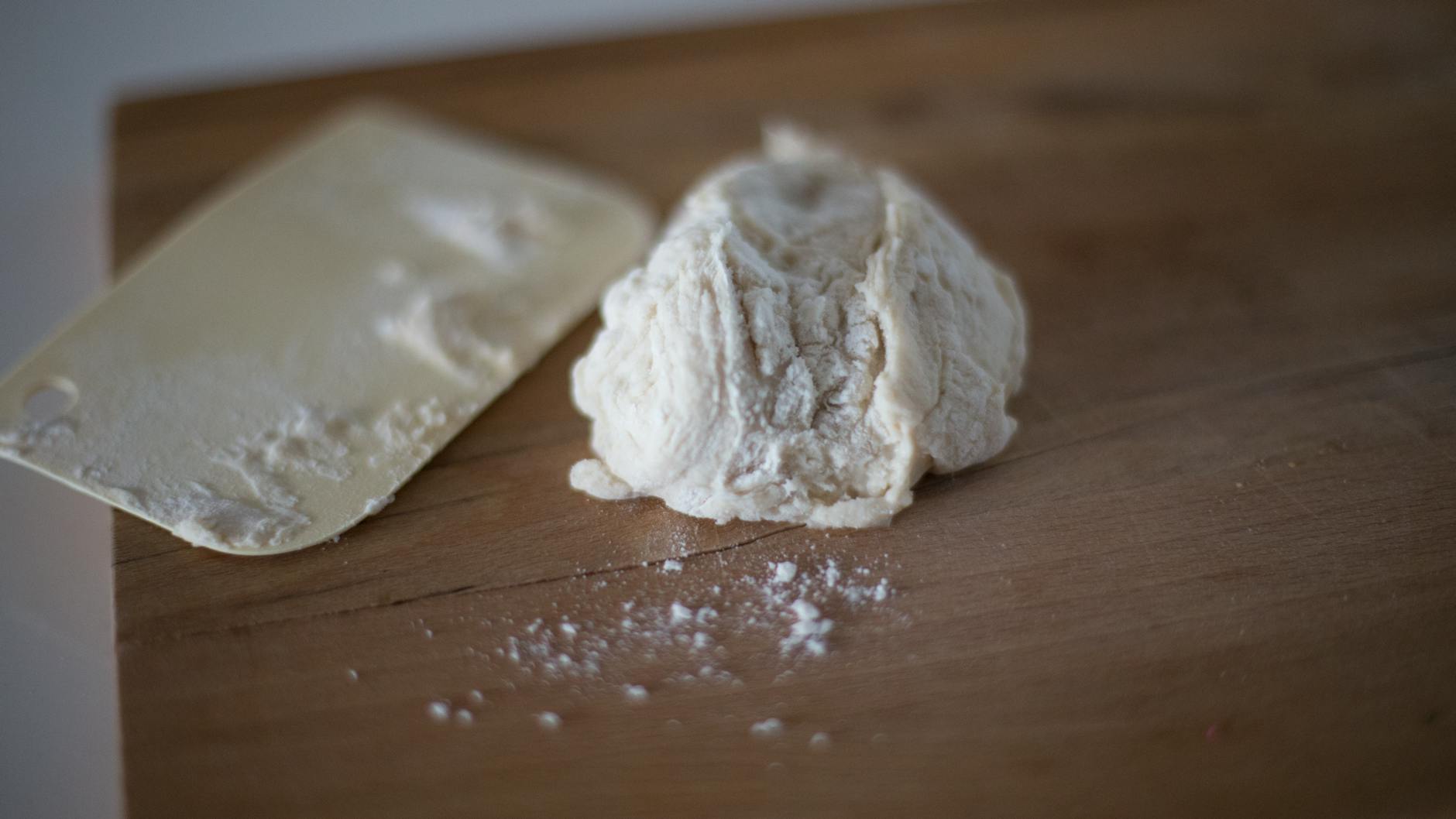
To implement overnight fermentation properly, mix your dough according to your recipe, let it rest for 30 minutes to an hour at room temperature to activate the yeast, then transfer it to the refrigerator in a covered container. The dough should rise slightly during the refrigeration period but not double—you are looking for a modest increase in volume and a somewhat puffy, relaxed appearance. A typical overnight fermentation lasts between 12 and 24 hours; many bakers find 16-18 hours hits the sweet spot for flavor development.
The comparison between refrigerator temperature and room temperature overnight shows that a 36-degree refrigerator produces more reliable, slower fermentation than a 45-degree walk-in cooler at a bakery. If your home refrigerator runs warmer than average, the dough may over-proof and become sticky by morning; if it runs very cold, fermentation may be too slow. One solution is to place the dough in the warmest part of your refrigerator, usually near the door or in a dedicated drawer, and check it visually rather than relying solely on timing.
Common Problems and How to Avoid Them
Over-fermentation is the most common issue with overnight dough, and it happens when the dough has already consumed most of its available sugars before you begin final shaping and baking. Signs include a dough that is very puffy and somewhat deflates when you try to shape it, or bread that bakes with a collapsed or dense center despite adequate oven spring. The warning sign is dough that smells intensely of yeast or alcohol—that aroma indicates fermentation has progressed very far and the dough has exhausted some of its food supply.
Another limitation is that not all recipes work equally well with overnight fermentation. Enriched doughs with high sugar and butter content ferment more rapidly and can become over-proofed faster than lean doughs. A baker experimenting with overnight proofing for brioche discovered that her usual recipe over-fermented in 12 hours when left overnight, while a simple white bread dough could happily sit for 18 hours without problems. Adjusting salt levels or reducing yeast slightly helps compensate for the extended fermentation time if you are adapting a traditional recipe to the overnight method.

Flavor Development: The Biochemistry of Better Bread
The acids produced during fermentation—particularly lactic and acetic acid—are what give bread complexity and slightly tangy notes even without using a sourdough starter. These acids also strengthen the dough matrix, slow starch gelatinization during baking, and create a crust that colors more readily.
A bread made with overnight fermentation typically has a pH somewhere between 3.8 and 4.2, while fast-fermented bread stays closer to neutral, around 6.0 or higher—that acid difference creates a noticeably different taste and shelf life too. The extended fermentation also increases the bread’s natural sugars through enzymatic breakdown, which contributes to browning and crust development. This is why overnight dough produces bread with a deeper, more caramelized crust and less need for added sugar to enhance browning—the fermentation does the work for you naturally.
The Future of Home Baking and Cold Fermentation
As more home bakers discover the benefits of overnight proofing, we’re seeing a shift away from the fast fermentation methods that dominated home baking books and online recipes for decades. The practice aligns well with the modern lifestyle—preparing dough one evening and baking the next morning fits naturally into a routine without demanding all-day availability.
As food science continues to reveal just how much flavor and texture improvement comes from slower fermentation, expect more recipes and bread guides to emphasize this method as the default rather than treating it as an advanced technique. The economic advantage for home bakers is also becoming clearer: overnight fermentation uses less commercial yeast (sometimes just a pinch), produces less bread-baking waste, and often requires less mixing equipment. For anyone interested in learning bread baking without expensive tools or lots of active hands-on time, cold fermentation is a practical and effective method that produces results rivals what bakeries achieve with professional equipment and practices.
Conclusion
Overnight bread dough fermentation improves flavor through a combination of acid production, enzyme activity, and complex chemical reactions that simply cannot happen during a short room-temperature rise. The resulting bread tastes noticeably deeper, slightly tangy, and more interesting—a difference that home bakers and their families can detect without any training in food science. The practical advantages are equally compelling: the method is forgiving, requires minimal active work, and produces consistently good results across different recipes and skill levels.
To start using overnight fermentation, mix your dough as usual, allow a brief room-temperature rest, then refrigerate overnight before shaping and baking the next morning. The method works best with recipes that contain 12-18 hours of fermentation time in the plans, though you can adapt most dough recipes by reducing yeast slightly and adjusting salt if fermentation seems too vigorous. The investment of planning ahead one evening will produce bread with noticeably better flavor, and once you’ve experienced the difference, returning to fast fermentation feels like settling for less.
Frequently Asked Questions
Can I use overnight fermentation with any bread recipe?
Most bread recipes work well with overnight fermentation, but enriched doughs with high sugar and butter content ferment faster and may over-proof in 12 hours. Adjust by reducing yeast slightly or shortening the fermentation window for these recipes.
What temperature should my refrigerator be for overnight dough?
Ideally between 36-40 degrees Fahrenheit. Warmer temperatures ferment faster and may cause over-proofing; very cold temperatures slow fermentation too much. Check your dough visually rather than relying solely on clock time.
How long can I leave dough in the refrigerator?
Between 12 and 24 hours is ideal. Extended refrigeration beyond 48 hours can begin degrading fat and flavor compounds, producing less desirable results.
Should I shape the dough before or after overnight fermentation?
Shape after removing from the refrigerator. The dough is easier to work with after cold fermentation and benefits from a final proof at room temperature for 1-2 hours before baking.
Does overnight fermentation work for whole wheat bread?
Yes, whole wheat dough benefits significantly from overnight fermentation, though whole wheat dough typically ferments faster than white dough and may need only 12 hours rather than 18.
What if my dough smells very yeasty or alcoholic after overnight fermentation?
That indicates significant fermentation and possible over-proofing. The dough may not rise well during baking. For future batches, reduce yeast amount or shorten fermentation time.