
The belief that searing meat seals in juices is one of cooking’s most persistent myths, but scientific evidence tells a different story. When you sear meat at high temperatures, you’re creating a flavorful brown crust through the Maillard reaction—a chemical process that develops complex flavors—but you’re not creating any kind of impermeable barrier that locks moisture inside. Research from food scientists at universities across the United States has consistently shown that meat loses roughly the same amount of juice whether it’s seared first or cooked slowly from the start. For example, a study comparing seared versus unseared beef cuts found that final moisture content was nearly identical between the two methods, despite the seared version looking and tasting noticeably better.
The real value of searing lies entirely in flavor development, not moisture retention. Understanding this distinction matters because it changes how you approach cooking. If your goal is genuinely to minimize moisture loss, searing isn’t the culprit—the total cooking time and temperature are. Many home cooks have unnecessarily avoided searing because they believed it would dry out their food, when in fact the opposite is true in most cooking scenarios. The Maillard reaction that creates the brown crust actually produces compounds that enhance perceived juiciness and depth.
Table of Contents
- What Does Searing Actually Do to Meat?
- The Science Behind Juice Loss During Cooking
- How the Maillard Reaction Changes Flavor Perception
- Practical Cooking Strategies That Actually Work
- Common Misconceptions and Why They Persist
- Modern Cooking Methods and Moisture Control
- The Future of Cooking Science and Food Preparation
- Conclusion
- Frequently Asked Questions
What Does Searing Actually Do to Meat?
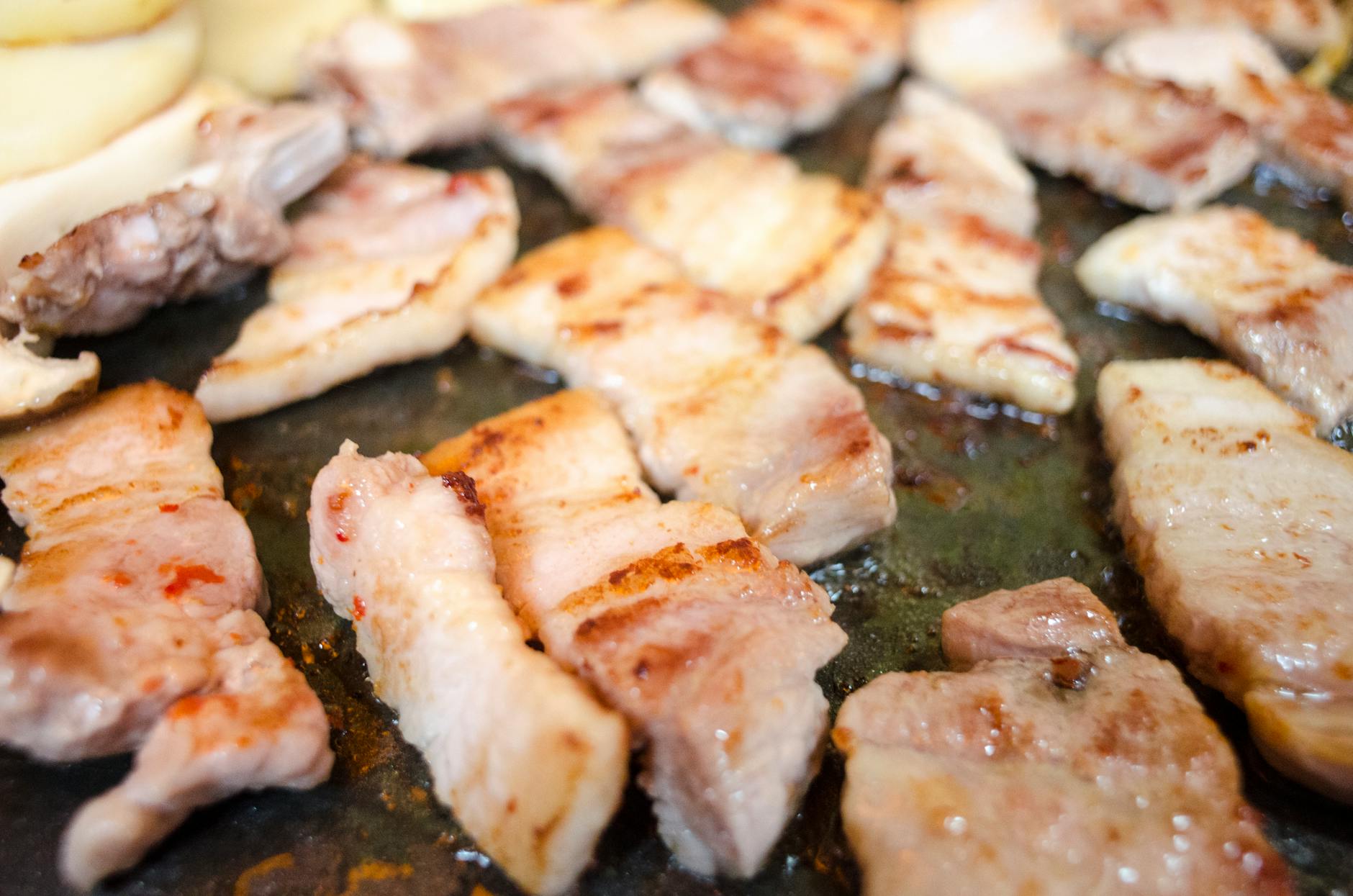
When meat hits a hot skillet or grill, the surface temperature rapidly rises above 300 degrees Fahrenheit, triggering the Maillard reaction between amino acids and sugars in the meat’s proteins. This creates hundreds of new flavor compounds and gives the meat that desirable golden-brown color. This is a purely chemical transformation happening at the surface layer—typically the outer eighth of an inch or so. The browning is real and valuable, but it has nothing to do with sealing or creating a moisture barrier. some people confuse this visual transformation with a physical seal, the same way a crust on bread might seem to seal in moisture, but that’s a misconception.
The confusion likely arose because chefs and cooks have long known that seared meat tastes better and seems juicier than unseared meat. When you taste meat with a crust, the flavors are more concentrated and complex, which your brain interprets as more moist and succulent. This is a genuine sensory difference, just not the result of a moisture-sealing mechanism. Temperature control during the searing process does matter—if your pan is too cool, you’ll steam the meat instead of searing it, and that will indeed cause more moisture loss. But that’s because of the cooking method itself, not because you failed to seal something.
The Science Behind Juice Loss During Cooking
Moisture loss in meat is primarily a function of three variables: temperature, time, and the meat’s initial moisture content. As internal temperature rises, the protein structures in muscle tissue denature and contract, squeezing out water molecules. This process happens gradually throughout the cooking time, regardless of whether the surface is seared or not. Extensive testing by food science programs shows that a roast cooked to 160 degrees Fahrenheit will have similar juice loss whether you seared it first for three minutes or skipped that step entirely. The searing itself—a brief high-heat exposure—doesn’t significantly accelerate this process.
The critical limitation to understand is that you cannot prevent moisture loss entirely; it’s an inevitable part of cooking meat. However, you can minimize it by controlling the internal cooking temperature and removing the meat from heat when it reaches your target doneness. A steak cooked to medium-rare (130-135 degrees Fahrenheit internally) will retain noticeably more juice than one cooked to well-done (160+ degrees), regardless of searing. The warning here is important: if you’re buying into the “seal the juices” narrative, you might be avoiding searing altogether, which means you’re sacrificing flavor for a moisture-retention benefit that doesn’t actually exist. Conversely, if you leave meat on the heat too long after searing (whether in the pan or oven), that’s what will dry it out—not the searing itself.
How the Maillard Reaction Changes Flavor Perception
When you sear meat, the Maillard reaction creates compounds like thiazoles, pyrazines, and furans—chemical components that our brains recognize as savory, meaty, and deeply flavorful. These compounds don’t appear at all in unseared meat cooked at lower temperatures. The interesting part is that these flavorful compounds actually make meat taste juicier and more satisfying, even if the actual moisture content is identical.
Blind taste tests have repeatedly demonstrated this: people prefer the taste of seared meat and rate it as juicier, even when the moisture content is scientifically equivalent to unseared samples. This distinction is worth understanding because it reveals that “juiciness” as we experience it isn’t purely a physical property—it’s partly a sensory and psychological one. The umami compounds created by searing enhance the eating experience in ways that go beyond simple moisture content. A specific example: a restaurant that sears a steak briefly before finishing it in the oven will produce a more flavorful result than one that simply roasts the steak at low temperature from start to finish, because that crust adds dimensions of flavor that can’t be replicated any other way.
Practical Cooking Strategies That Actually Work
If your real goal is to keep meat as moist as possible, focus on these evidence-based approaches rather than avoiding searing. First, use a meat thermometer and remove the meat from heat when it reaches your target internal temperature—this is the single most important factor. Second, let the meat rest for at least five to ten minutes after cooking before slicing; this allows the muscle fibers to reabsorb some of the moisture that’s pushed toward the surface during cooking. Third, consider cooking thicker cuts, which lose a smaller percentage of their total moisture compared to thin cuts.
Searing absolutely fits into this strategy—you can sear for better flavor and then transfer the meat to a lower-temperature oven to finish cooking gently. This approach gives you both the flavor benefits of the crust and the moisture retention of slower cooking. The trade-off is minimal: you spend an extra two to three minutes per piece of meat. Compare this to the alternative of avoiding searing entirely, where you lose significant flavor development with no actual moisture gain. For restaurant-quality results at home, this sear-then-oven method is nearly universal.
Common Misconceptions and Why They Persist
The “seal the juices” myth has survived for decades despite lacking scientific support, partly because old cooking books and television shows repeated it with such confidence that it became accepted wisdom. Another reason it persists is that seared meat genuinely does taste better and seem more succulent, which confirms the belief for most people. The mechanism might be wrong, but the outcome—that seared meat is preferable—is correct, so the myth doesn’t get corrected as often as it should.
A warning worth emphasizing: this myth has led some cooks to make inferior cooking decisions. Some people have reduced their cooking skills by avoiding searing because they’re protecting a benefit that doesn’t exist. Additionally, if you’re cooking at very low temperatures (sous vide, for example) and you sear the meat afterward, you might lose slightly more moisture during that brief high-heat searing than if you served it unseared—but you’ll gain so much in flavor and texture quality that the tradeoff is overwhelmingly worthwhile. Don’t let fear of the searing myth prevent you from using techniques that produce objectively better food.

Modern Cooking Methods and Moisture Control
Modern cooking techniques like sous vide and slow-cooking have further debunked the searing myth because they allow precise control over internal temperature while providing clear evidence that juice loss correlates to cooking temperature, not to surface treatment. A piece of meat cooked sous vide will lose minimal moisture because the water temperature inside the bag never exceeds your target temperature.
You can then sear that meat afterward to add flavor, and the small amount of additional moisture loss that occurs during searing is irrelevant compared to the flavor gain. This two-step approach (precise temperature cooking plus flavor-focused searing) represents the best current understanding of how to balance moisture retention with taste.
The Future of Cooking Science and Food Preparation
As home cooking becomes increasingly informed by food science, the “seal the juices” myth is being displaced by more nuanced understanding of how meat cooks. Future generations of cooks will likely find it quaint that so many people believed searing created a moisture-proof layer.
The good news is that this shift toward evidence-based cooking doesn’t complicate things—sear your meat because it tastes better, control your cooking temperature because that’s what actually determines moisture loss, and rest your meat because that’s proven to redistribute moisture. These simple principles, all supported by science, replace one unsupported myth with multiple reliable guidelines.
Conclusion
Searing doesn’t seal in juices, but it does create the flavorful, complex crust that distinguishes excellent meat dishes from merely adequate ones. The moisture loss that happens during cooking is determined by cooking temperature and time, not by whether the surface is seared.
Understanding this distinction liberates you to cook better food without worrying that you’re doing something counterproductive to moisture retention. The takeaway is straightforward: sear your meat whenever you want the flavor benefits of browning, control your cooking temperature to preserve moisture, let meat rest after cooking, and stop worrying about sealing. These practices, supported by food science rather than kitchen mythology, will produce consistently better results than trying to avoid searing based on a false premise.
Frequently Asked Questions
If searing doesn’t seal in juices, why does seared meat taste juicier?
The Maillard reaction creates flavor compounds that enhance taste and perceived succulence, even though the actual moisture content is similar to unseared meat. Flavor complexity makes food taste juicier to our brains.
Can searing actually cause more moisture loss?
Searing itself—a brief high-heat exposure—doesn’t significantly increase total moisture loss. However, if you overcook meat after searing, that’s what causes dryness, not the searing step.
What’s the best way to keep meat moist while still searing it?
Sear briefly at high heat, then finish cooking in a lower-temperature oven to your target internal temperature. Rest the meat for five to ten minutes before serving.
Does this apply to all types of meat?
Yes, the science holds for beef, pork, poultry, and lamb. The principle—that surface searing doesn’t seal moisture—applies universally.
Should I avoid searing thin cuts of meat?
No, you should sear thin cuts, but reduce cooking time to prevent overcooking. Thin cuts lose moisture more quickly by percentage, but searing isn’t the cause.