
Sphagnum moss serves as one of the most effective growth mediums for propagating aroids because it provides the optimal balance of moisture retention, aeration, and structural support that these tropical plants require. When aroids like Monsteras, Philodendrons, or Anthuriums are propagated in sphagnum moss, their aerial roots establish contact with a medium that mimics their natural rainforest habitat—where they naturally climb trees covered in moss and decaying organic matter. For example, a Monstera cutting placed in moist sphagnum moss will typically develop roots within two to three weeks, whereas the same cutting in standard potting soil might take twice as long and risks developing rot if overwatered.
Aroids are epiphytic by nature, meaning they grow on other plants in their native environment rather than in soil on the forest floor. This fundamental characteristic makes sphagnum moss ideal because it allows the cutting to develop roots that can access moisture without becoming waterlogged—a critical distinction that makes the difference between successful propagation and failed attempts. The moss’s ability to hold water while maintaining air pockets around developing roots is why experienced plant propagators consistently choose this medium over alternatives.
Table of Contents
- What Makes Sphagnum Moss Superior for Starting Aroid Roots?
- Preparing and Maintaining Sphagnum Moss for Optimal Results
- Using Sphagnum Moss in Propagation Methods for Aroids
- Practical Steps for Positioning and Supporting Aroid Cuttings in Sphagnum
- Common Problems and Advanced Troubleshooting in Sphagnum Propagation
- Long-Term Maintenance Until Transition to Soil
- The Future of Sphagnum Propagation and Sustainable Alternatives
- Conclusion
- Frequently Asked Questions
What Makes Sphagnum Moss Superior for Starting Aroid Roots?
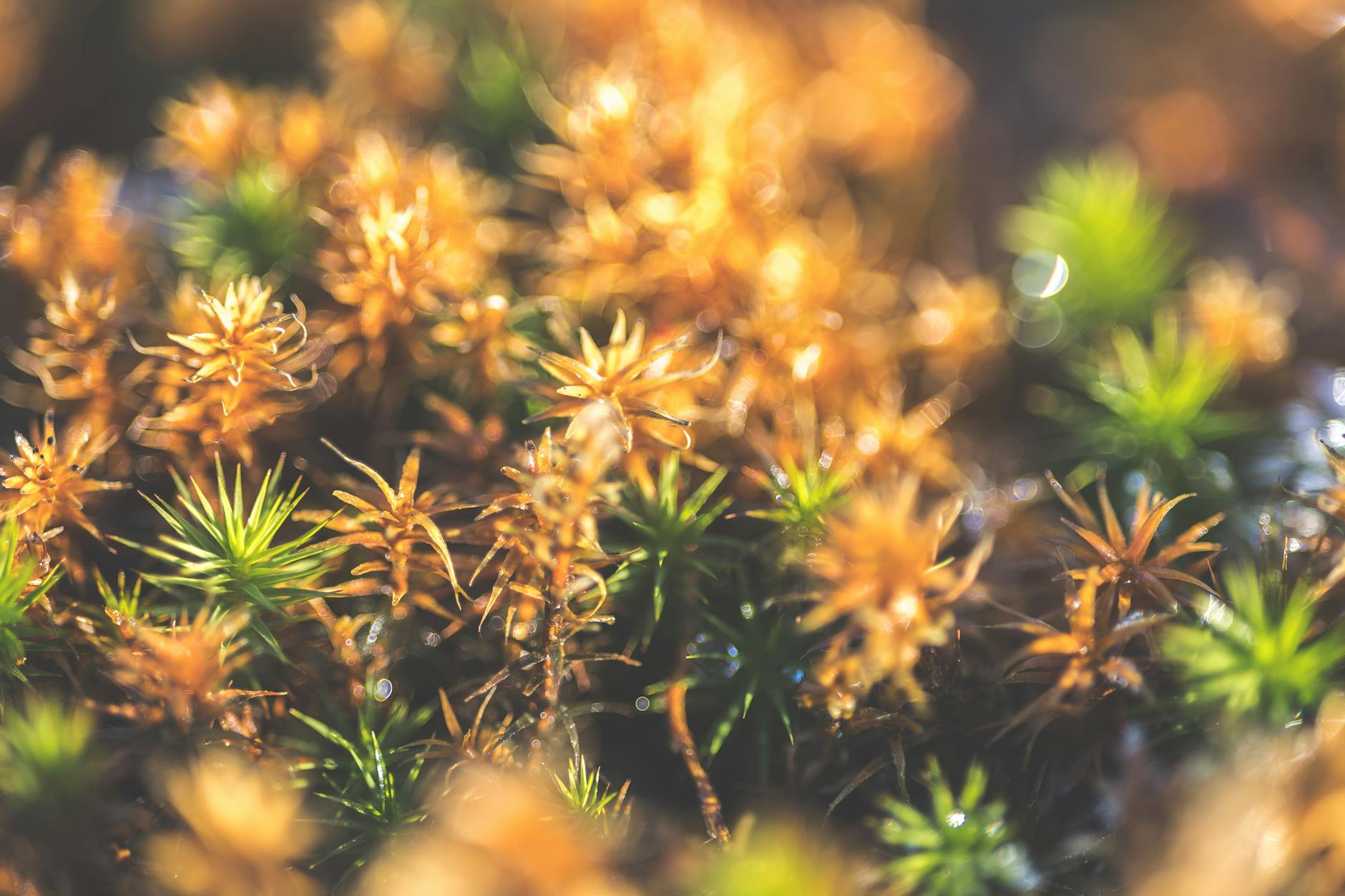
Sphagnum moss has a unique cellular structure that sets it apart from other propagation mediums. The moss consists of individual cells with specialized water-holding chambers that can retain moisture equivalent to 15 to 20 times their dry weight, while the loose, fibrous structure of the moss maintains sufficient air circulation. When you compare this to perlite, which drains too quickly and doesn’t retain enough moisture, or to standard peat moss, which can become compacted and suffocating to developing roots, sphagnum clearly offers a superior middle ground.
A Philodendron Pink Princess cutting propagating in sphagnum moss will develop a more robust root system than the same cutting in coco coir, which tends to be more acidic and less supportive of aroid root development. The living qualities of sphagnum moss also contribute to its effectiveness. Fresh or recently dried sphagnum contains beneficial microorganisms and enzymes that can help protect developing roots from pathogenic fungi, though this benefit diminishes as the moss ages in storage. For propagation, using sphagnum that has been stored for less than a year yields noticeably better results than moss that has been sitting in a warehouse for several years, so checking the package date at purchase matters more than most propagators realize.
Preparing and Maintaining Sphagnum Moss for Optimal Results
Before you place any aroid cutting into sphagnum moss, the moss must be properly hydrated and cleaned to remove dust and debris that could harbor pathogens. Soak the moss in distilled water or rain water for at least 30 minutes until it’s fully saturated and has expanded to its full volume. This preparation step is non-negotiable because dry sphagnum can actually repel water initially, and cutting on improperly hydrated moss may sit in an uncomfortably dry pocket for days. After soaking, gently squeeze out excess water so the moss is moist but not dripping—this consistency is crucial, as moss that’s too wet will suffocate roots and promote rot, while moss that’s too dry will fail to support root development.
One critical limitation that many propagators overlook is that sphagnum moss dries more slowly in low-humidity environments, creating conditions where fungal growth becomes a serious problem. If you’re propagating in a bedroom with standard humidity levels rather than a humid bathroom or enclosed propagation chamber, you may find that your moss develops visible mold or mildew despite being properly prepared. This is why humidity control is inseparable from sphagnum propagation success—you cannot simply use sphagnum moss and ignore the environmental conditions around it. Additionally, sphagnum moss’s ability to retain moisture means you’re watering less frequently than with other mediums, a tradeoff that benefits the roots but requires you to adjust your watering habits from what you might do with soil-based propagation.
Using Sphagnum Moss in Propagation Methods for Aroids
The most common propagation method using sphagnum moss is the moss pole or moss stick technique, where sphagnum is wrapped around a vertical support and secured in place. For a climbing aroid like a Monstera Deliciosa, you would wrap moist sphagnum moss around a moss pole that’s anchored in the propagation container, then position the aerial roots of the cutting against the moss. This method mimics how aroids naturally grow in their native habitat and encourages the aerial roots to develop rapidly as they make contact with the moss. Within three to four weeks, the roots will integrate so thoroughly with the moss that they become difficult to separate, indicating the propagation has been successful.
Water propagation versus sphagnum propagation presents an interesting comparison for aroid cuttings. While water propagation is simpler and allows you to monitor root development visually, aroids propagated in water often develop roots that are poorly suited to soil, with thin, water-adapted roots that struggle when transferred to potting medium. In contrast, roots developed in sphagnum moss are accustomed to firm but moist conditions and transition to soil much more successfully, making them superior for long-term plant health. This advantage is particularly noticeable with sensitive aroids like Anthuriums, where water-propagated cuttings frequently fail during the transition to soil while sphagnum-propagated cuttings establish themselves reliably.
Practical Steps for Positioning and Supporting Aroid Cuttings in Sphagnum
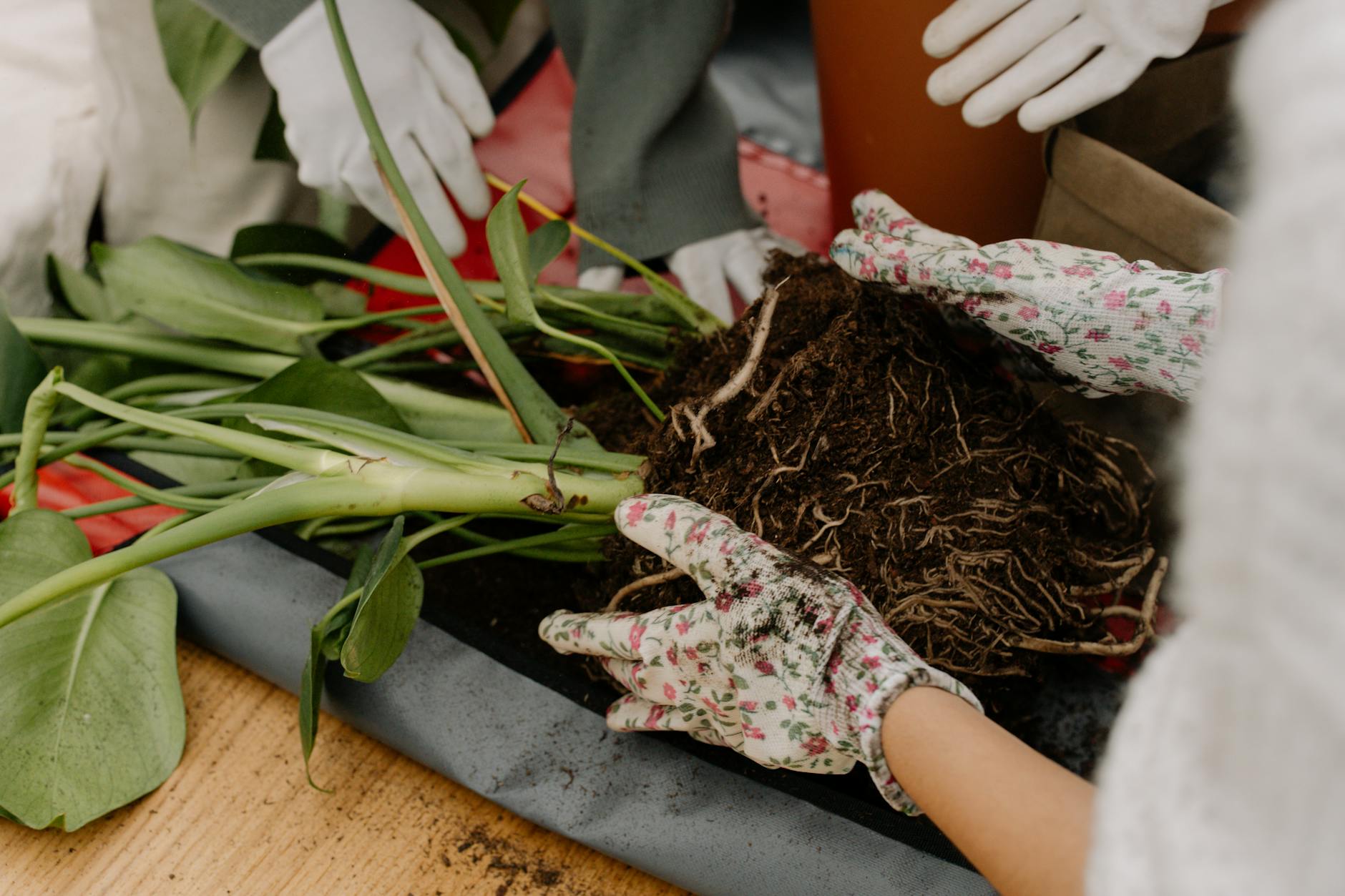
Begin by filling a shallow tray or propagation container with your prepared sphagnum moss to a depth of at least three inches—this provides enough volume for the developing root system and maintains consistent moisture. Position your aroid cutting so that the node (the area where leaves and future roots emerge) is in contact with the moss, while any existing leaves remain above the moss surface. For a Rhaphidophora Tetrasperma cutting, you would secure it gently but firmly so it doesn’t move around as roots develop, typically using moss clips or soft ties made from cotton twine.
Support systems differ depending on the cutting’s growth pattern. For vining aroids, a stake or pole inserted vertically into the moss provides structure as the cutting grows upward, and you can wrap the vine loosely around this support. For aroids with a more horizontal growth habit, such as certain Alocasias, you might keep the cutting more horizontal in the moss and provide only light support. The tradeoff here involves growth rate versus space efficiency—vertical support takes up less horizontal space but may require you to turn the cutting occasionally for even light exposure, while horizontal propagation takes up more surface area but often results in more balanced growth from the start.
Common Problems and Advanced Troubleshooting in Sphagnum Propagation
Mold and fungal issues represent the most frequent problem when propagating aroids in sphagnum moss, particularly in low-humidity conditions or when the moss remains saturated without adequate air circulation. If you notice white, gray, or black fuzzy growth on your moss, remove affected portions immediately and increase air circulation around the propagation container. A small USB fan positioned to create gentle airflow around your setup can prevent mold from becoming a recurring issue, though you must balance this against the drying effect that increased airflow creates on your sphagnum moss. This limitation is inherent to sphagnum propagation in non-humid environments—you’re essentially managing a constant tension between moisture retention and fungal prevention.
Root rot, though less common in properly maintained sphagnum, occurs when the moss becomes waterlogged and anaerobic conditions develop. This happens most frequently when propagators water their cuttings on a fixed schedule rather than checking the moss’s actual moisture level before watering. Unlike soil, which provides some buffer, sphagnum moss in a sealed or poorly ventilated container can shift from ideal to dangerous conditions within a few days. Always check that the top layer of moss still has some give when pressed gently—if it feels solid and waterlogged, allow it to dry slightly before watering again.

Long-Term Maintenance Until Transition to Soil
Once your aroid cutting has developed roots that are at least half an inch long and have begun to branch, you can begin thinking about the transition to soil. However, don’t rush this transition just because roots are visible—cuttings with more extensive root systems, where you can see multiple roots branching outward, establish themselves in soil far more reliably. For a Syngonium cutting, this typically takes four to six weeks in sphagnum moss, whereas the same cutting might take eight to ten weeks to reach the same root development in water.
During this maintenance period, keep the moss consistently moist but not waterlogged, and maintain humidity around 60 to 80 percent if possible. A humidity dome or clear plastic cover over your propagation tray will dramatically improve your success rates without requiring you to water more frequently. If you’re propagating multiple cuttings, group them together in the same container—this creates a microclimate where humidity stays higher naturally, and the cuttings won’t dry out as quickly as they would if spaced far apart.
The Future of Sphagnum Propagation and Sustainable Alternatives
Sphagnum moss sourcing has become an increasingly important consideration as wild sphagnum harvesting raises environmental concerns. Many propagators are beginning to explore alternatives like harvested and dried live sphagnum from commercial moss farms, which provide the same propagation benefits while supporting sustainable agriculture rather than wild moss depletion.
These farmed sources are becoming more readily available and often offer superior quality and consistency compared to wild-harvested moss, since the growing conditions are controlled. As propagation enthusiasts become more environmentally conscious, research into renewable substitutes like Coir fiber blends or specialty engineered propagation mediums continues, but sphagnum moss remains the gold standard for aroid propagation because no other readily available medium matches its combination of water retention, aeration, and biological activity. For serious aroid collectors, investigating moss sourcing—choosing products that clearly indicate sustainable or farm-sourced origins—allows you to continue using the most effective propagation method while supporting responsible practices.
Conclusion
Sphagnum moss remains the superior choice for propagating aroids because it provides the exact conditions these epiphytic plants need to develop robust root systems: consistent moisture, adequate aeration, and an environment that mimics their natural habitat. The process requires attention to humidity and moisture management, but once you establish a reliable setup and understand your local environmental conditions, sphagnum propagation becomes a highly predictable and successful method that yields better results than water propagation or traditional soil-based propagation.
To get started, invest in quality sphagnum moss from a reputable source, prepare it properly through soaking and gentle squeezing, and position your aroid cuttings with their nodes firmly in contact with the moss. Monitor humidity levels in your propagation area, watch for the development of roots, and be prepared to transition to soil once your cuttings have developed an established root system. With these fundamentals in place, sphagnum moss propagation will consistently deliver healthy, vigorous aroid plants ready for long-term growth in their permanent containers.
Frequently Asked Questions
Can I reuse sphagnum moss after a propagation attempt?
Yes, you can rinse and re-soak previously used sphagnum moss, but the benefits diminish with reuse. Microbial activity decreases and any fungal spores that were present may remain, so reused moss works but doesn’t perform as well as fresh moss. For critical propagations, fresh moss is worth the investment.
How often should I water my sphagnum moss propagation setup?
Check the moss daily by touching the top surface. Water only when the top layer begins to feel slightly drier than the rest, rather than following a fixed watering schedule. In humid conditions, this might be every three to five days; in dry conditions, every one to two days.
What humidity level is required for sphagnum propagation?
While sphagnum moss works best above 60 percent humidity, it can succeed at lower humidity levels if you maintain consistent moisture in the moss itself. However, fungal problems become more likely below 50 percent humidity, so humidity above 60 percent is strongly recommended.
Why are my aroid cuttings developing thin roots in sphagnum moss?
Thin root development usually indicates the cutting isn’t making firm contact with the moss or the moss isn’t moist enough. Ensure the node is pressed firmly into the moss and that you’re maintaining proper moisture levels without waterlogging.
Can I use sphagnum moss for propagating all aroid species?
Yes, sphagnum moss works for all aroids, though individual species may have slight preferences. Highly sensitive aroids like Anthuriums benefit most from sphagnum, while more forgiving species like Pothos can succeed in multiple mediums.