
Sheepshead Bay offers a limited but notable selection of sushi restaurants with genuine waterfront views, though diners should temper expectations about what “bay views from the dining room” actually means in this neighborhood. The area’s geography—a working fishing harbor with a promenade on Emmons Avenue—creates genuine dining opportunities overlooking the water, but most establishments cater to casual seafood seekers rather than high-end sushi enthusiasts. Restaurants like Tides Restaurant and various casual seafood spots along Emmons Avenue do provide tables with sight lines to the bay, though these are typically broad-water views rather than intimate, dedicated bay-view seating within a proper sushi venue.
The honest assessment: Sheepshead Bay has evolved as a seafood destination rather than a sushi hub, and restaurants claiming “sushi with bay views” often represent compromises between location and cuisine quality. The neighborhood attracts serious fishermen and casual diners seeking straightforward grilled seafood rather than visitors specifically hunting for omakase experiences or traditional sushi preparation. Anyone seeking the combination of high-quality sushi and waterfront dining in Brooklyn would likely find better options in neighborhoods like Williamsburg or Park Slope, where sushi-specific restaurants have invested more substantially in their craft.
Table of Contents
- What Makes a Sheepshead Bay Sushi Restaurant Distinct from Manhattan Counterparts?
- The Reality of Bay Views in Dining Rooms—What to Actually Expect
- Which Specific Establishments Actually Deliver Both Sushi and Views?
- Making the Trip Worth Your Time—Planning Logistics and Realistic Expectations
- Common Disappointments and What They Reveal About the Dining Scene
- Alternatives Worth Considering in the Wider Brooklyn Landscape
- The Neighborhood’s Evolution and Future Dining Landscape
- Conclusion
What Makes a Sheepshead Bay Sushi Restaurant Distinct from Manhattan Counterparts?
Sheepshead bay‘s sushi offerings reflect the neighborhood’s broader identity as a working waterfront rather than a dining destination. Prices tend to be significantly lower than Manhattan sushi venues—expect to pay $25-45 for sushi lunch sets compared to $60-100+ in Midtown—though the experience also differs considerably in atmosphere and chef expertise. The trade-off is real: lower costs come with less elaborate presentations, smaller wine programs, and less sophisticated preparations.
Many establishments source locally, which theoretically should create an advantage for fresh fish, but the actual quality of raw preparation often lags behind dedicated sushi specialists. The neighborhood’s accessibility via the Q train from Manhattan means some diners visit specifically seeking “authentic, affordable” sushi, but authenticity here is often overstated. Most Sheepshead Bay sushi restaurants employ standard ingredient chains rather than relationships with specific fish suppliers, and few offer the knife skills or ingredient curation that distinguishes elite sushi experiences. A meal at a local spot may be pleasant and reasonably fresh, but it represents casual dining convenience rather than culinary excellence.
The Reality of Bay Views in Dining Rooms—What to Actually Expect
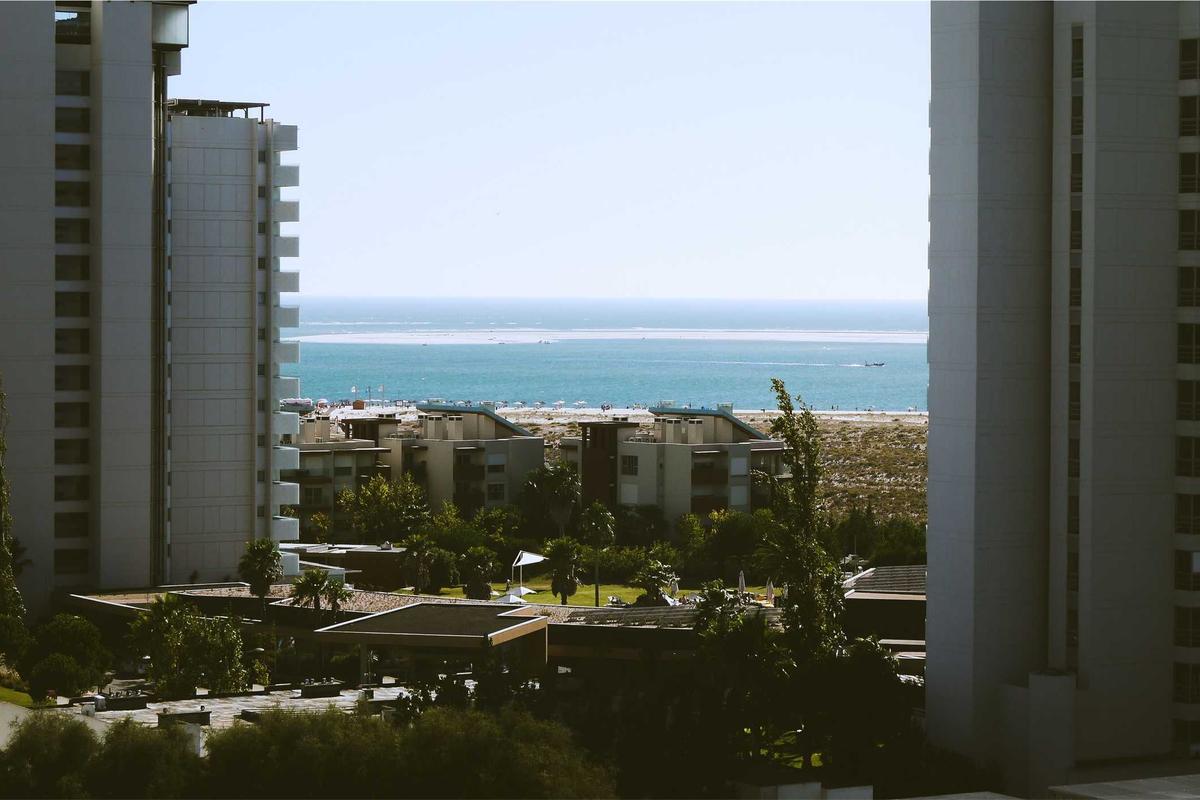
Bay views from Sheepshead Bay restaurants vary dramatically depending on the specific establishment and your table assignment. Some restaurants claim “waterfront” status while having parking lots or street-level obstructions blocking actual water visibility; you may be charged premium pricing for views you cannot access from most tables. Upper-level seating or end-wall positions typically offer the best sight lines, but many diners find themselves looking at the promenade or fishing boats rather than open water, particularly during daylight hours when the bay’s aesthetic appeal is minimal compared to sunset dining.
A significant limitation: Sheepshead Bay’s working harbor nature means the view includes active fishing piers, commercial boats, and industrial elements rather than pristine waterfront scenery. The aesthetic is charming to some visitors specifically because of its authenticity, but it lacks the manicured elegance of bay views in other neighborhoods. Additionally, weather becomes critical—fog, overcast skies, and winter conditions render the view irrelevant for much of the year, and many restaurants don’t maintain heated outdoor seating, making pleasant dining possible only seasonally.
Which Specific Establishments Actually Deliver Both Sushi and Views?
emmons avenue serves as the neighborhood’s dining corridor, with several establishments offering sushi components alongside broader seafood menus. Tides Restaurant, a long-standing establishment at the avenue’s waterfront edge, offers window seating with genuine bay visibility and includes sushi options within its menu, though it positions itself primarily as a seafood restaurant rather than a sushi specialist. The venue seats groups well and maintains consistent food standards, though sushi quality ranks below dedicated Japanese restaurants in other neighborhoods.
Beyond individual venues, the reality is that true “sushi restaurants” with dedicated bay views remain scarce in Sheepshead Bay. Most venues fall into one of two categories: seafood restaurants that include sushi rolls on the menu (better views, less consistent sushi), or sushi restaurants tucked into side streets away from waterfront positioning (better sushi, no views). This distinction matters significantly because casual sushi rolls suffer less from diminished quality compared to nigiri or sashimi, but serious sushi diners often find the crossover venues disappointing in both dimensions.
Making the Trip Worth Your Time—Planning Logistics and Realistic Expectations
Visiting Sheepshead Bay for sushi-and-views dining requires treating it as a neighborhood experience rather than a specific culinary pilgrimage. Plan for a longer evening that includes the neighborhood’s secondary attractions—the New York Aquarium is nearby, as is the Coney Island boardwalk about 15 minutes away by foot—rather than viewing the restaurant as a standalone destination. The Q train offers direct access from Manhattan in roughly 40-50 minutes, making it feasible for a Brooklyn outing but impractical as a quick dinner destination.
Timing significantly impacts the experience. Sunset viewing (around 8:30pm in summer, 4:50pm in winter) creates the most appealing bay vistas, but restaurant availability and dining duration don’t always align with these windows. Early dinner reservations at 5pm offer better table selection and potential special pricing but sacrifice the aesthetic appeal of the view. Weekday visits provide quieter dining experiences compared to weekend crowds, particularly important if you’re seeking the tranquility that bay views theoretically provide but that gets compromised by busy casual dining atmospheres.
Common Disappointments and What They Reveal About the Dining Scene
Many diners discover upon arrival that their “waterfront view” seats face the restaurant’s interior rather than the bay, or that other diners’ bodies block the sightline entirely. Some establishments use menu pricing that doesn’t reflect sushi quality—charging $4-5 per piece for nigiri that tastes competent but undistinguished, while nearby Manhattan venues offer superior quality at comparable rates. The absence of sushi chefs willing to work counter-style in most Sheepshead Bay venues means the interactive dining experience common to traditional sushi bars simply doesn’t exist here.
Another limitation worth acknowledging: Sheepshead Bay lacks the infrastructure of a mature sushi destination. You won’t find sake programs sophisticated enough to pair with meals, ingredients like uni or otoro sourced specifically for quality, or the knife skills that demonstrate generations of Japanese culinary training. These aren’t failures of individual restaurants but structural limitations of a neighborhood focused on casual seafood rather than sushi excellence. For diners seeking serious sushi craftsmanship, this neighborhood represents a poor use of time relative to alternatives.

Alternatives Worth Considering in the Wider Brooklyn Landscape
Williamsburg and Park Slope, both accessible via Brooklyn transit, offer substantially more sophisticated sushi experiences with dining room ambiance, though without waterfront positioning. These neighborhoods feature restaurants where chefs trained in Japan work with imported ingredients and develop ingredient relationships that produce noticeably superior preparations.
The trade-off is predictable: expect to pay $60-80+ per person rather than $30-45, and accept that views will be of brownstone facades or street activity rather than water. Red Hook’s waterfront locations provide genuine bay views without the industrial harbor feeling, and several spots there offer sushi components within broader seafood programs. The neighborhood’s gentrification has attracted more culinary investment than Sheepshead Bay, though still fewer dedicated high-end sushi venues than Manhattan or Williamsburg.
The Neighborhood’s Evolution and Future Dining Landscape
Sheepshead Bay remains a neighborhood in transition, caught between its identity as a working waterfront and pressure from residential development. Future sushi restaurant additions will likely follow the neighborhood’s broader trajectory toward casual dining rather than upscale culinary experiences.
Real estate economics suggest that waterfront rents will continue rising, making space for dedicated, low-margin sushi operations increasingly difficult to maintain unless restaurants pursue higher price positioning. The neighborhood’s lack of transformation into a dining destination suggests something worth respecting: Sheepshead Bay has resisted the gentrification and theme-ification that erases character from other Brooklyn waterfront neighborhoods. That resistance means visitors seeking “authentic New York” often prefer this neighborhood’s lack of polish, but it also explains why sushi-and-views dining here remains a compromise rather than a destination-worthy experience.
Conclusion
Sheepshead Bay’s sushi restaurants with bay views exist but represent compromises across multiple dimensions—compromised sushi quality compared to dedicated specialists, compromised view aesthetics compared to manicured waterfront areas, and compromised convenience compared to more centrally located alternatives. These venues work best for diners already in Brooklyn seeking a casual evening that combines reasonable sushi rolls with a working waterfront atmosphere, not for those specifically traveling to combine high-caliber sushi with refined bay views.
For serious sushi diners, the honest recommendation is acknowledging that Sheepshead Bay offers neither the craft quality of established sushi specialists nor the waterfront elegance of more developed waterfront neighborhoods. Instead, the area’s actual strength lies in its authenticity as a working fishing community and casual seafood destination—visiting for that experience rather than manufacturing one around “sushi and views” produces a more satisfying outcome.