
Brighton Beach, nestled in Brooklyn’s southwestern corner along the Atlantic coast, stands as the epicenter of Russian and Eastern European cuisine in New York City. The best Russian food in this neighborhood isn’t found in a single restaurant but rather across a thriving dining ecosystem that has persisted since Russian and Soviet immigrants began settling here in the 1970s. Restaurants like Tatiana, which has occupied the same boardwalk location for decades, exemplify the category—they serve authentic Soviet-era preparations like borscht, pelmeni, and whole roasted fish that reflect the original immigrant culinary traditions rather than Americanized adaptations. The neighborhood’s Russian food scene occupies a unique position in New York’s culinary landscape. Unlike Manhattan’s sleeker ethnic restaurants that often modernize traditional cuisines, Brighton Beach establishments maintain straightforward, no-frills approaches to cooking that prioritize authenticity over presentation.
You’ll find Russian vodka selections, hearty portions, and bread baskets on nearly every table. The restaurants here cater primarily to longtime Russian-speaking residents, which means the menus often feature items that would be difficult to find elsewhere in the city and pricing remains reasonable by New York standards. What separates Brighton Beach from other ethnic neighborhoods is the concentration of genuine expertise. These aren’t restaurants run by people who learned Russian cooking from cookbooks—they’re run by families who grew up eating these dishes and adapted Soviet-era recipes to American ingredient availability. The culinary continuity spanning from the Cold War era to today represents both a strength and a challenge for the neighborhood’s restaurants.
Table of Contents
- Where Can You Find Authentic Russian Restaurants in Brighton Beach?
- What Are the Signature Dishes That Define Russian Food?
- How Has Brighton Beach’s Russian Restaurant Culture Evolved?
- What Should You Know Before Visiting Brighton Beach Restaurants?
- What Are Common Challenges When Exploring Russian Food?
- What Makes Brighton Beach’s Boardwalk Location Significant?
- What Does the Future Hold for Brighton Beach Russian Restaurants?
- Conclusion
- Frequently Asked Questions
Where Can You Find Authentic Russian Restaurants in Brighton Beach?
The restaurant landscape in Brighton Beach clusters primarily along Brighton Beach Avenue and the nearby boardwalk area, roughly between Ocean Parkway and sheepshead Bay Road. Tatiana remains the flagship establishment, instantly recognizable by its bright signage and the constant flow of diners year-round. The restaurant operates with a boisterous, no-pretense atmosphere where tables are tightly packed and servers move efficiently through the crowd. Aside from Tatiana, restaurants like Odessa and National also maintain strong reputations and have been operating in the neighborhood for 30+ years. The concentration works differently than in Manhattan.
Rather than a few prestigious restaurants commanding the neighborhood’s reputation, Brighton Beach’s Russian food scene operates on distributed authenticity—dozens of smaller establishments, many without significant online presence or English websites, serve excellent food to regular customers who know exactly what they want. This creates an accessibility advantage; you can find exceptional Russian food at nearly any price point by simply walking down Brighton Beach Avenue. However, it also means navigating the neighborhood requires some local knowledge or willingness to experiment, as many restaurants don’t maintain prominent signage aimed at tourists. A practical limitation: the English-language menus in many establishments may be incomplete or inconsistent with daily specials. Restaurant owners assume regulars will order from memory and that new customers should ask for recommendations. This can feel unwelcoming to English-only speakers, though staff at most established restaurants will accommodate requests and explain menu items if asked.

What Are the Signature Dishes That Define Russian Food?
Russian cuisine in Brighton Beach centers on preparations that reflect Soviet-era cooking constraints—using affordable proteins, preserved vegetables, and techniques that maximize flavor from basic ingredients. Borscht appears on virtually every menu, but quality varies significantly. The best versions use fresh beets, incorporate beef or bone broth, and achieve the proper balance between earthiness and subtle sweetness. Lesser versions rely on canned beets and taste thin and acidic by comparison. When eating Russian food in Brighton Beach, borscht quality serves as a reliable indicator of the restaurant’s overall attention to traditional methods. Pelmeni—small dumplings filled with ground meat and served in broth or with sour cream—represent another foundational dish. These require hand-rolling and precise cooking to avoid the dough becoming tough or the filling drying out.
Many restaurants prepare pelmeni daily in-house, while others use frozen versions, and the difference is immediately apparent in texture and flavor. Whole roasted fish, prepared simply with herbs and lemon, appears at higher-end establishments and reflects Soviet tradition of cooking whatever proteins were available with minimal elaboration. A significant caveat: much of Russian food relies on generous use of mayonnaise, sour cream, and fat—preparing authentic dishes means accepting that these are not light options. Salads often contain substantial portions of mayonnaise as binding agent rather than modest dressing. Meat dishes frequently feature fatty cuts. This represents neither a deficiency nor something to critique, but rather reflects the reality that these dishes were developed during times when caloric density mattered more than fat ratios. Modern diners expecting lighter preparations may find traditional Russian food at odds with their expectations.
How Has Brighton Beach’s Russian Restaurant Culture Evolved?
The neighborhood’s Russian community arrived in waves beginning in 1970, with the largest influx occurring during the 1980s as Soviet emigration policies loosened. The restaurants that established themselves during this initial period still dominate the landscape today. Tatiana opened in 1986 and immediately became a landmark. What’s notable is how little the core restaurant landscape has changed—unlike neighborhoods where immigrant communities are gradually replaced, Brighton Beach remains demographically stable, with multiple generations of Russian-speaking families and new Russian immigrants continuing to arrive. The second-generation restaurants and newer establishments show subtle differences from the originals. Newer places tend to incorporate modest modernizations—slightly more attentive service, English-language menus that are more comprehensive, and sometimes minor menu adjustments toward slightly lighter preparations. However, these changes remain modest.
The driving force isn’t outside pressure to modernize but rather the arrival of younger Russian immigrants who bring different regional traditions from Russia and the former Soviet republics. You’ll find Caucasian-influenced dishes, Georgian preparations, and Ukrainian variations mixed alongside purely Russian standards. The challenge facing Brighton Beach’s restaurants involves demographic shift in the broader New York area. The children of 1980s-era Russian immigrants have dispersed to other neighborhoods and suburbs, reducing the built-in customer base. Most restaurants continue operating on the foundation of longtime regulars rather than developing tourist appeal. This creates a precarious situation—if the community ages without younger Russian-speaking residents replacing them, some longstanding restaurants may eventually close or transform. Currently, the neighborhood maintains sufficient population stability to sustain the existing restaurant base, but this represents an ongoing tension rather than a solved problem.
What Should You Know Before Visiting Brighton Beach Restaurants?
Practical considerations shape the Brighton Beach dining experience differently than Manhattan establishments. Most restaurants expect cash or credit cards but may charge differently—some discount cash payments while others add surcharges for cards. Reservation policies vary widely; some restaurants like Tatiana operate on a walk-in basis, while others may require reservations during weekends. The atmosphere is deliberately unpretentious, which means expect background noise, crowded conditions, and efficient rather than leisurely service. This suits diners seeking authentic food and community atmosphere but frustrates those expecting fine-dining pacing. Ordering strategy matters in restaurants with limited English menus.
Asking the server for recommendations usually produces better results than trying to navigate an unclear menu independently. Most restaurants offer house specials that don’t appear prominently on the menu but represent the kitchen’s best work. Additionally, many establishments serve family-style portions—a single entrée can easily serve two people, which provides both value and the advantage of sampling multiple dishes. The comparison to other ethnic neighborhoods reveals important tradeoffs. Unlike some Chinatown or Little Italy restaurants that have adapted explicitly for outside audiences, Brighton Beach restaurants retain authenticity partly by not catering to non-regulars. This means you encounter menu items that genuinely confuse some Western diners—organ meats, heavily pickled vegetables, and preparations that prioritize texture and tradition over presentation. This dedication to authenticity represents the neighborhood’s greatest strength but also its most significant barrier for casual visitors.
What Are Common Challenges When Exploring Russian Food?
Language barriers constitute the most direct obstacle in many Brighton Beach establishments. Staff in popular restaurants may speak English adequately to take orders, but detailed menu explanations or discussions about unfamiliar dishes can become difficult. This isn’t hostile—Russian restaurant culture simply doesn’t assume diners need extensive explanation. You’re expected either to know what you want or to ask directly. For English-only speakers without Russian-speaking friends, navigating this requires patience and willingness to experiment, which doesn’t suit every diner’s preferences. The selection of imported ingredients creates inconsistent availability.
Many Russian restaurants rely on specific imported products—particular brands of mineral water, specific types of fish from Russia, certain preserved vegetables—that arrive sporadically based on import availability and logistics. A dish that was excellent six months ago might taste different on your next visit because the restaurant couldn’t source the exact same ingredient, forcing substitutions. This reflects authentic practice (Soviet cooks constantly adapted to ingredient availability) but can be disappointing for customers expecting consistency. A critical warning: the sanitation standards and health inspection results for some Brighton Beach establishments don’t match New York’s usual restaurant standards. While many restaurants maintain excellent practices, the neighborhood contains some establishments operating under conditions that would concern modern health-conscious diners. Checking health department records and reading recent reviews provides useful information before visiting an unfamiliar restaurant. This isn’t unique to Brighton Beach—it reflects the general pattern that cheap, authentic food sometimes comes with lower regulatory standards—but it requires explicit attention rather than assuming all established restaurants meet contemporary expectations.

What Makes Brighton Beach’s Boardwalk Location Significant?
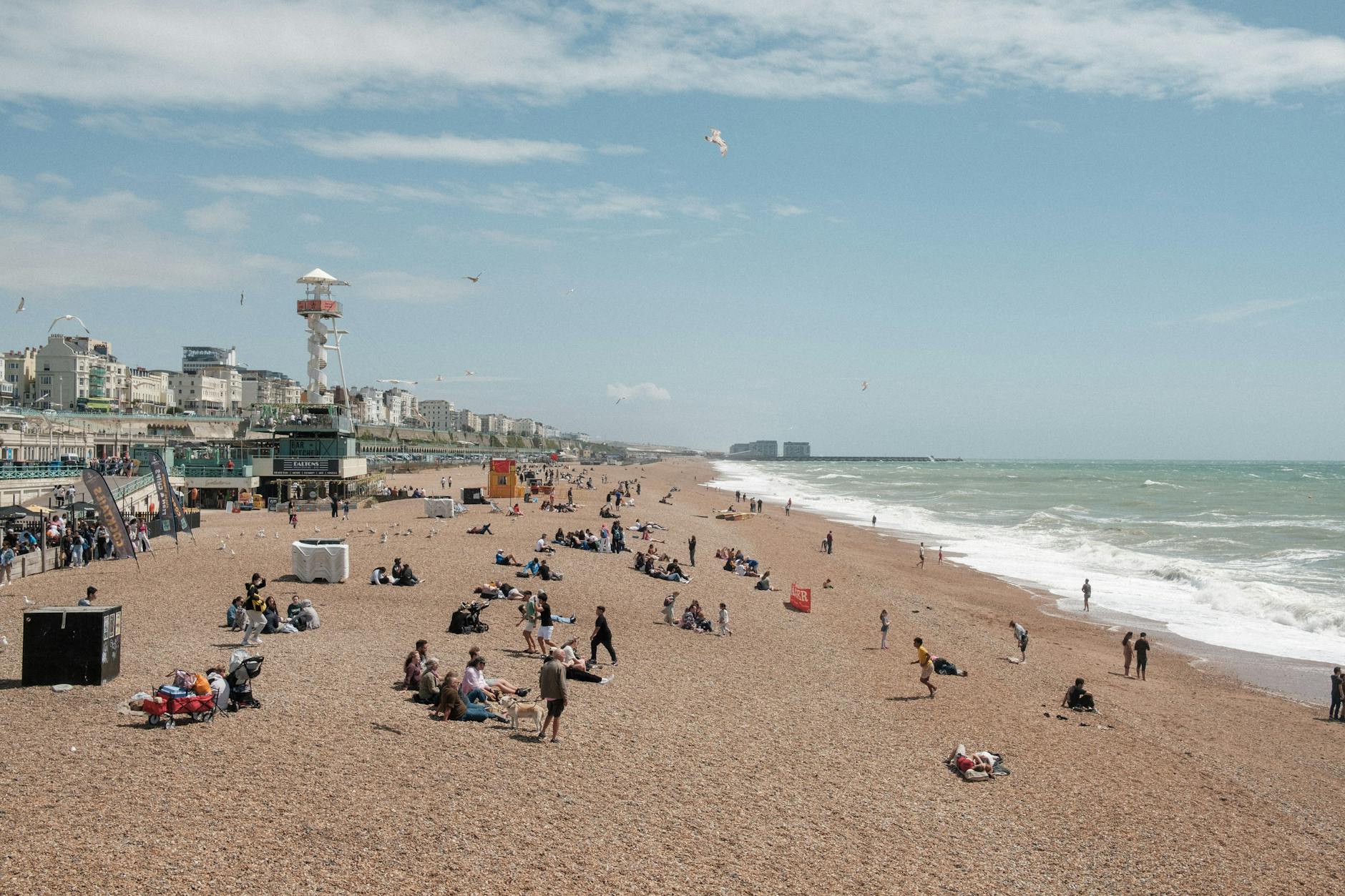
The physical setting of Brighton Beach restaurants, concentrated along the Atlantic boardwalk, creates an experience that differs from enclosed neighborhood restaurants. Tatiana and other boardwalk establishments offer windows overlooking the beach, particularly appealing during warmer months. This location reflects the neighborhood’s historical development as a beach resort before becoming primarily residential, and it informs the restaurant culture—these were originally establishments serving beachgoers before becoming anchors of a permanent Russian community.
The boardwalk location also provides practical advantages. You can combine a meal with a walk along the beach, visit during off-peak hours to explore the neighborhood, and enjoy relatively relaxed parking compared to Manhattan locations. During summer, the outdoor seating along the boardwalk provides a casual atmosphere distinct from the more formal dining areas inside. However, winter and bad weather reduce the boardwalk’s appeal, which is why the most dedicated diners tend to visit year-round regardless of conditions.
What Does the Future Hold for Brighton Beach Russian Restaurants?
The neighborhood faces complex dynamics that will determine its culinary future. Demographic stability remains better than many immigrant neighborhoods, with continued new Russian immigration offsetting some departures. However, real estate pressure from development, increasing rents, and the gradual aging of the original immigrant generation without equal numbers of younger replacements create ongoing challenges. Some restaurants have already closed, while others have been modified or sold to new owners with less connection to traditional Russian cuisine.
What seems likely is gradual evolution rather than preservation or disappearance. Brighton Beach will probably remain the center of Russian food in New York, but the restaurants themselves may shift—fewer ultra-traditional places, more establishments that blend authenticity with accessibility for broader audiences. The neighborhood won’t become trendy or modernized in the way other immigrant neighborhoods have, partly because the Russian community resists such transformation, but also because Brighton Beach’s value to regulars derives precisely from its authentic, unpretentious approach. The best Russian food in Brooklyn will remain here for the foreseeable future, though the specific restaurants serving it may change.
Conclusion
Brighton Beach offers the most authentic Russian food in New York, concentrated in unpretentious neighborhood restaurants that have changed remarkably little since the 1980s. The best experiences come from approaching the neighborhood as a destination for serious Russian food rather than as a trendy dining hot spot. Restaurants like Tatiana, combined with dozens of smaller establishments, maintain traditions that reflect genuine expertise and continuity with Soviet-era cooking rather than modern interpretations of Russian cuisine.
Visiting Brighton Beach requires accepting its cultural specificity—limited English accommodation, cash-based transactions at some places, crowded conditions, and menus that assume customer familiarity with Russian food. These characteristics that might discourage casual diners represent precisely what makes Brighton Beach valuable for those seeking authenticity. If you approach the neighborhood with realistic expectations and willingness to experiment, the experience provides something genuinely rare in New York: affordable, expert cuisine prepared by people who grew up eating and cooking it, in communities where these dishes remain part of everyday life rather than novelty offerings.
Frequently Asked Questions
What is the best Russian restaurant in Brighton Beach?
Tatiana remains the most recognized and reliable option, known for consistent quality and boisterous, authentic atmosphere. However, “best” depends on what you’re seeking—some restaurants excel at specific dishes rather than across the entire menu.
Do I need reservations to visit Brighton Beach Russian restaurants?
Most operate on a walk-in basis, but weekend evenings can require waits. Calling ahead to check availability is recommended for larger groups or specific restaurants.
Are Brighton Beach restaurants expensive?
No—prices remain substantially lower than Manhattan restaurants, typically in the moderate range. You can eat well at most establishments for $20-35 per person.
Is it safe to visit Brighton Beach?
Yes—the neighborhood is residential and stable. However, some areas are less developed than others, so visiting restaurants in the main commercial areas along Brighton Beach Avenue and the boardwalk provides the most consistent experience.
What should I order if I’ve never had Russian food?
Start with borscht, pelmeni, or whole roasted fish—these represent the cuisine’s foundations. Ask your server for recommendations rather than trying to navigate an unfamiliar menu independently.