
The best grab and go lunch options in 11235, the Coney Island and Sheepshead Bay area of Brooklyn, center around affordable delis, bagel shops, and sandwich spots that reflect the neighborhood’s working-class character and diverse population. If you’re looking for quick, filling meals during a busy workday, Sheepshead Bay’s numerous local delis offer everything from pastrami sandwiches to fresh seafood platters, while Coney Island proper remains famous for Nathan’s Famous hot dogs and the smaller, less-crowded contenders along the boardwalk. The 11235 zip code is home to several family-owned establishments that have operated for decades, making them reliable options for anyone seeking consistent quality without the premium pricing of Manhattan’s trendier neighborhoods.
What makes grab and go dining in 11235 distinct is the emphasis on substance over presentation. A proper sandwich from one of the local delis comes fully loaded with meat or fish, pickles, and actual attention to assembly—not the minimalist Instagram-friendly portions that justify expensive pricing elsewhere. The cost difference is significant: a quality pastrami sandwich here runs $12 to $16, compared to $18 to $24 in Midtown. The neighborhood’s concentration of Russian and Eastern European residents has also shaped the food landscape, introducing options like blini-based quick meals and smoked fish that you won’t find in most other Brooklyn zip codes.
Table of Contents
- Where to Find Quality Grab and Go Lunch Near Sheepshead Bay
- Brooklyn Delis and the Pastrami Standard
- Bagel Shops and the Quick Breakfast-Lunch Hybrid
- The Convenience Store and Bodega Option
- Supply Chain Concerns and Hidden Costs
- Seafood Counter Lunch and Friday Options
- The Changing Grab and Go Landscape and Future Trends
- Conclusion
- Frequently Asked Questions
Where to Find Quality Grab and Go Lunch Near Sheepshead Bay
The Sheepshead Bay boardwalk and the blocks surrounding it contain the highest concentration of grab and go options. Randazzo’s Clam Bar sits on the waterfront and serves raw oysters, clams, and shrimp cocktails that you can eat standing up, with prices starting around $2 per piece—a far better value than similar offerings in upscale seafood spots. The spot is known for both tourists and locals, though the line moves quickly and most people are in and out within 15 minutes. One limitation is that seating is nonexistent in warm weather; Randazzo’s is strictly a stand-and-eat operation, which works fine if weather permits but becomes impractical in rain or cold.
Coney Island itself, while famous for Nathan’s Famous, actually offers better value at the smaller hot dog vendors dotting the boardwalk near the amusement park. These unnamed carts and small storefronts charge $4 to $6 for a quality hot dog with multiple topping options, compared to Nathan’s premium pricing. The comparison is stark: a Nathan’s Famous dog costs $8 to $10, while competing vendors deliver nearly identical products at half the price. The tradeoff is that these smaller operations don’t have the brand recognition, meaning you’re making a calculated bet that a nameless cart is as clean and reliable as an institution. Most are—the turnover rate is high, which keeps things fresh—but you’re not paying for that assurance.

Brooklyn Delis and the Pastrami Standard
The delis scattered throughout 11235 remain the backbone of grab and go lunch culture in the area. These establishments—many of which have been family-owned for 30+ years—make their own corned beef and pastrami in-house, a practice that has almost entirely disappeared outside of a handful of neighborhoods. M&I International Food on Brighton Beach Avenue is one such spot; their pastrami sandwich arrives on good rye with mustard, and the meat is sliced thick enough that it maintains texture rather than dissolving into a uniform paste. The $14 sandwich and a pickled tomato comes to about $17 total, which is reasonable for lunch. The limitation of Brooklyn delis is consistency across different locations.
Some establishments have maintained their recipes and sourcing for decades; others have gradually compromised on meat quality or bread sourcing as costs rose. Without insider knowledge, you’re often guessing. Additionally, many delis close earlier than you’d expect—between 6 and 7 PM—because their core business has always been lunch and light breakfast service. If you’re working late or eating dinner-hour lunch, you may find your favorite spot already shut down. Another reality: the demographic is aging. Several long-standing delis have closed in the past five years as owners retired and younger family members moved to other careers.
Bagel Shops and the Quick Breakfast-Lunch Hybrid
Bagel shops in 11235 function as grab and go operations even more efficiently than delis, with most transactions taking under three minutes. These are not the artisanal bagel boutiques that charge $6 per bagel; they’re straightforward production facilities that make dozens of bagels per hour and sell them with basic toppings. A bagel with cream cheese and lox runs $7 to $9 depending on the lox quality, and it’s a filling meal that keeps you satisfied through mid-afternoon. Specific example: most shops in the neighborhood use Atlantic or Norwegian lox rather than premium Scottish imports, which keeps prices down without noticeably compromising flavor for most palates.
The warning here is freshness. Bagels maintain quality for roughly four hours after baking. If you’re buying from a shop where the bagels have been sitting since 8 AM and it’s now 1 PM, you’re getting yesterday’s product heated and passed off as fresh. Shops with high turnover—evidenced by a line out the door—are safer bets. The advantage of a bagel over a sandwich is shelf life: a bagel in a bag stays edible for eight hours, whereas a deli sandwich with mayo-based dressing degrades after three hours in a lunch bag.
The Convenience Store and Bodega Option
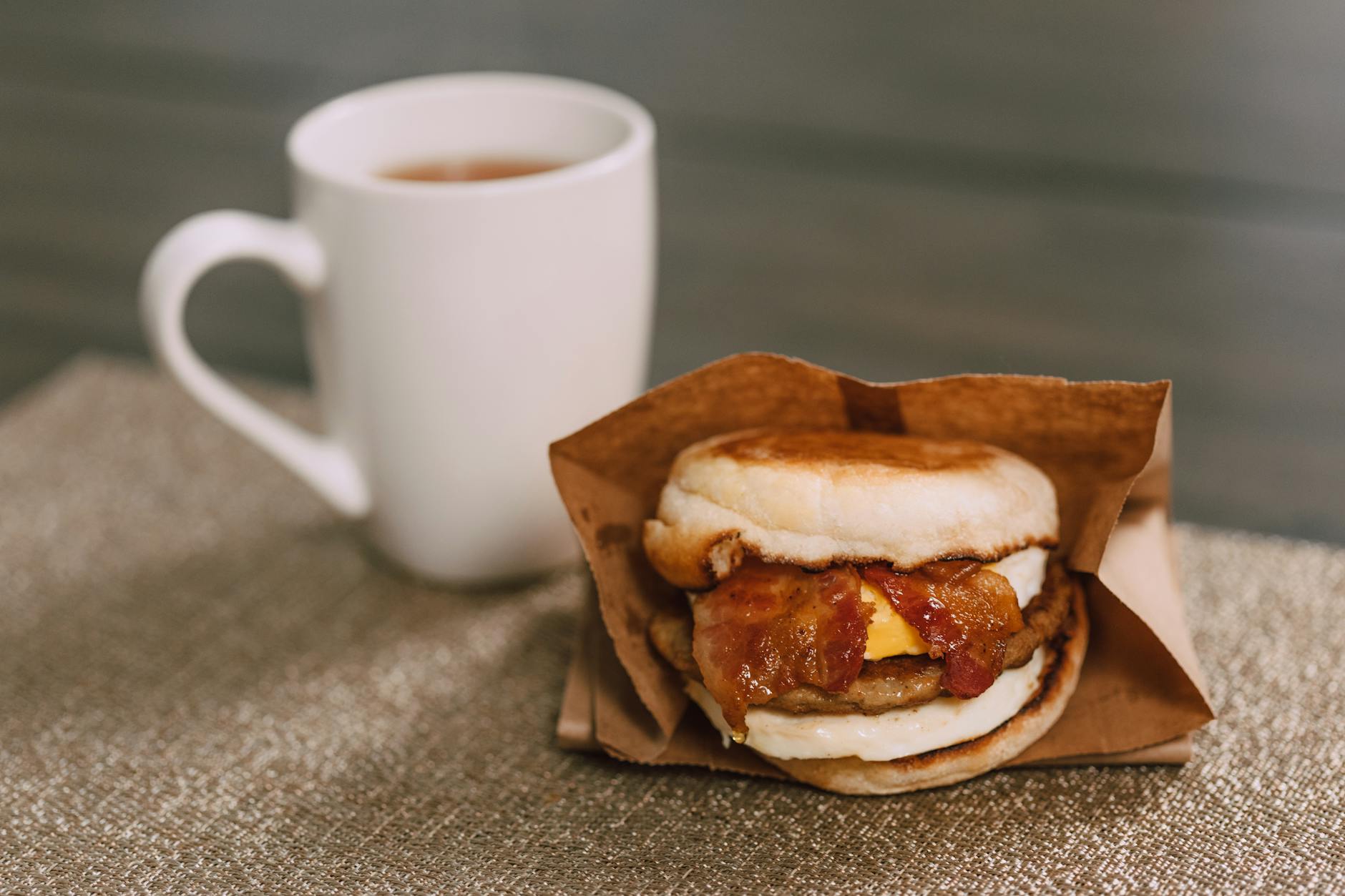
Bodega sandwiches in 11235 occupy a category of their own. They’re assembled while you wait, cost $6 to $9, and represent the true low end of grab and go. The quality variance is enormous: a bodega that sources fresh turkey and decent bread produces a serviceable meal, while one using commodity processed turkey and day-old bread does not. The practical advantage is ubiquity—there are approximately six to eight bodegas within walking distance of any point in 11235, whereas delis and bagel shops require planning.
The tradeoff is that bodega sandwiches are fundamentally products of convenience, not craftsmanship. They fill a gap rather than deliver satisfaction. If you’re building a lunch habit around grab and go options, bodega sandwiches are worth trying once or twice from different shops to identify which ones maintain adequate standards. Most bodega owners are aware that sandwich assembly is the highest-value part of their business and take care with it—the sandwich is often what determines whether a customer returns. Just avoid any bodega that keeps pre-made sandwiches in a display case; these are inevitably stale or deteriorating.
Supply Chain Concerns and Hidden Costs
One issue that rarely gets discussed in grab and go discussions is the origin and handling of ingredients. A pastrami sandwich is only as good as the rye bread and the preservation method of the meat. Several Brooklyn delis source their rye from the same supplier—a commercial bakery in Sunset Park—which means variation is minimal, but also means that if that supplier has a bad week, multiple delis are simultaneously affected. For context, in 2022, a supply chain disruption caused several beloved Brooklyn delis to temporarily stop making pastrami because their curing supplies were unavailable. The lesson is that these operations are not as independent as they appear.
Another limitation is payment. Most traditional delis operate on cash-only or accept cards with resistance (they still reference “the credit card fee”). This creates a friction point if you’re expecting modern payment methods. Bodega sandwiches suffer from the opposite problem: they’re entirely dependent on card readers that occasionally malfunction, leaving you without a fallback if you’ve run out of cash. Neither scenario is a deal-breaker, but both require adjustment to typical city living habits.
Seafood Counter Lunch and Friday Options
Sheepshead Bay’s seafood operations double as grab and go lunch spots on weekdays. You can order a paper container of shrimp salad, calamari, or marinated mussels, and eat standing at one of the nearby benches within five minutes. Friday lunches are particularly busy—local Jewish residents stock up on ready-made seafood for the weekend, creating a secondary rush. A container of shrimp or calamari runs $12 to $18 and provides more protein than most deli sandwiches.
The specific advantage is freshness. Seafood counters that turn inventory quickly maintain higher quality than those that don’t. A spot that sells 200 pounds of shrimp per day has product that’s likely one or two days old; a location that sells 30 pounds per day might have product that’s been sitting for five days. The neighborhood’s location directly on the water historically meant fresh deliveries multiple times per week, though modern logistics have made this less of an advantage than it once was.
The Changing Grab and Go Landscape and Future Trends
The grab and go lunch scene in 11235 is in transition. Younger business owners are slowly entering the market with updated versions of traditional operations—a handful of newer delis have installed card-only payment, extended hours, and partnered with delivery apps. These hybrid operations attract different customers than the traditional model, though prices are notably higher. A sandwich at a newer establishment costs $18 to $22, which narrows the price gap between 11235 and Manhattan.
The longer-term question is whether traditional independent operations can survive another decade as rents increase and owner retirements accelerate. Several delis that defined the neighborhood for 40 years have closed in the past five years. The replacement has been slower than some might expect—fast casual chains haven’t flooded the neighborhood the way they have other Brooklyn areas, perhaps because the neighborhood’s demographics favor established institutions over trends. For lunch hunting in 11235, the advantage of traditional operations remains their consistency and cost, but the window to experience them as they’ve existed for decades is likely narrowing.
Conclusion
The best grab and go lunch in 11235 depends on what you value: speed, cost, or quality. If you prioritize cost, bodegas and smaller seafood stands deliver adequate meals for under $10. If you prioritize quality with reasonable cost, the neighborhood’s family-owned delis remain unmatched—a pastrami sandwich at one of these establishments still represents better value than equivalent options in most other New York City neighborhoods.
The gap between 11235 and trendier areas is narrowing as newer operations set higher prices, but traditional spots remain. Building a sustainable grab and go lunch habit in this zip code requires accepting that several beloved institutions will likely close within the next decade. Take advantage of the current landscape while it exists, identify two or three reliable spots for different situations (a deli for quality, a bagel shop for speed, a seafood counter for variety), and rotate among them. The neighborhood is still in a sweet spot where you can eat well on $15 to $18 per day, which is a difficult proposition in most of New York City.
Frequently Asked Questions
What’s the cheapest grab and go lunch option in 11235?
Bodega sandwiches and small hot dog vendors offer meals for $4 to $9. These represent the lowest cost but with the most variance in quality.
Which delis in 11235 make their own pastrami?
Multiple family-owned operations still cure their own pastrami in-house, including M&I International Food and several unnamed delis along Brighton Beach Avenue. Ask at the counter—owners take pride in this process.
Are the seafood options in Sheepshead Bay safe to eat from a food safety perspective?
Yes, the neighborhood’s seafood counters maintain high turnover and are inspected regularly. The main concern is age—buy from busy counters where product moves quickly, not slow locations.
How much longer will traditional delis in 11235 remain open?
This is unknowable, but several closures in recent years suggest the window is narrowing. If you have favorites, visit regularly to support them.
Can I get a decent lunch for under $10 in 11235?
Yes, consistently. Bodega sandwiches, hot dogs, and basic bagels all fall in this range. Quality varies, but the price-to-quality ratio is favorable compared to other neighborhoods.
What should I avoid when ordering grab and go lunch here?
Avoid pre-made sandwiches sitting in display cases, bodega locations with low turnover, and any establishment that seems inattentive to food assembly.