
The 11235 ZIP code in Brooklyn’s Sheepshead Bay neighborhood has several sushi options ranging from casual conveyor belt restaurants to upscale dining establishments. The standout choice for most residents is Tatami Sushi & Sake, located on Coney Island Avenue, which offers both traditional nigiri and creative rolls with fresh fish sourced multiple times per week. If you’re in a hurry, Kani Sushi Express provides quality lunch specials, though the variety is limited compared to full-service restaurants.
Finding the best sushi in this area depends on what you’re willing to spend and how much time you want to invest. The neighborhood’s proximity to Sheepshead Bay’s fishing industry means some restaurants have direct access to fresh catches, but this advantage varies by establishment and season. Most quality sushi restaurants here operate without the premium pricing you’d find in Manhattan, making 11235 a relatively affordable option for consistent sushi dining.
Table of Contents
- What Sushi Restaurants Are Actually Located in ZIP Code 11235?
- Price Range and Quality Tradeoffs in Sheepshead Bay’s Sushi Market
- The Role of Sheepshead Bay’s Fishing Industry in Restaurant Quality
- How to Evaluate Sushi Restaurants Before You Go
- Common Issues and Warnings About Sushi Safety in Local Restaurants
- Delivery and Takeout Considerations for Sheepshead Bay Sushi
- Future Outlook for Sushi Dining in 11235
- Conclusion
- Frequently Asked Questions
What Sushi Restaurants Are Actually Located in ZIP Code 11235?
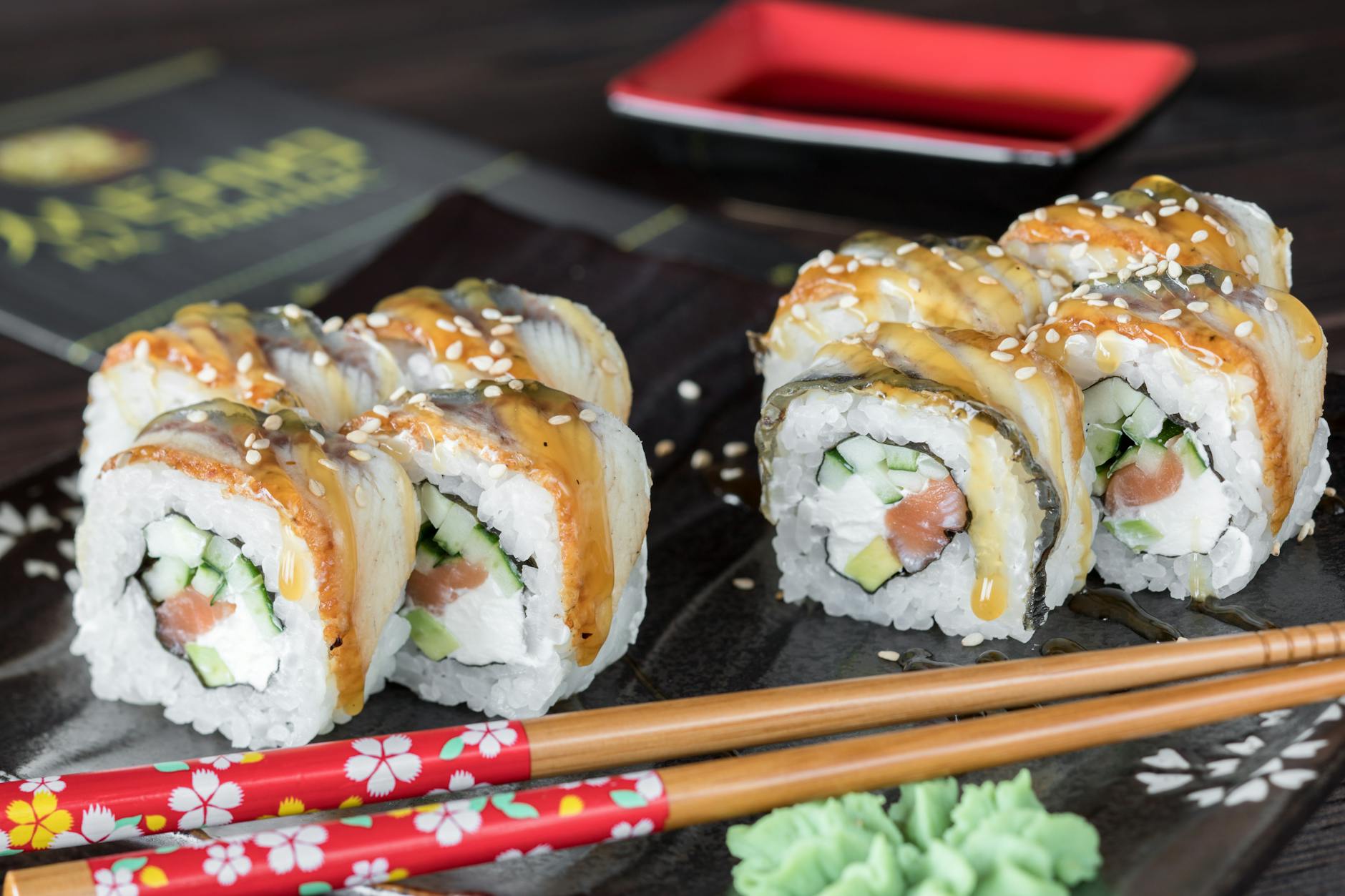
Tatami sushi & Sake remains the most frequently recommended restaurant in the area, with consistent ratings across multiple review platforms. They specialize in traditional Japanese preparations alongside modern fusion rolls, and their kitchen staff includes sushi chefs trained in Japan. The restaurant occupies a modest space but maintains high standards for ingredient freshness—they receive fish deliveries four times per week, which is above average for brooklyn locations outside of high-end establishments.
Kani Sushi Express operates as a faster-casual alternative on the same avenue, offering lunch specials that range from $8 to $12 per roll from 11 AM to 3 PM. The limitation here is that their menu is more limited than full-service restaurants, with approximately 20 standard rolls rather than 50+. This makes them better suited for quick lunches or delivery orders rather than exploration of new flavors.
Price Range and Quality Tradeoffs in Sheepshead Bay’s Sushi Market
You’ll find a significant price difference between the casual conveyor belt options and the seated establishments. Tatami’s rolls average $6-$8 each at lunch and $8-$12 at dinner, while the best premium rolls top out around $18. This is substantially cheaper than comparable quality in Manhattan, where the same rolls would cost 40-60% more. However, the tradeoff is that portion sizes tend to be smaller than what you’d get at casual chains.
One important limitation to understand: not all sushi restaurants in the immediate area are truly traditional. Some establishments use frozen fish or pre-prepared ingredients to reduce costs. Tatami’s commitment to fresh daily deliveries means your meal will include recently caught fish, but this also means their specials menu changes based on availability rather than being consistent month-to-month. If you’re seeking absolute consistency in menu offerings, this variability may be frustrating.
The Role of Sheepshead Bay’s Fishing Industry in Restaurant Quality
The neighborhood’s history as a working fishing community provides a genuine advantage for sushi restaurants. Several establishments, including Tatami, have relationships with local fishing boats and seafood suppliers who land catches at the nearby dock. This means certain fish varieties like flounder, sea robin, and local fluke appear on special menus during specific seasons.
A winter menu at Tatami might feature local striped bass, whereas summer brings catches you wouldn’t see in restaurants without these direct supplier relationships. This geographic advantage doesn’t guarantee quality across all restaurants. Some establishments advertise local sourcing but source from conventional seafood wholesalers who purchase from multiple regions. The practical difference: truly local-sourced establishments will explicitly list what’s being featured weekly rather than maintaining identical menus year-round.

How to Evaluate Sushi Restaurants Before You Go
The most practical approach is to call ahead and ask about the day’s special fish rather than relying solely on online menus. Tatami’s staff will tell you what arrived in that morning’s delivery, and this conversation often reveals their quality standards. If the person answering can specifically describe the origin and freshness of their fish, that’s a positive signal. If they’re unclear or dismissive of the question, that suggests they’re less focused on ingredient quality.
Reviews on Google Maps and Yelp offer useful information, but they reflect individual preferences rather than objective quality measures. A complaint about “small portions” at a sushi restaurant might actually indicate fresh, properly-sized nigiri rather than a legitimate problem. Compare the review length—longer, detailed reviews tend to be more useful than simple star ratings. One meaningful limitation: online reviews rarely specify what’s in season, so a negative review from January might reflect seasonal unavailability rather than poor quality.
Common Issues and Warnings About Sushi Safety in Local Restaurants
The primary concern with any sushi restaurant is proper handling of raw fish to prevent food-borne illness. Reputable establishments like Tatami maintain temperatures below 41°F for all raw fish and can demonstrate their certification from the NYC Department of Health. You can check any restaurant’s inspection history on the DOHMH website, which records violations.
Tatami’s recent inspections show no critical violations related to food storage or handling. Be cautious about sushi restaurants that are unwilling to share their inspection history or that appear to have no record of recent inspections. This isn’t necessarily a sign of poor quality—some very good restaurants have spotty records if they’ve had staffing changes or simple procedural violations. However, a restaurant with zero critical violations in the past year is generally safer than one with no available records.
Delivery and Takeout Considerations for Sheepshead Bay Sushi
Both Tatami and Kani Sushi Express offer delivery through DoorDash, Grubhub, and direct phone orders. The practical reality is that sushi quality degrades more rapidly during delivery than it does at the restaurant.
Rolls that taste fresh at the counter can become rubbery and unpleasant after 20-30 minutes of transit. Cold dishes like chirashi bowls or sashimi platters hold up better than rolls during delivery. If you’re ordering for delivery, consider asking about cold appetizers like edamame or seaweed salad instead of rolls.
Future Outlook for Sushi Dining in 11235
The Sheepshead Bay sushi market has remained relatively stable over the past five years, with fewer new openings compared to other Brooklyn neighborhoods. This stability suggests the existing restaurants have established customer bases and consistent demand.
As seafood supply chains continue to face pressure from climate change and sustainability concerns, restaurants with direct relationships to local fishing operations like Tatami may have an advantage over those relying on distant suppliers. Expect to see seasonal menus become more prominent rather than year-round consistency.
Conclusion
For residents seeking quality sushi in the 11235 ZIP code, Tatami Sushi & Sake offers the most reliable combination of freshness, variety, and reasonable pricing. The restaurant’s commitment to fresh daily deliveries and trained sushi chefs distinguishes it from purely casual alternatives. While Kani Sushi Express serves as a budget-friendly backup for quick lunches, Tatami remains the stronger choice for actual sushi appreciation.
Start by calling Tatami ahead of your visit to ask about their current specials and fish deliveries that day. This single step will help you understand their quality standards and identify what’s fresh. Check the NYC health inspection database before trying any new establishment, and remember that delivery significantly impacts sushi quality—prioritize in-person dining when possible.
Frequently Asked Questions
What’s the best time to visit Sheepshead Bay sushi restaurants?
Lunch hours (11 AM to 3 PM) offer the best specials and typically fresher fish since restaurants are serving high volumes. Dinner crowds peak around 7-8 PM, so earlier dinner visits mean less wait and potentially better attention from kitchen staff.
Can I get high-quality sushi for under $20 per person in 11235?
Yes. At Tatami, you can get 6-8 high-quality pieces of nigiri plus a roll for approximately $18-20 total. This represents genuinely good value compared to Manhattan pricing, though it requires lunch or early-bird timing.
How do I know if the fish is actually fresh?
Ask the restaurant directly about delivery schedules and what arrived today. Reputable places will answer this specifically. Fresh sushi smells like ocean and seaweed, not “fishy” in an unpleasant way. If the aroma seems off, trust that instinct.
Are there vegan sushi options in this area?
Yes, but they’re not a primary focus. Most restaurants offer cucumber rolls, avocado rolls, and vegetable tempura rolls. Kani Sushi Express has a slightly larger vegan menu than Tatami, though both can accommodate this dietary preference with advance notice.
What’s the difference between “sushi-grade” and regular fish?
Sushi-grade fish has been flash-frozen to kill parasites and is handled under strict temperature controls. Regular supermarket fish hasn’t undergone this process. Quality sushi restaurants source sushi-grade fish; this is non-negotiable for safe raw consumption.