
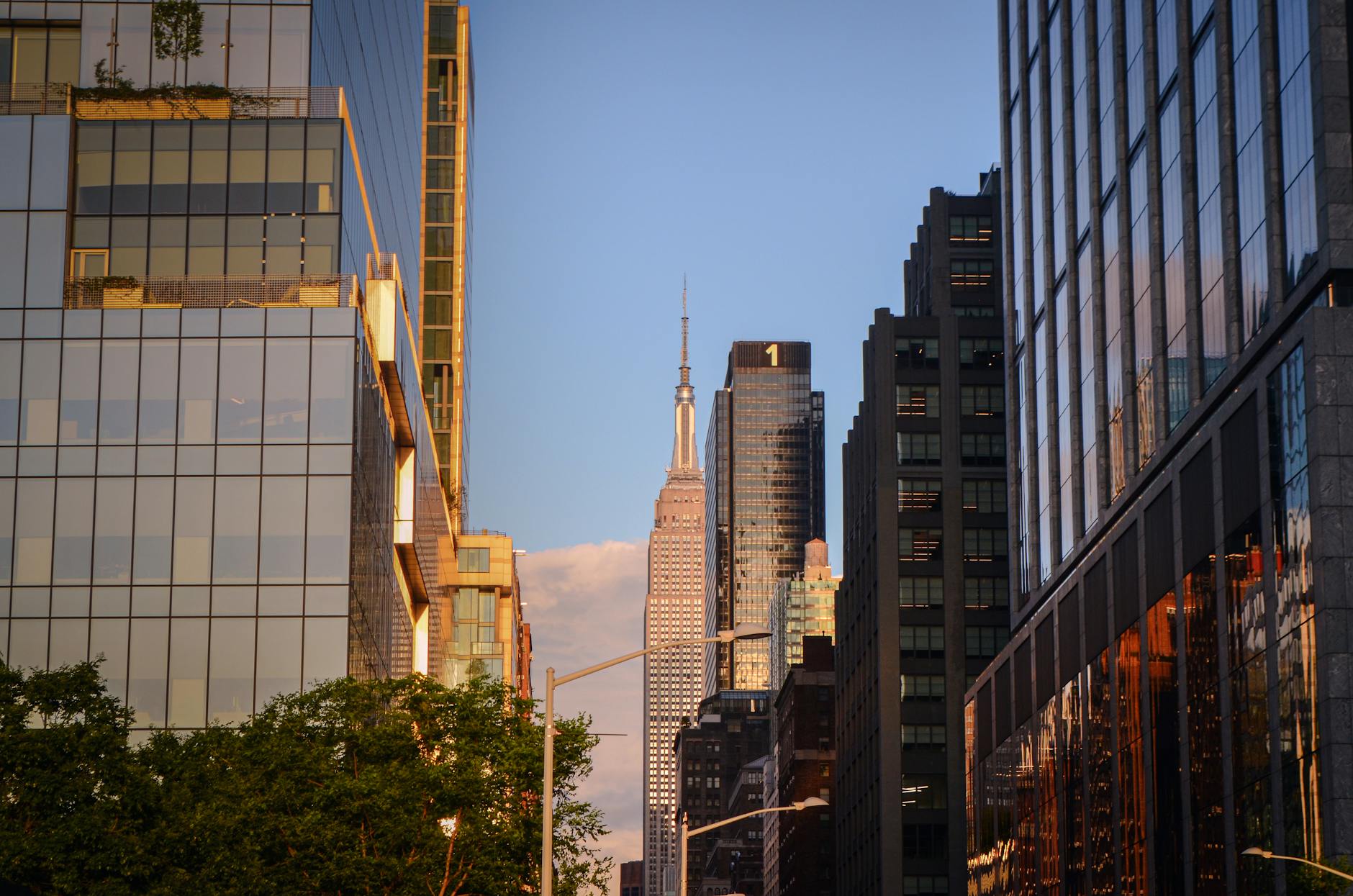
ZIP code 10022 covers Midtown East Manhattan, a densely populated commercial and residential corridor that stretches from Grand Central Terminal to the east side of Central Park. The breakfast scene here is defined by quick-service spots catering to office workers, a few established sit-down diners, and premium hotel restaurants serving guests and local professionals. The area doesn’t have a single “best” breakfast destination so much as a tiered ecosystem: grab-and-go coffee shops on nearly every block, midrange breakfast spots open before 7 AM, and higher-end options in luxury hotels like the Waldorf Astoria and Peninsula.
For investors or business professionals working in Midtown, practical breakfast options matter. A survey of the neighborhood reveals that most morning diners choose between established chains (like Starbucks and Sweetgreen), independent delis and bagel shops that have operated for 20+ years, and sit-down restaurants in nearby hotels. The reality is that ZIP 10022’s breakfast market is saturated but not particularly innovative—it serves function over experience, with most customers spending between $8 and $25 per meal.
Table of Contents
- Where Do Midtown East Professionals Actually Eat Breakfast?
- Hotel Restaurants and Premium Breakfast Options
- Bagel Culture and the Role of New York Institutions
- Speed, Cost, and the Commute Tradeoff
- Breakfast and the Remote Work Shift
- The Role of Delivery and Off-Premises Breakfast
- The Future of Breakfast in Midtown East
- Conclusion
Where Do Midtown East Professionals Actually Eat Breakfast?
The backbone of breakfast in 10022 is the independent deli. These small establishments—often family-run for decades—occupy corner storefronts and serve the same crowd of regulars every morning. They offer egg sandwiches, Greek yogurt parfaits, pastries, and coffee, typically opening by 6:30 AM. For example, a typical Midtown deli charges $6–$8 for an egg sandwich on a roll, $3–$4 for a coffee, and stocks grab-and-go options like fruit cups and granola bars. These locations are convenient but undifferentiated, and many operate on thin margins. Chain coffee and fast-casual restaurants dominate the zip code numerically.
Starbucks has at least four locations within 10022 itself, plus several more on adjacent borders. Sweetgreen has two locations in the zip code. These chains offer consistency and speed—critical for the working professional with 15 minutes to eat before a 9 AM meeting. The downside is cost: a typical Sweetgreen breakfast bowl runs $13–$15, and the daily Starbucks habit adds up quickly over the year. What’s notably absent from 10022 is the kind of “destination” breakfast restaurant that draws crowds across neighborhoods. Unlike downtown areas like the West Village or Brooklyn, which have become known for specific breakfast spots, Midtown East offers competence without character. This reflects the transient nature of the workforce and the premium real estate costs that favor quick-turnover operations over leisurely brunches.
Hotel Restaurants and Premium Breakfast Options
The park Avenue and 5th Avenue corridors contain luxury hotels with standalone breakfast dining. These restaurants serve hotel guests, local executives, and visitors willing to pay premium prices for atmosphere and quality. A breakfast at a hotel restaurant in 10022 typically costs $18–$28 per person before tax and tip—roughly double the midrange option. The tradeoff is tableside service, higher-quality ingredients, and a quieter environment than a busy street-level deli. However, these establishments carry a significant limitation: inconsistency tied to hotel staffing and seasonal fluctuations.
During summer, when Manhattan’s office population thins due to vacation and remote work, hotel breakfast restaurants often operate reduced hours or with limited menus. Additionally, the quality can vary dramatically based on which kitchen staff is working and how the hotel prioritizes breakfast as a profit center versus a convenience service for guests. A hotel restaurant serving 120-seat breakfast demand one morning might serve 40 seats the next, affecting both service speed and food quality. The premium breakfast market in 10022 also includes a handful of upscale delis and prepared-food shops that position themselves above the standard corner deli. These spots charge $10–$14 for prepared breakfast items and emphasize organic or locally sourced ingredients. The reality is that most of these premium independents operate with high overhead and compete with cheaper alternatives, making them vulnerable to closure during economic downturns.
Bagel Culture and the Role of New York Institutions
New York bagel shops represent a specific category of breakfast destination, and 10022 has several. These establishments have deep neighborhood history—some have been in place for 30+ years—and serve a loyal customer base. A classic bagel with cream cheese and lox costs $8–$12, making it a reasonable middle option between the cheap deli and the expensive hotel. Bagel shops also serve as informal meeting places for local professionals and serve a functional role in the breakfast ecosystem.
What’s important to understand about bagel shops in this area is that their survival depends on consistency and reputation more than innovation. A bagel shop that has served the same community for two decades often has pricing power and customer loyalty that newer competitors cannot match. For example, a bagel shop that opens at 5:30 AM to serve the early commuter crowd builds a habit-based customer base that sustains it through slower periods. The limitation is that bagel shops have aging customer bases in some cases and don’t attract younger workers or visitors unfamiliar with specific neighborhood institutions.
Speed, Cost, and the Commute Tradeoff
For most professionals in ZIP 10022, the breakfast decision balances three factors: speed, cost, and location relative to the commute. A worker arriving by subway from the Upper West Side might grab a coffee and pastry from a Starbucks in the subway station ($8–$10, 5 minutes). A worker in an office building might order from the in-building café or deli ($10–$15, 3 minutes). A worker with 30 minutes might walk to a sit-down deli or bagel shop ($12–$18, 30 minutes).
Each choice reflects the day’s time pressure and commute timing. The practical reality is that commuting costs—time and money—often determine breakfast choice more than food quality. A professional with a 45-minute subway commute from Queens will choose a quick in-office option over a restaurant experience. This dynamic explains why chains and delis with high visibility and minimal wait times succeed in the area, while restaurants requiring advance planning or seating time struggle to capture the breakfast crowd. The comparison is useful: a 20-minute breakfast experience in 10022 is often seen as luxury, not normal, because the working population values time savings over culinary experience.
Breakfast and the Remote Work Shift
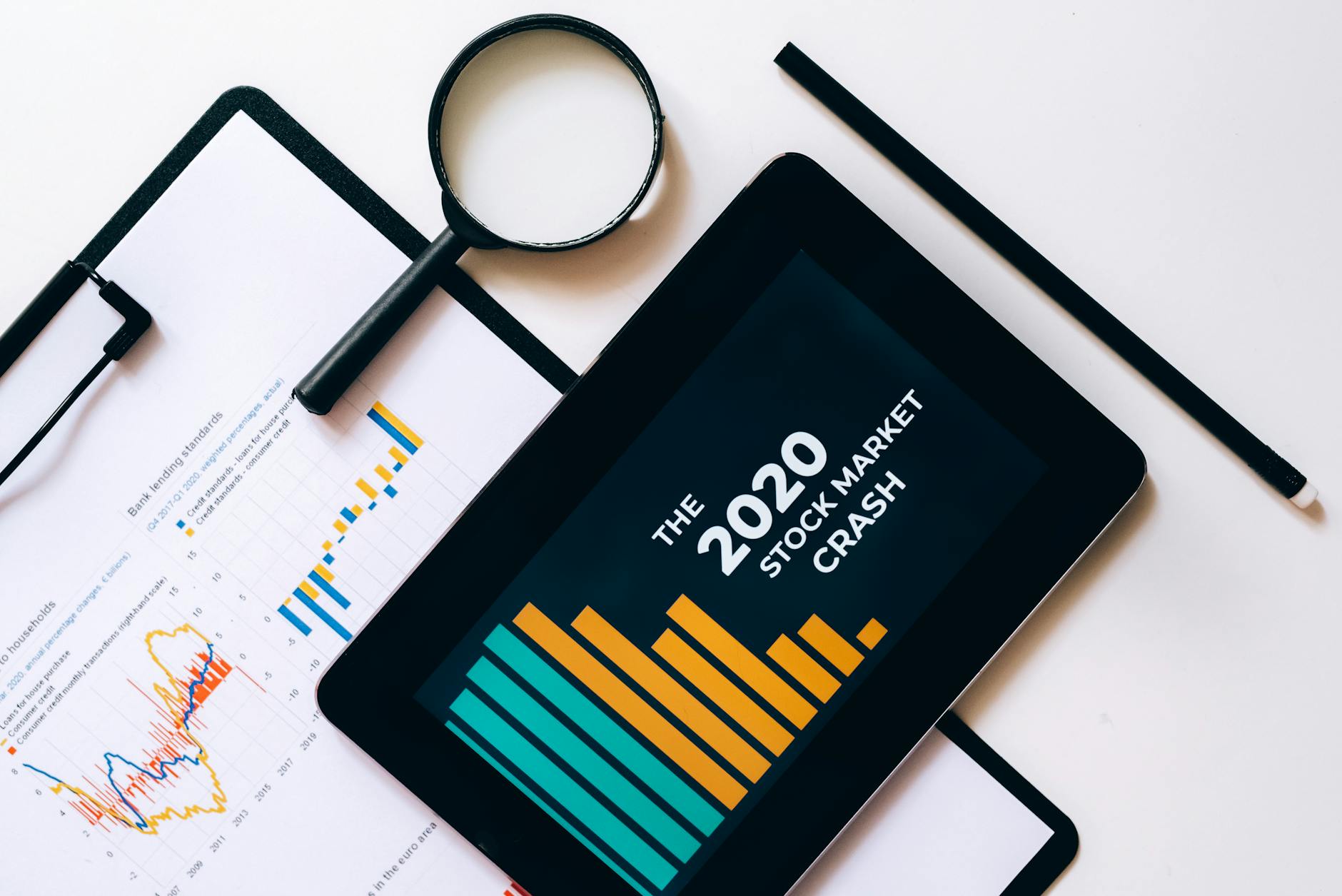
The rise of remote and hybrid work since 2020 has materially changed breakfast dynamics in Midtown East. The neighborhood’s office buildings are at lower occupancy than they were in 2019, which has reduced foot traffic and breakfast revenue for small restaurants. Many delis and small breakfast spots that relied on high volume and morning rush period now face off-peak periods with minimal customers.
This is a significant limitation: a breakfast deli or café that cannot sustain itself on midday traffic and 5-days-a-week office attendance faces closure risk. The warning here is relevant to anyone considering this neighborhood for breakfast or business: some longstanding breakfast institutions may disappear if the office workforce doesn’t return to pre-2020 density. Companies with flexible work policies or permanent remote options have reduced their real estate footprint, which cascades into lower demand for neighborhood breakfast services. This affects not just restaurants but also delis, coffee shops, and bagel stores that depend on office worker density.
The Role of Delivery and Off-Premises Breakfast
Mobile food delivery apps have carved out a growing share of the breakfast market in 10022. Services like DoorDash, Grubhub, and Uber Eats allow workers to order breakfast to their offices or homes without leaving. This channel typically adds 15–20% to the base food cost (delivery fee plus markup), but saves time.
The example is straightforward: ordering a $10 breakfast sandwich via app costs $14–$15 delivered, but requires zero commute time and arrives in 20–30 minutes. This shift has benefited some restaurant groups while pressuring independent delis. A restaurant with a strong kitchen can sustain higher volume through delivery, while a deli relying on walk-in traffic and commuters gets cut out. The net effect is that breakfast competition in 10022 now includes both on-premise and off-premise players, fragmenting the market.
The Future of Breakfast in Midtown East
The breakfast market in ZIP 10022 will likely continue its trajectory toward consolidation around chains and established institutions, with marginal independents under pressure. If Midtown office occupancy returns to 2019 levels, more breakfast locations may stabilize or expand. If remote work persists at current rates, more closures are likely, reducing options and convenience.
The question for businesses and investors in the area is whether the residential population will sustain neighborhood food services independently of office workers—a meaningful uncertainty given Manhattan’s expensive residential market and high turnover. Another development to watch is the rise of “fast-casual premium” concepts—places like Sweetgreen and similar chains that position themselves above quick-serve but below sit-down restaurants. These concepts are better capitalized and can absorb downturns that independent operators cannot. This structural shift favors chains and concept-driven restaurants over legacy delis, even if delis maintain customer loyalty.
Conclusion
The best breakfast in ZIP code 10022 depends on your constraints. If you have five minutes and are focused on cost, a deli or bagel shop offers $6–$10 options. If you have 15–20 minutes and value quality, a premium deli or café like Sweetgreen or a hotel café works. If you have 30+ minutes and prioritize experience, a hotel restaurant or established sit-down spot is available at $18–$28.
None of these options is intrinsically “best”—they’re ranked by the tradeoff between time, money, and experience. For professionals and investors in the area, the practical takeaway is that breakfast in Midtown East is a solved problem but not a destination. The neighborhood has adequate options that function efficiently but lack the distinctive character or quality that would draw people from other areas. The bigger trend—declining office density and the rise of delivery and remote work—will continue reshaping the breakfast market here, likely consolidating around chains and established institutions while pressuring independent operators.