
ZIP code 10024, located in Manhattan’s Upper West Side between 79th and 96th Streets, offers a diverse dining landscape that ranges from casual neighborhood spots to upscale restaurants competing for attention in one of New York’s most established residential communities. The neighborhood’s restaurant scene reflects the demographics and economic character of the area—predominantly family-friendly establishments mixed with increasingly popular new openings that cater to young professionals and affluent residents. Amsterdam Avenue and Columbus Avenue form the spine of the neighborhood’s dining options, with hidden gems on side streets like West 81st, 85th, and 89th Streets that locals have long patronized.
The dining market in 10024 has evolved significantly over the past decade as real estate values climbed and commercial rents increased. Established restaurants that thrived in the 1990s and early 2000s have given way to newer concepts, though several legacy establishments still operate with loyal customer bases. For newcomers to the neighborhood, navigating the restaurant options requires understanding which establishments offer genuine value, consistency, and quality versus those riding on reputation alone.
Table of Contents
- What Types of Cuisines Dominate 10024’s Restaurant Market?
- Price Points and Value: Understanding the Economics of 10024 Dining
- Neighborhood Demographics and Restaurant Selection
- How to Identify Reliable Restaurants in a Crowded Market
- Common Pitfalls in Upper West Side Restaurant Selection
- Emerging Concepts and Shifting Restaurant Trends
- The Future of 10024’s Restaurant Scene
- Conclusion
What Types of Cuisines Dominate 10024’s Restaurant Market?
The Upper West Side’s restaurant diversity skews heavily toward Italian, French, Mediterranean, and Asian cuisines, reflecting both the neighborhood’s dining history and current consumer preferences. Italian restaurants hold particular significance in the Upper West Side, with establishments like Vinnie’s Pizzeria maintaining a presence since the mid-2000s, though newer Italian concepts have challenged these incumbents by offering contemporary preparations and natural wines. Spanish tapas bars, Mediterranean spots, and casual Eastern European restaurants create a patchwork of options without the heavy concentration of craft cocktail bars or modernist fine dining found in neighborhoods like the Lower East Side or Meatpacking District.
Chinese and Japanese restaurants occupy a critical niche in the neighborhood’s dining ecosystem. Dim sum spots along Amsterdam Avenue have historically served as gathering places for Chinese-American families, though some have closed as younger residents increasingly seek trendier Asian cuisines like korean or Thai. The introduction of higher-end Japanese restaurants marked a shift toward the neighborhood attempting to compete with downtown Manhattan’s dining scene, though these establishments struggle with the Upper West Side’s perception as more conservative and family-oriented compared to hipper neighborhoods.
Price Points and Value: Understanding the Economics of 10024 Dining
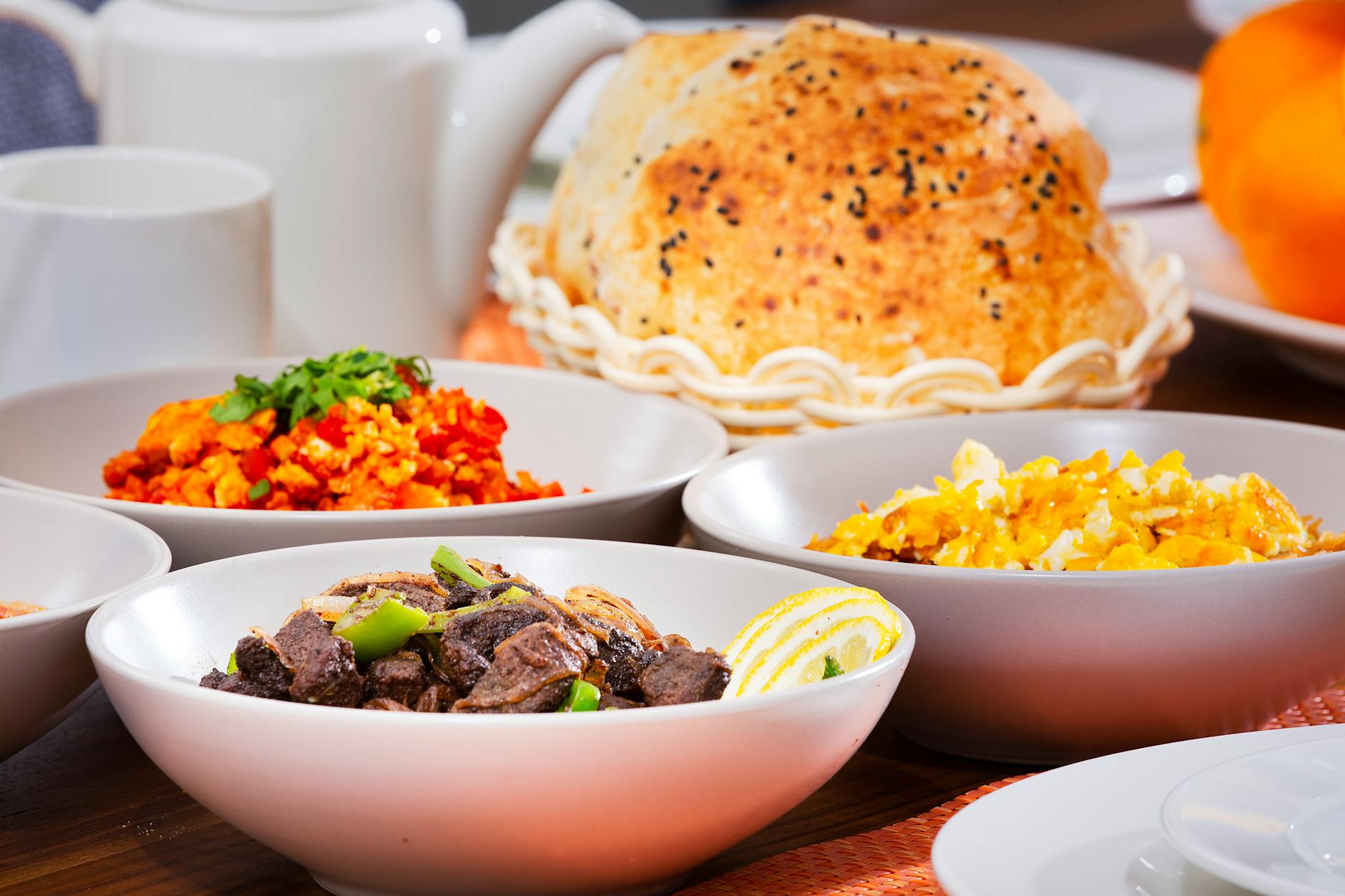
Restaurant prices in ZIP code 10024 have escalated in line with residential real estate costs, creating a significant gap between casual dining ($15-25 per entree) and fine dining ($45-80+ per entree) establishments. A critical limitation of this neighborhood is the scarcity of mid-range restaurants offering genuine value—the market has largely bifurcated into inexpensive casual spots and expensive upscale restaurants, with fewer options in the $30-45 entree range that might appeal to cost-conscious diners. This presents a trap for uninformed consumers: a moderately priced establishment at $35 per entree may not deliver proportionally better quality than a $22 casual restaurant just blocks away.
Fine dining establishments in the neighborhood consistently command prices comparable to Midtown manhattan or the Upper East Side, yet often lack the prestige or innovative cuisine of destination restaurants in lower Manhattan. A four-course tasting menu at an Upper West Side fine dining restaurant typically costs $85-120 per person, comparable to restaurants in the Financial District or East Village, but without the same reputation draw or Instagram profile that drives traffic to more celebrated establishments. Diners should be cautious about assuming price correlates with quality in this neighborhood—brand loyalty and word-of-mouth matter more than ever as a signal of actual value.
Neighborhood Demographics and Restaurant Selection
The Upper West Side’s demographic composition—heavy with families, young professionals, and long-term residents—shapes which restaurants thrive and which struggle. Establishments with high chairs, changing tables, and tolerant attitudes toward children’s noise levels consistently perform well, while late-night, alcohol-focused venues struggle to maintain profitability compared to similar concepts in the East Village or Williamsburg. This demographic reality creates an opportunity for family-friendly restaurants but presents a challenge for chefs seeking to push culinary boundaries or attract the nightlife crowd that sustains restaurants in younger neighborhoods.
Wealth distribution in the neighborhood is visible in restaurant choices: residents west of Amsterdam Avenue (closer to the Hudson River and larger apartments) tend to patronize more expensive establishments, while residents east of columbus Avenue often frequent more casual spots. This geographic split within the zip code itself means recommendations from a restaurant three avenues away may not apply to your immediate neighborhood—the West 81st Street restaurants frequented by Upper West Side elites differ substantially from the West 90th Street spots accessed by residents in the core of the neighborhood. Investors or frequent diners should understand this micro-segmentation rather than assuming the neighborhood forms a single market.
How to Identify Reliable Restaurants in a Crowded Market
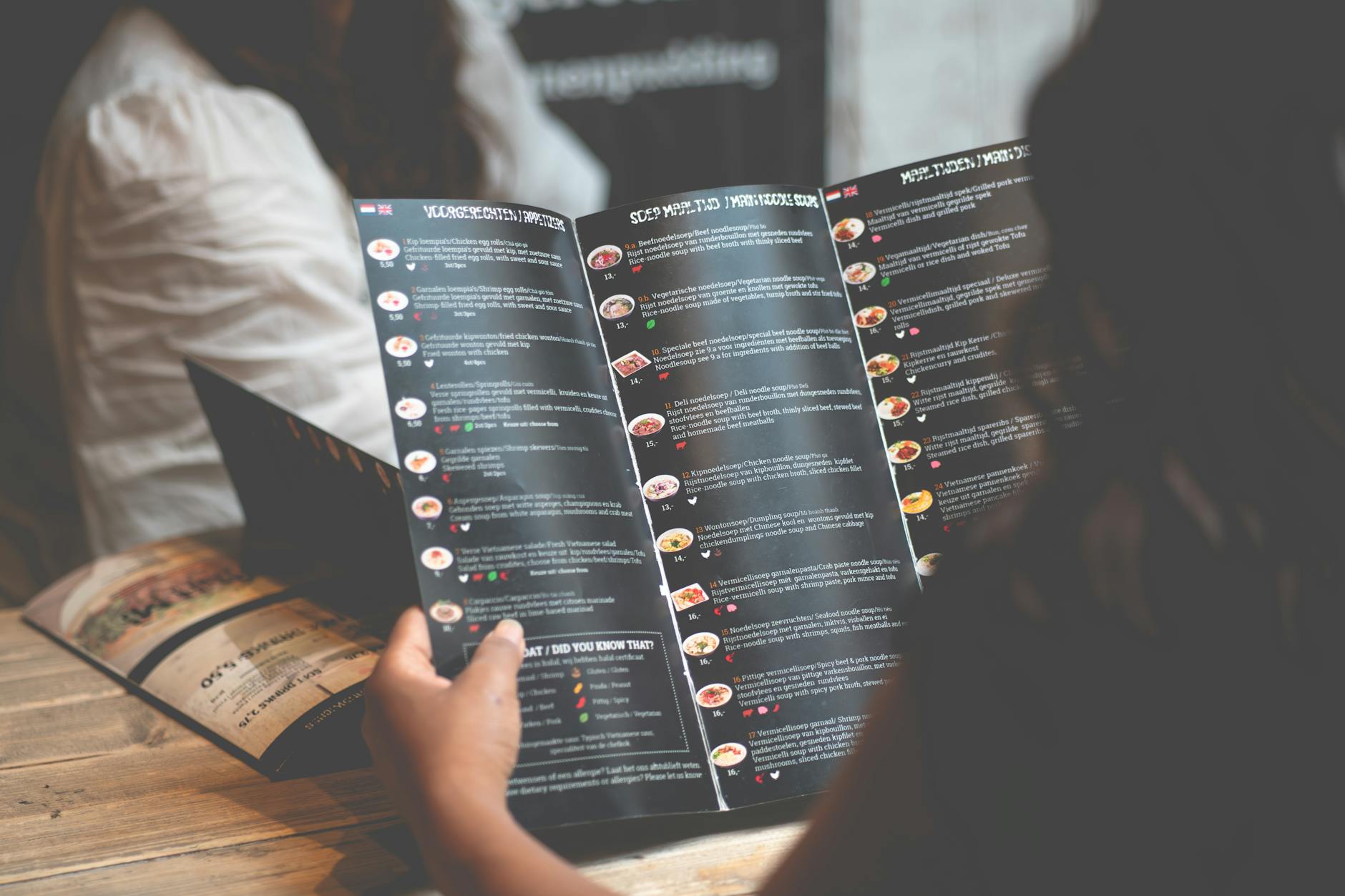
The challenge of identifying reliable restaurants in 10024 lies in distinguishing between establishments that have built genuine customer bases and those relying on location or moment-in-time trendiness. Longevity serves as a useful signal—restaurants that have operated in the same location for five or more years without major ownership changes typically indicate a stable customer base and operational competence, though this should not be mistaken for excellence. Comparing online reviews across multiple platforms (Google Maps, Yelp, The Michelin Guide) reveals inconsistencies that illuminate reviewer bias; a restaurant rated 4.8 stars on Google but 3.6 on Yelp likely appeals to specific demographics rather than delivering universal quality.
Direct observation provides perhaps the most reliable assessment: visiting a restaurant on a regular weeknight rather than weekend, observing whether servers know regular customers by name, and checking whether the restaurant maintains consistent quality across menu items all signal operational health. Beware of restaurants that launched with media coverage or celebrity involvement but show signs of underperforming during off-peak hours—these often depend on external promotion rather than sustainable service models. A five-year-old neighborhood Italian restaurant with a half-full dining room on a Wednesday night may actually offer better value and consistent quality than a trendy new concept with weekend lines.
Common Pitfalls in Upper West Side Restaurant Selection
A significant warning for diners: the Upper West Side’s reputation as a “safe” dining neighborhood with “reliable” options has created complacency among some restaurant operators who underinvest in service training or ingredient quality. This complacency translates directly into mediocre dining experiences despite moderately high prices—you may pay $28 for a pasta entree that delivers less culinary sophistication than a $18 option in a more competitive neighborhood. The neighborhood’s demographic skew toward older, long-term residents can create a false sense that establishments need not evolve or improve, particularly when they benefit from foot traffic of tourists unfamiliar with better options in the city.
Another limitation specific to the neighborhood involves supply chain challenges. The Upper West Side’s physical position in Manhattan, combined with aging commercial infrastructure in some areas, creates complications for restaurants sourcing fresh ingredients, particularly for Asian restaurants that depend on specific produce or specialty items. Restaurants unable to access reliable suppliers or maintain proper storage may struggle with inconsistent quality more visibly than peers in areas like the East Village or Sunset Park, Brooklyn, where these logistical networks function more smoothly. This structural limitation means dining consistency can suffer despite a chef’s intentions.
Emerging Concepts and Shifting Restaurant Trends
The past three years have seen an influx of newer restaurant concepts targeting the Upper West Side’s younger demographic while respecting the neighborhood’s more conservative sensibilities. Health-conscious fast-casual concepts, farm-to-table restaurants emphasizing seasonal ingredients, and restaurants focused on specific cuisines (Vietnamese, Korean, Lebanese) have gained footholds as young professionals and families seek alternatives to traditional Italian and French establishments. These emerging concepts signal a gradual market shift toward greater diversity, though the neighborhood still lags neighborhoods like Astoria, Queens, in breadth of authentic ethnic cuisines at accessible prices.
Natural wine bars represent a particularly notable trend, as younger residents seek wine-focused establishments without the formality of traditional fine dining. Several of these venues occupy former spots of legacy restaurants, recycling kitchen infrastructure while completely reimagining the dining concept and ambiance. This generational transition—where old wine gets poured into new bottles—defines the neighborhood’s current restaurant evolution more than purely new concepts.
The Future of 10024’s Restaurant Scene
The Upper West Side’s restaurant market faces pressure from multiple directions: rising commercial rents making smaller, independent concepts economically unviable; demographic shifts as younger professionals increasingly choose neighborhoods with more robust nightlife and entertainment; and competition from delivery-focused ghost kitchens operating at lower overhead. Established restaurants that adapted to pandemic-era delivery models by maintaining quality standards may have secured long-term advantages, while others that prioritized volume over experience may find themselves vulnerable as dine-in traffic normalizes.
Looking forward, restaurants that succeed in 10024 will likely be those offering either clear value propositions (consistency, fair pricing, efficient service) or distinctive concepts that leverage the neighborhood’s demographic strengths (family-friendly excellence, neighborhood gathering spaces). The winner-take-most dynamics visible in other neighborhoods suggest that smaller restaurants without significant capital backing or special ownership circumstances face structural headwinds, meaning diners may see continued consolidation around established brands or well-capitalized new concepts.
Conclusion
The best restaurants in ZIP code 10024 share common characteristics: they operate with sustainable business models that don’t depend on constant turnover to cover overhead, they maintain consistent quality standards that reward regular customers rather than first-time visitors, and they understand that the Upper West Side market rewards reliability and neighborhood integration over flashiness or viral marketing. The neighborhood’s demographic composition and commercial real estate economics create distinct opportunities and constraints that manifest directly in the dining experiences available.
For diners seeking recommendations, the most reliable approach involves prioritizing longevity, observing operational details (staff familiarity with customers, ingredient quality, service consistency), and recognizing that the highest prices do not correlate with the best value in this particular neighborhood. The Upper West Side’s restaurant market remains viable and diverse, but it demands more informed decision-making than neighborhoods with higher restaurant density or more consistent quality signaling.