
Wall Street’s food scene has transformed dramatically over the past decade, offering financial professionals far more than the typical lunch-counter options of previous eras. The area around the New York Stock Exchange and Federal Hall now hosts everything from Michelin-starred restaurants to casual bistros, most within a five-minute walk. If you work in the financial district, you’ll find quality dining at multiple price points—whether you’re grabbing a quick sandwich between market opens or hosting a client dinner.
The geography of Wall Street food is concentrated around a few key blocks. The Financial District’s core includes areas bounded by Broadway to the west, Stone Street to the east, and spans north to Cedar Street and south toward Battery Park. This compressed geography means your options are genuinely walkable, a crucial factor when you have limited time between the opening bell and your next meeting.
Table of Contents
- Where Are the Top-Tier Restaurants Around Wall Street?
- Casual and Quick Options—The Real Workhorse Restaurants
- The Stone Street Renaissance and Outdoor Dining Culture
- Budget-Conscious vs. Expense-Account Dining—The Tradeoff
- Hidden Downsides of Financial District Dining
- Emerging Food Halls and Modern Options
- The Future of Financial District Dining and Work-From-Home Effects
- Conclusion
Where Are the Top-Tier Restaurants Around Wall Street?
The highest-end dining options cluster near the Stock Exchange itself and extending toward Stone Street, a narrow cobblestone area that functions as Wall Street’s informal dining quarter. Frenchtown Bistro, located steps from the exchange, serves classic French cuisine and draws the after-market crowd. For seafood, Pearl & Anchor offers fresh catches in an upscale casual setting, popular with finance types closing deals over oysters. The Clocktower Group’s various locations nearby provide reliable elevated dining experiences without the pretension.
What distinguishes these establishments from midtown’s fine dining is speed and flexibility. Most Wall Street restaurants understand that a power lunch might need to start at 11:30 a.m. and conclude by 1:00 p.m. They’re accustomed to serving experienced diners who want quality but value efficiency. A comparison: the same seafood risotto you’d wait 90 minutes for at a Michelin restaurant in Tribeca arrives in 45 minutes at Pearl & Anchor because the kitchen understands the financial district’s unique rhythm.

Casual and Quick Options—The Real Workhorse Restaurants
For most trading floor workers and junior analysts, casual restaurants and sandwich shops are the daily reality. Stone Street and the surrounding blocks host dozens of Italian cafes, delis, and pizza spots that move high volumes during lunch hours. The Pickle Barrel handles sandwich demand with customizable options, while Zaro’s Bread Basket—a new York institution with multiple locations in the district—serves thousands of commuters and workers daily. The limitation you’ll encounter with casual dining on Wall Street is consistency under pressure.
During peak hours (12:00-1:30 p.m.), even excellent restaurants struggle with quality control when handling 200 orders per day. You might get a perfect sandwich at 11:45 a.m., but the same order at 1:00 p.m. could disappoint due to ingredient fatigue and kitchen stress. Additionally, seating is premium. Most casual establishments offer limited tables, forcing many professionals to eat at their desks or standing at counters—a significant downside if you’re looking for a genuine break.
The Stone Street Renaissance and Outdoor Dining Culture
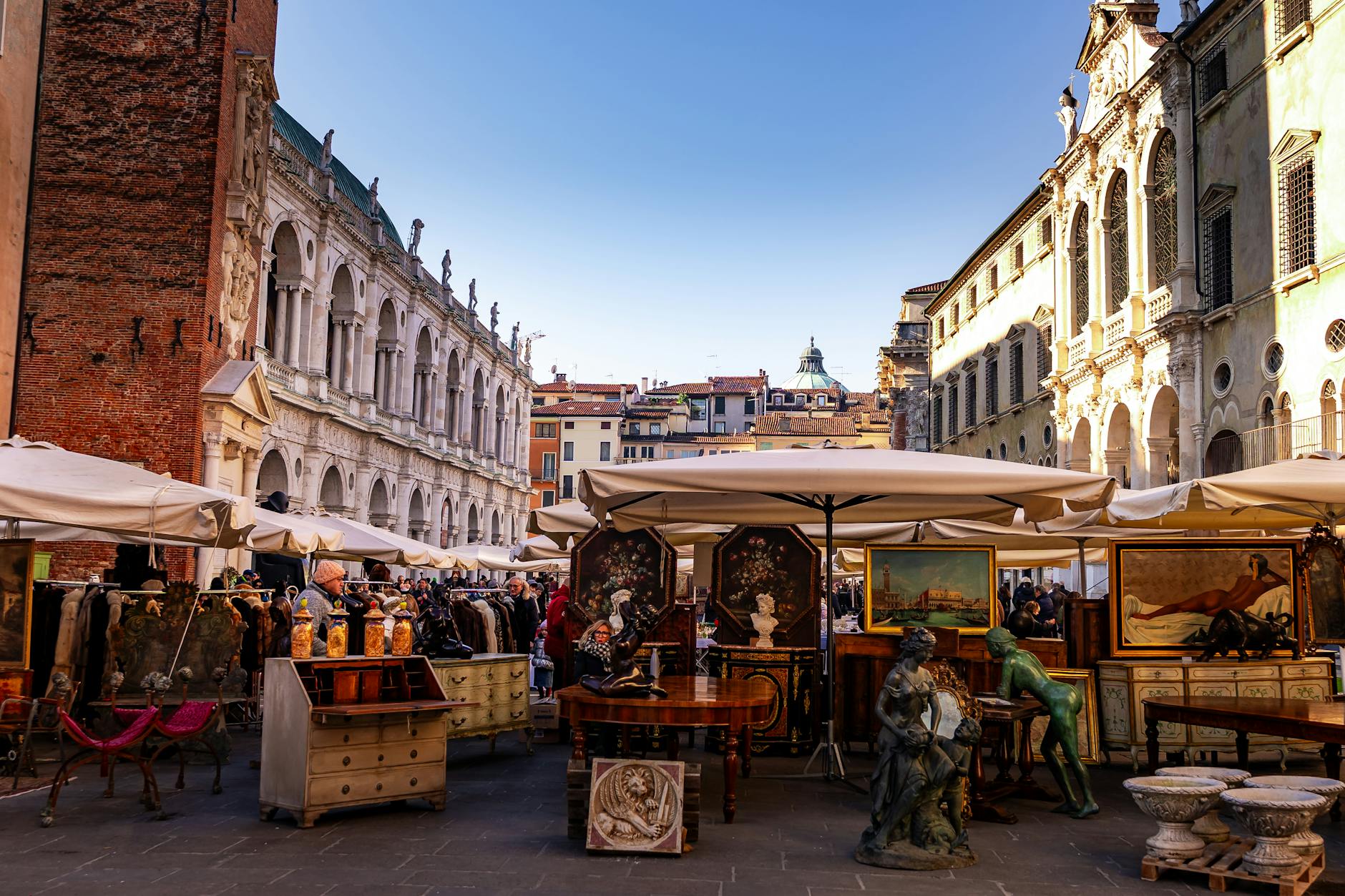
Stone Street has emerged as the social eating hub of the financial district, particularly during warmer months. Multiple restaurants have capitalized on the street’s historic cobblestones and permit outdoor seating, creating a rare outdoor dining scene in lower Manhattan. Adrienne’s Pizza Bar, Keg Room steakhouse, and various wine bars transform the street into something resembling a European plaza during evening hours, especially after market close.
This creates an interesting dynamic for financial professionals: you can decompress outdoors after volatile trading sessions. The psychological benefit is substantial—a thirty-minute walk on Stone Street with colleagues, away from screens and phones, provides genuine mental rest that a desk lunch cannot match. However, weather-dependent availability is a real constraint. In winter months, outdoor seating disappears, and the area feels considerably less appealing, forcing a reversion to indoor options that have significantly less character.
Budget-Conscious vs. Expense-Account Dining—The Tradeoff
The financial district offers a rare genuine split between authentic working meals and client entertainment venues, with transparent pricing differences that make sense. A Sweetgreen salad or sandwich from a deli runs $12-18 and takes five minutes to acquire—appropriate for a solo lunch on a tight schedule. The same professional taking a client to dinner at Frenchtown might spend $75-120 per person, but the context is entirely different: relationship-building rather than fuel.
The tradeoff worth understanding: Wall Street has fewer middle-ground restaurants than other NYC neighborhoods. You’re choosing between grab-and-go efficiency and formal dining; the “nice casual place where I spend 45 minutes and feel relaxed” category is surprisingly sparse. This means junior employees often eat nothing but delis and chains, while senior employees and client-facing roles operate in fine dining, with limited options in between.
Hidden Downsides of Financial District Dining
Price inflation near the exchange is real. A bottle of wine or a simple pasta dish costs 15-25% more in Wall Street restaurants than comparable quality establishments just two blocks away in the South Street Seaport neighborhood. Restaurants near the exchange have accepted this because they know tenants of the surrounding office towers have limited time and high expense budgets—the market works against the price-sensitive individual eating lunch alone. A second limitation is diversity fatigue.
Unlike Midtown’s varied international options or the Lower East Side’s immigrant cuisine, the financial district specializes in established American, Italian, and French categories. If you work in the area long-term, the roster of viable dinner spots doesn’t expand as quickly as it would in other neighborhoods. Additionally, the daytime economy completely reverses at 6 p.m. Many restaurants depend on lunch volume and have minimal dinner service, making evening dining surprisingly limited despite the impressive lunch options.
Emerging Food Halls and Modern Options
The food hall concept has arrived at Wall Street through venues like Gotham West Market and various multi-vendor spaces in nearby buildings. These allow customization and speed while offering ingredient quality that surpasses traditional sandwich chains.
This model suits financial professionals well: you can choose sushi, grain bowls, pasta, or Indian food from different vendors in one location, sit at communal seating, and complete a meal in the time it would take to wait in line at a traditional restaurant. For example, a trader can build a customized sushi bowl with specific protein and vegetable choices at one stall, grab a coffee from another vendor, and be back at their desk in thirty minutes—all while eating substantially better food than the standard chain options.
The Future of Financial District Dining and Work-From-Home Effects
The shift to hybrid work has paradoxically strengthened the mid-range casual dining scene on Wall Street. With fewer people in offices full-time, restaurants that depended on high-volume lunch traffic have consolidated, but those remaining have improved quality to retain the professionals who do commute in-person.
The restaurants that’ve survived have upgraded menus and service, creating a modest uptick in quality among casual establishments. Looking forward, the financial district’s food scene will likely continue splitting between high-end relationship venues and quick-service convenience options, with slower consolidation of the middle ground. The area’s unique constraint—limited time windows and professional context—will always favor restaurants that optimize for efficiency, meaning the dining culture here will continue to differ fundamentally from other NYC neighborhoods.
Conclusion
Wall Street’s food landscape serves its specific population efficiently, offering quality options within the geographic and temporal constraints that financial professionals face. Whether you’re a new analyst needing affordable daily lunch or a senior banker hosting client relationships, the district has reliably evolved to accommodate both needs, though often with limited middle options.
The key to maximizing dining satisfaction on Wall Street is accepting the area’s constraints as features rather than bugs: the concentration of restaurants exists because of high foot traffic and professional purposes, not despite them. Working in or visiting the financial district means choosing between convenient speed and formal dinner, and making that choice intentionally rather than defaulting to whatever’s closest.